Overdoor Painting by Pierre Rousseau (French, 1751–1829)
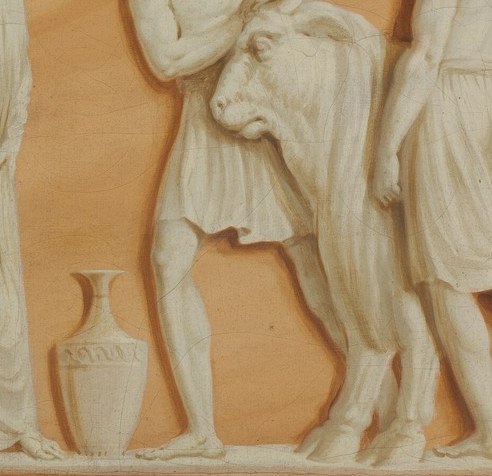
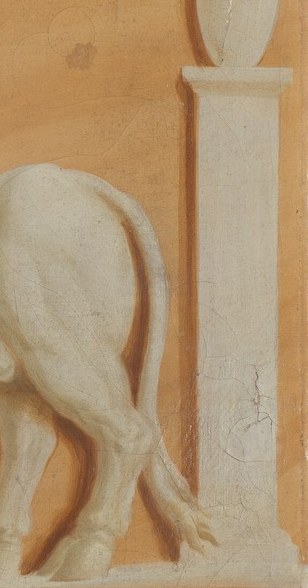
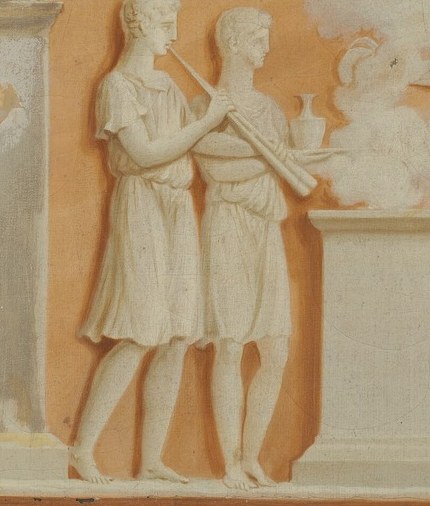
Pierre Rousseau’s Overdoor Painting, created around 1794 and housed at The Cleveland Museum of Art, seems like a tranquil neoclassical scene. But this work, and others like it, sparked an unusual controversy in the Parisian art world.
Rousseau, better known as a successful essayist and scientist, ventured into painting later in his career. His popular decorative panels, often depicting classical or mythological subjects, found favor with patrons looking for elegant home decor.
However, professional painters of the era viewed Rousseau's sudden success as an affront. They saw him as an amateur dabbling in their serious craft, achieving recognition without undergoing traditional artistic training. This tension highlights the fierce competition and rigid hierarchies within 18th-century French art.
What do you think of a polymath succeeding in a field outside their primary expertise?
Details


Transcript
This painting appears calm, a classical scene. A woman points to a smoking pedestal, perhaps an offering. On the right, a man guides a bull for sacrifice. This artist, Pierre Rousseau, specialized in these decorative overdoor panels. He was a well-known popularizer of science, not a painter. His painting career caused a scandal among established artists. They saw his success as an insult to their craft.