The Marchioness of Villafranca Painting her Husband by Francisco Goya
In 1804, Francisco Goya created "The Marchioness of Villafranca Painting her Husband", now at the Museo del Prado in Madrid. This painting is remarkable for its depiction of an aristocratic woman, the Marchioness, not as a passive subject, but as an active artist herself, brushes in hand, focused on painting her spouse.
Observe her hands and the easel. Goya captures the Marchioness with a singular intensity, fully absorbed in her creative endeavor. This portrayal challenges conventional representations of women in art during the early 19th century, highlighting her engagement in a pursuit typically reserved for professional men.
At a time when aristocratic women were usually depicted in formal poses or domestic scenes, Goya chose to show the Marchioness in an intimate, working setting. This subtle yet powerful statement offers a glimpse into evolving social dynamics and personal artistic expression, reflecting Goya's modern sensibilities as an artist.
The painting invites us to consider the hidden lives and talents of women in history. What does this depiction suggest about the Marchioness's own character and passions?
Details
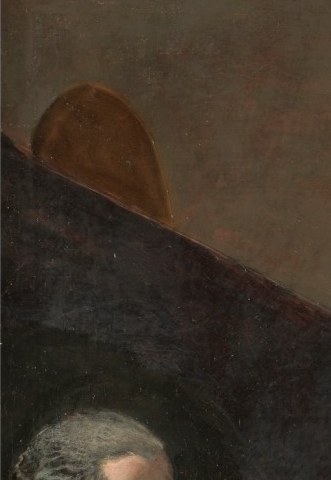
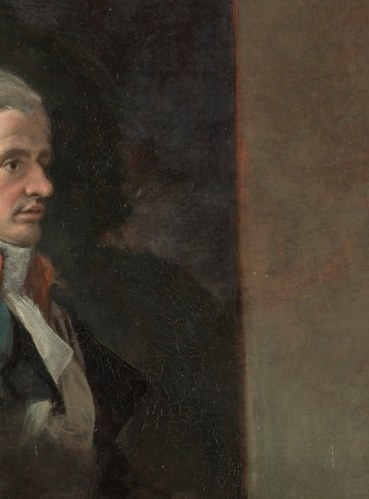
Transcript
In 1804, Goya painted this surprising portrait. This is the Marchioness of Villafranca, a Spanish aristocrat. She is not posing, but actively painting her husband. It was highly unusual for a woman, especially a noble, to be depicted this way. Goya captures her focused intensity, a new vision of femininity. This work celebrates her personal pursuit of art.