Portrait of a Nobleman by French 16th Century
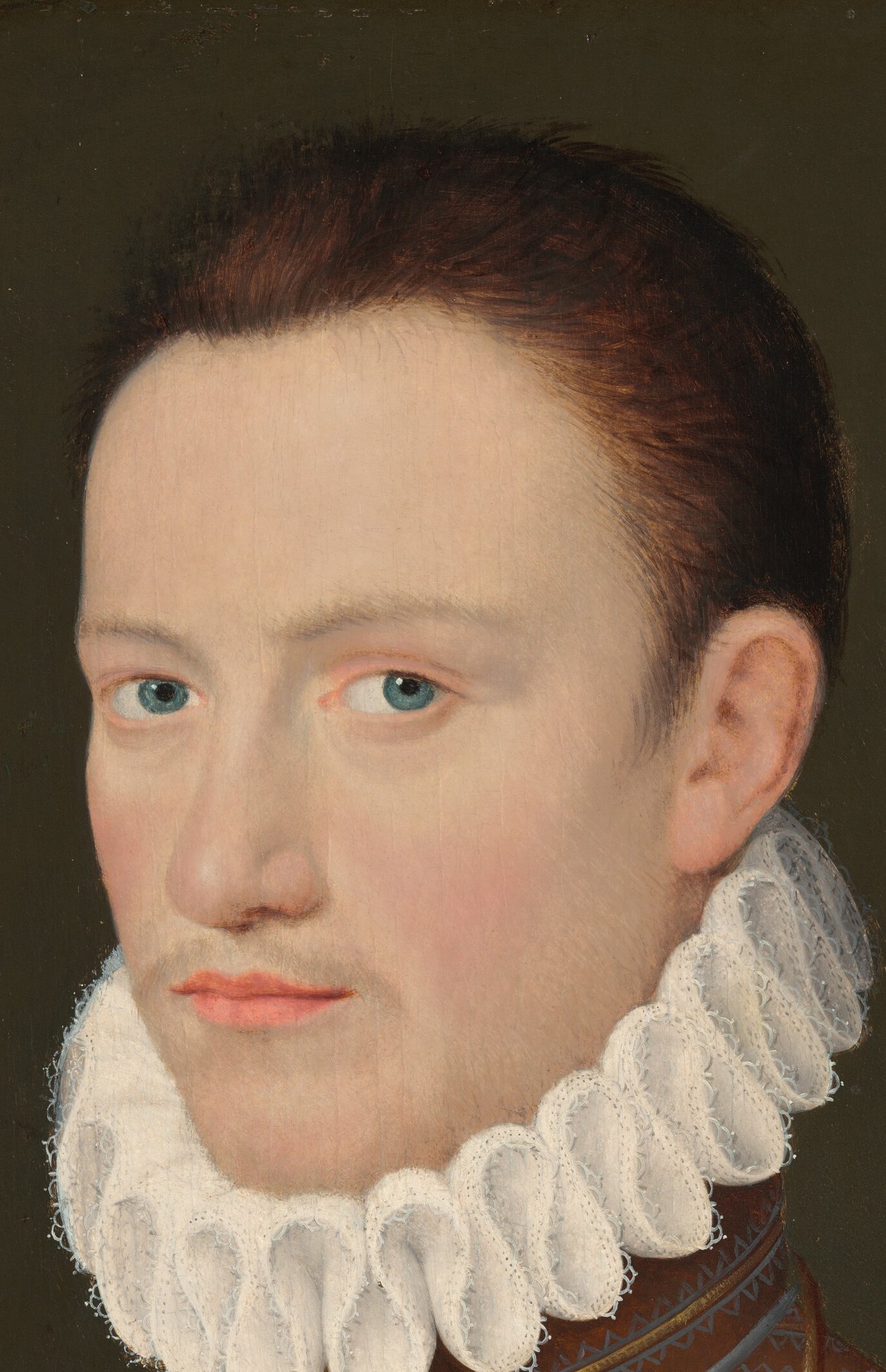
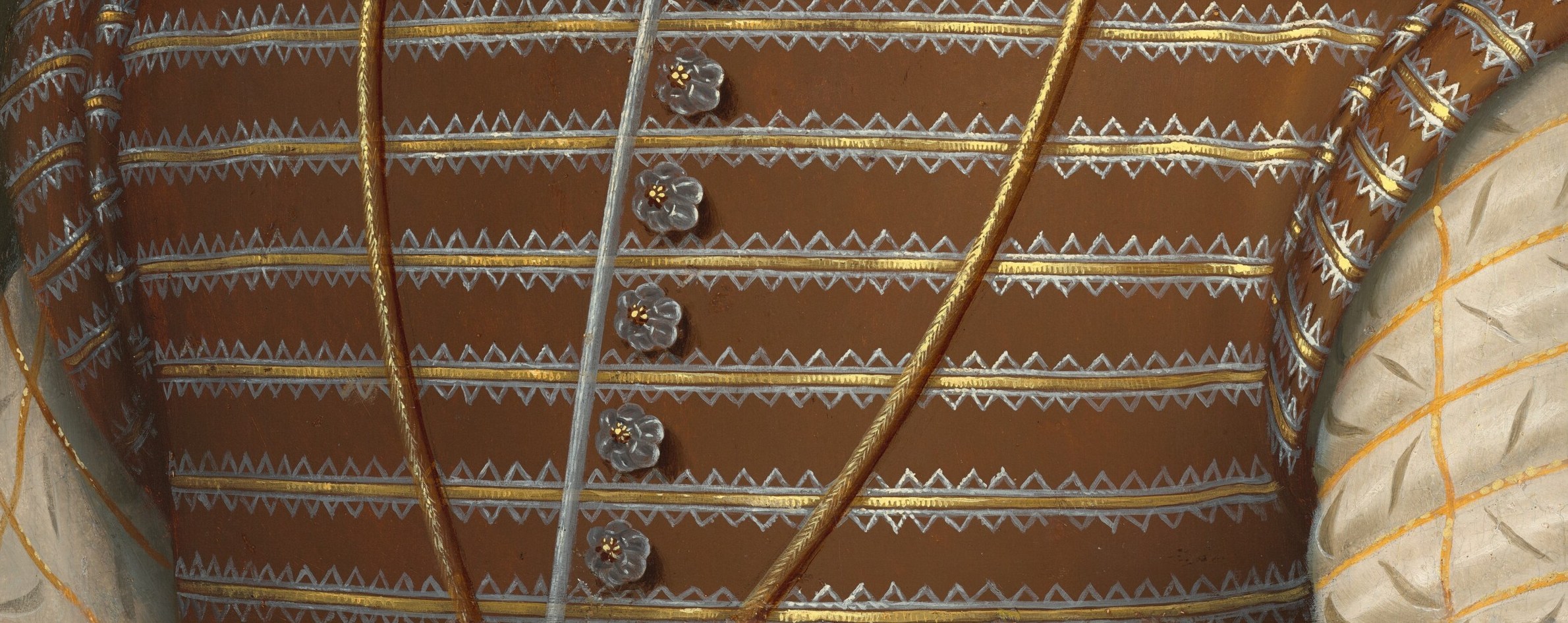
The "Portrait of a Nobleman," painted around 1570 by an unknown French artist, is a testament to the incredible skill of 16th-century portraiture, now housed in an undisclosed collection. The painting, on a fir or pine panel, showcases a seated male figure whose attire immediately signals his high social standing.
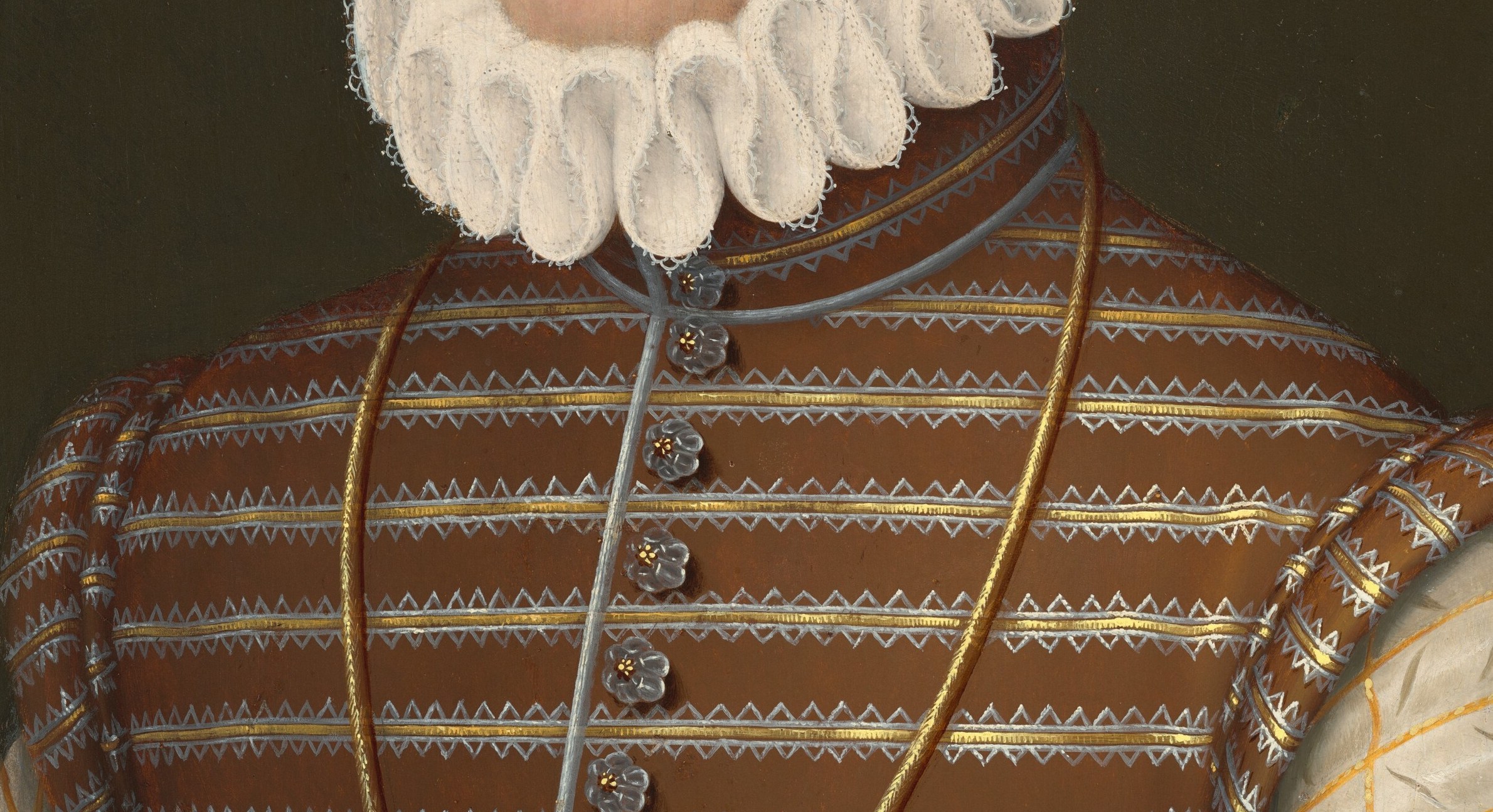
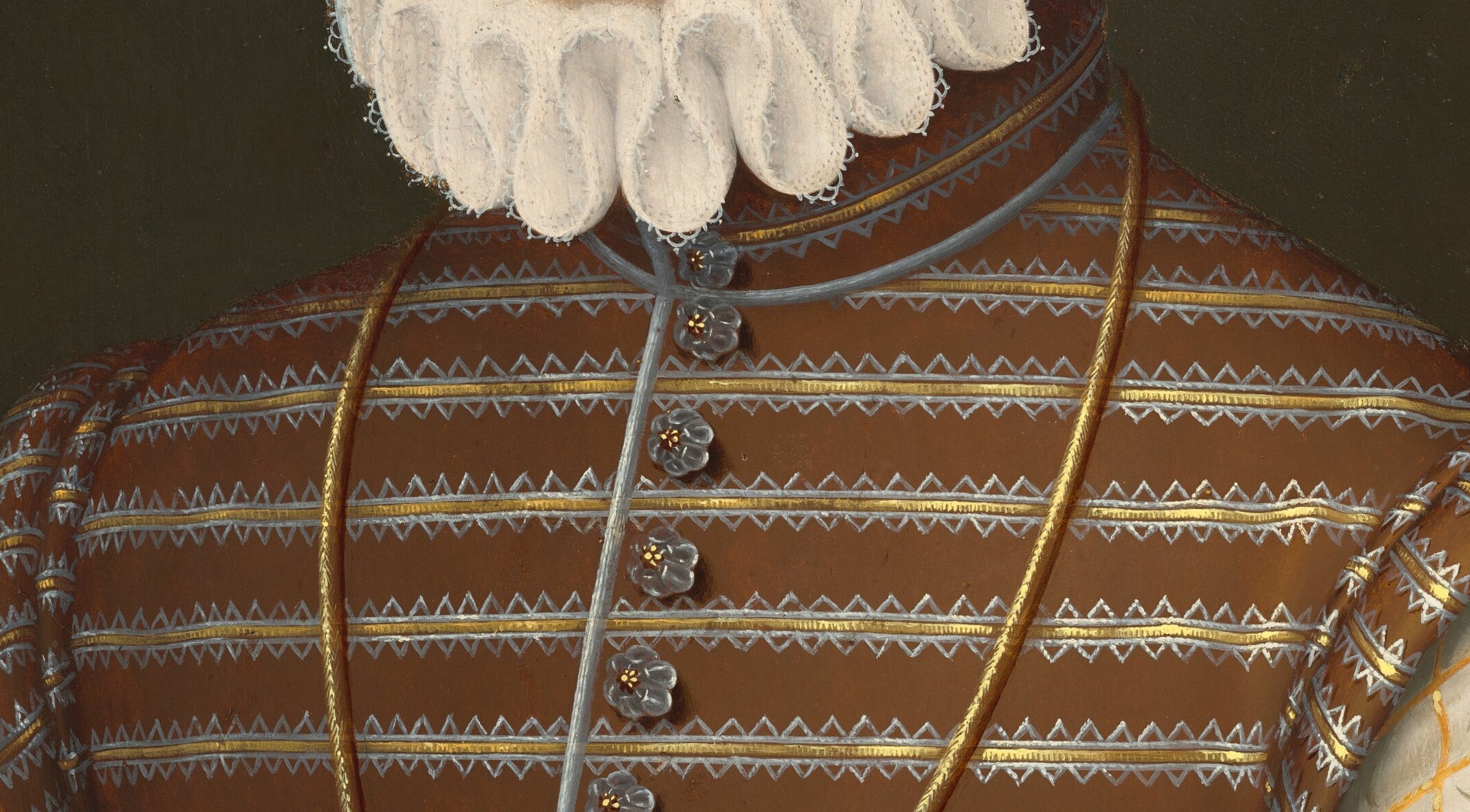
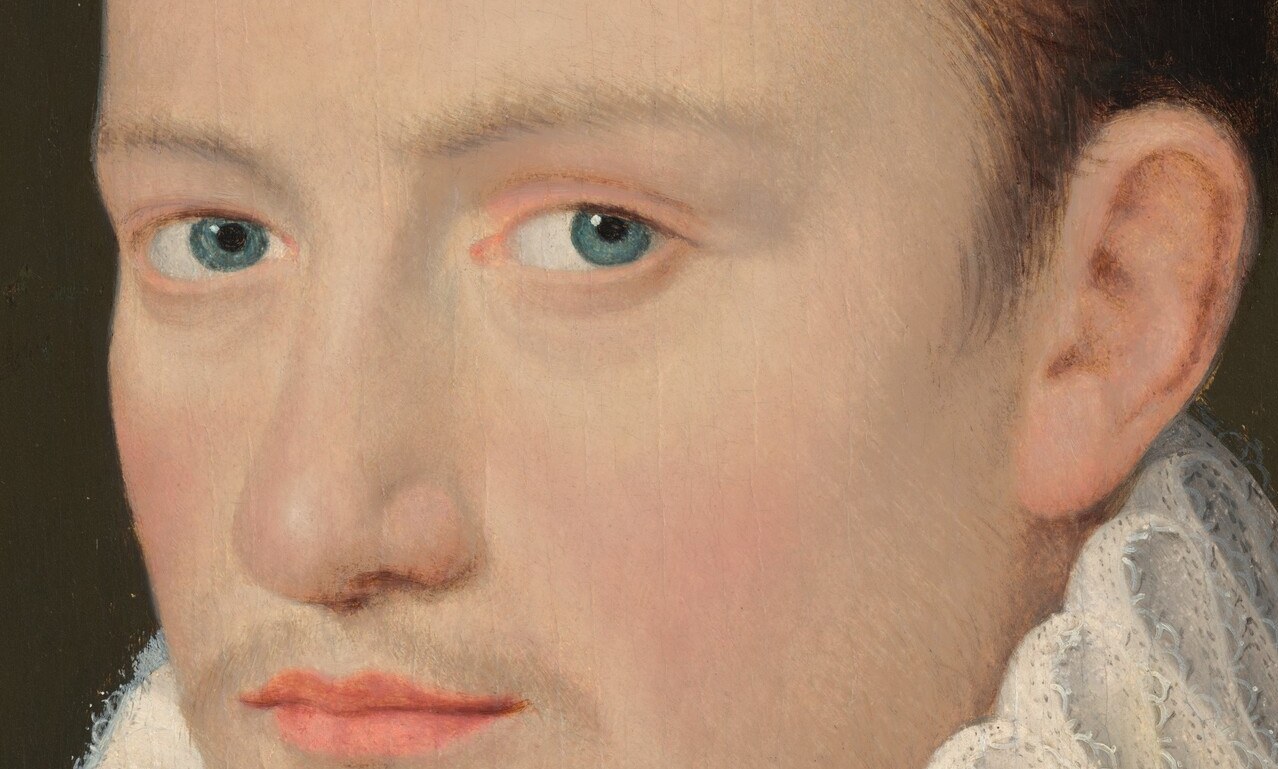
The most striking visual element is arguably the elaborate ruff collar. Take a close look at the individual pleats and the way the artist has meticulously rendered each fold. The clever use of chiaroscuro, or strong contrasts between light and shadow, creates an astonishing illusion of three-dimensional depth and volume, making the stiff linen feel almost tangible.
Such detailed rendering of luxury clothing was not merely aesthetic; it was a common practice in this era to communicate wealth and status. This portrait exemplifies how art served as a visual declaration of an individual's place within society. The painter's technique elevates a simple garment into a display of virtuosity.
How do you think this level of detail was achieved with such early painting methods?
Details
Transcript
This painter was a master of light. Look at the elaborate collar around this nobleman's neck. Every fold of starched linen is painted individually. See how shadows create the illusion of depth and volume. This meticulous detail proves the painter's skill with texture. It's all paint, yet it feels like real fabric.