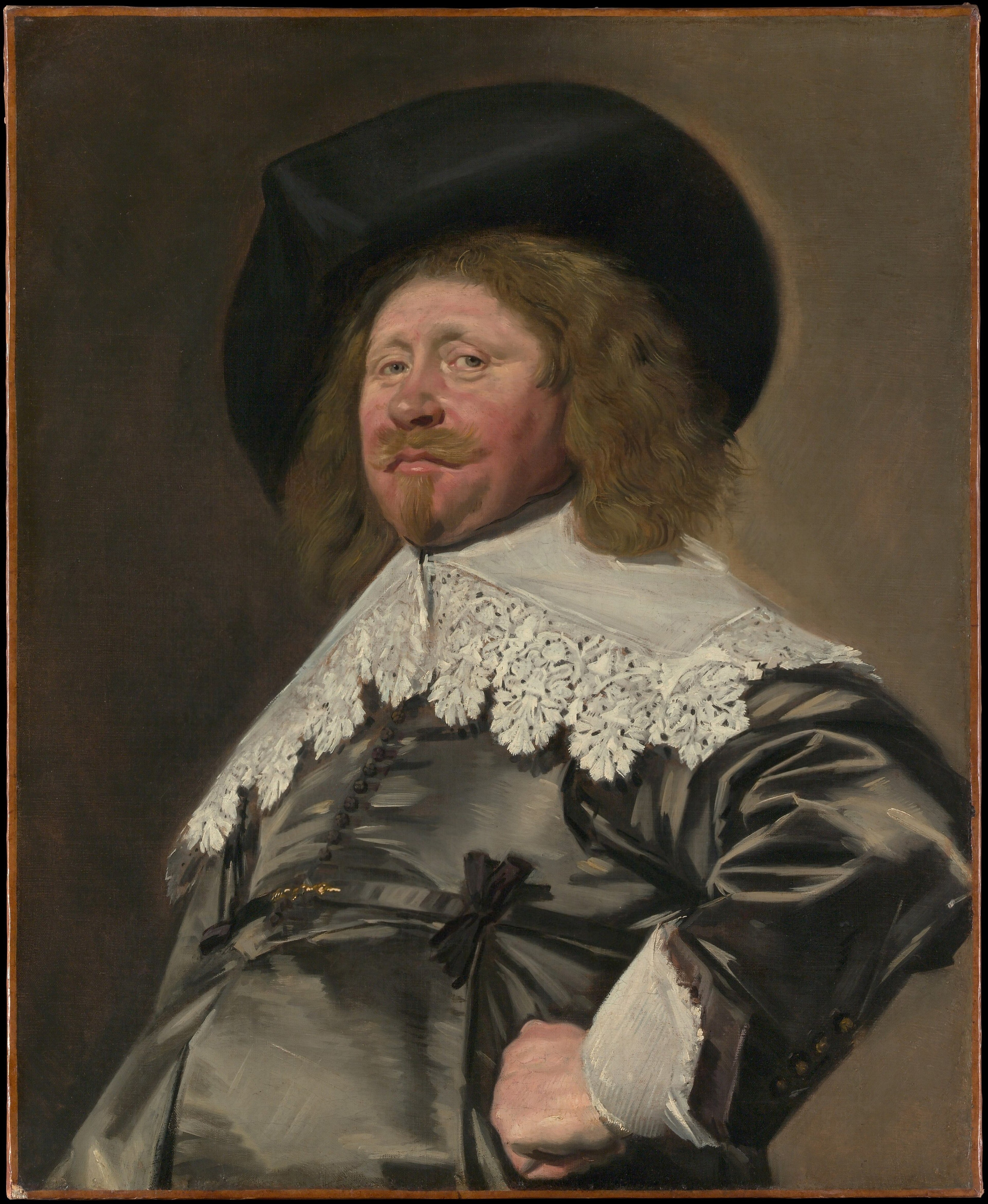
Portrait of Claes Duyst van Voorhout by Frans Hals
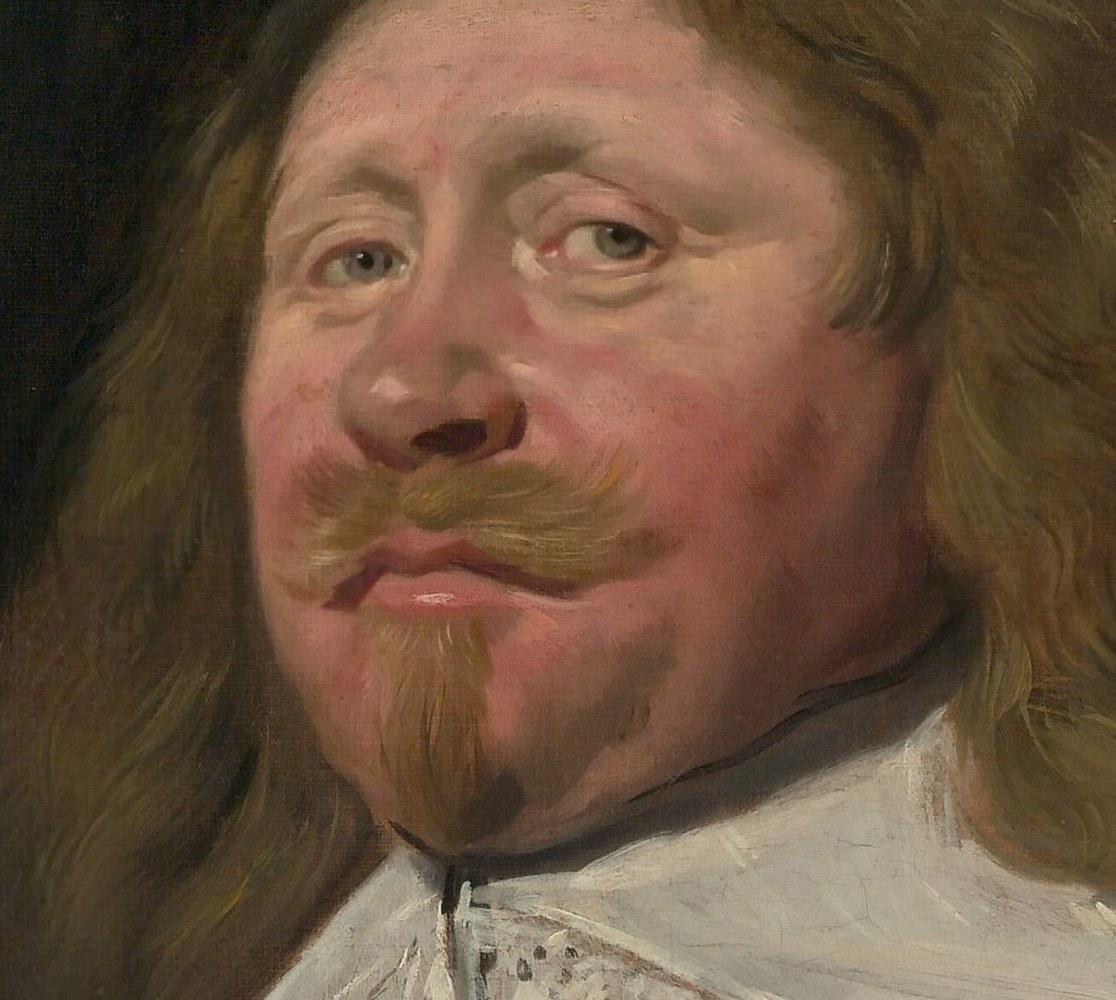
Frans Hals's "Portrait of Claes Duyst van Voorhout," painted in 1638, showcases the artist's remarkable ability to create lifelike presence through seemingly loose brushwork, a technique that set him apart during the Dutch Golden Age. This captivating painting is held at the Metropolitan Museum of Art in New York City.
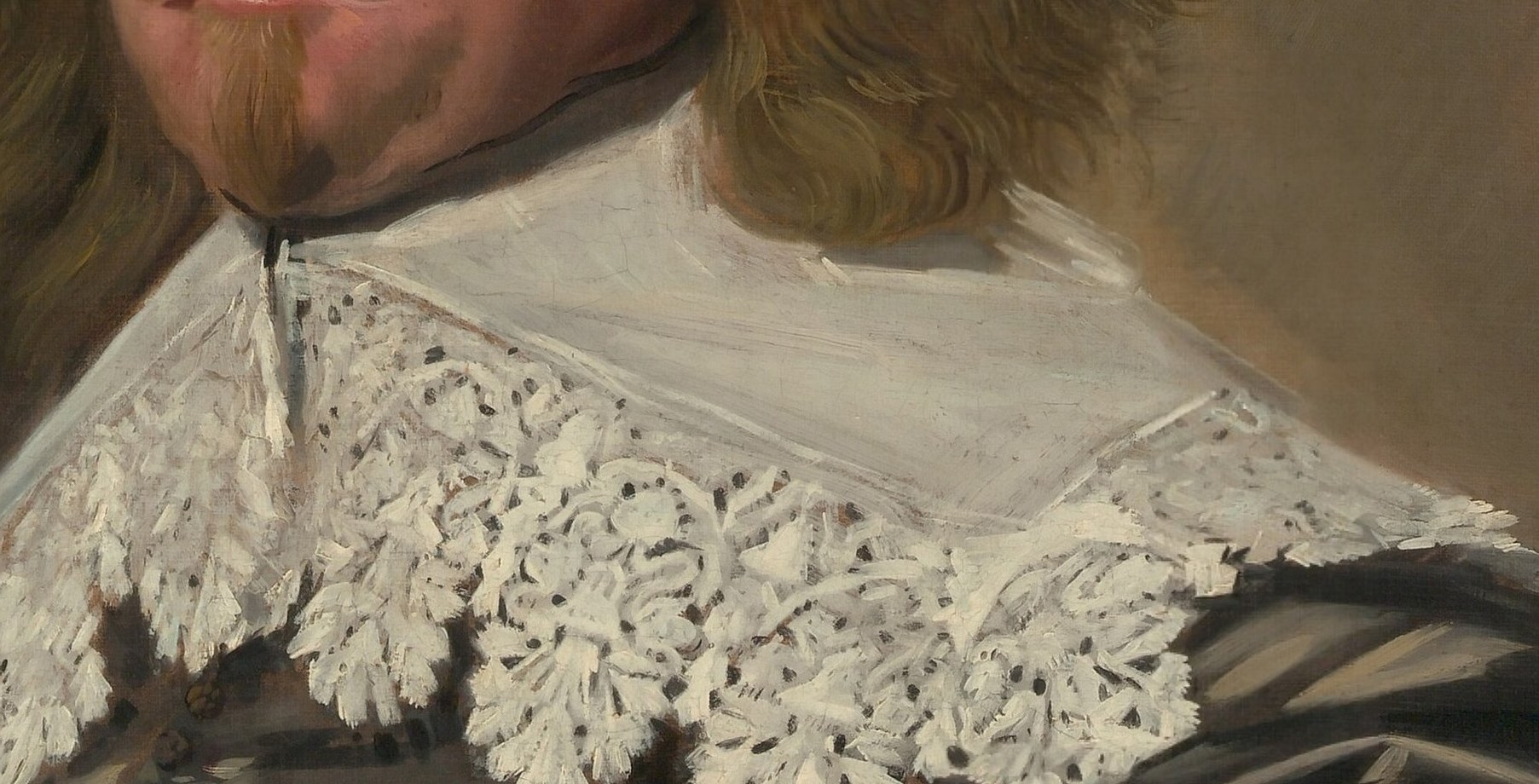
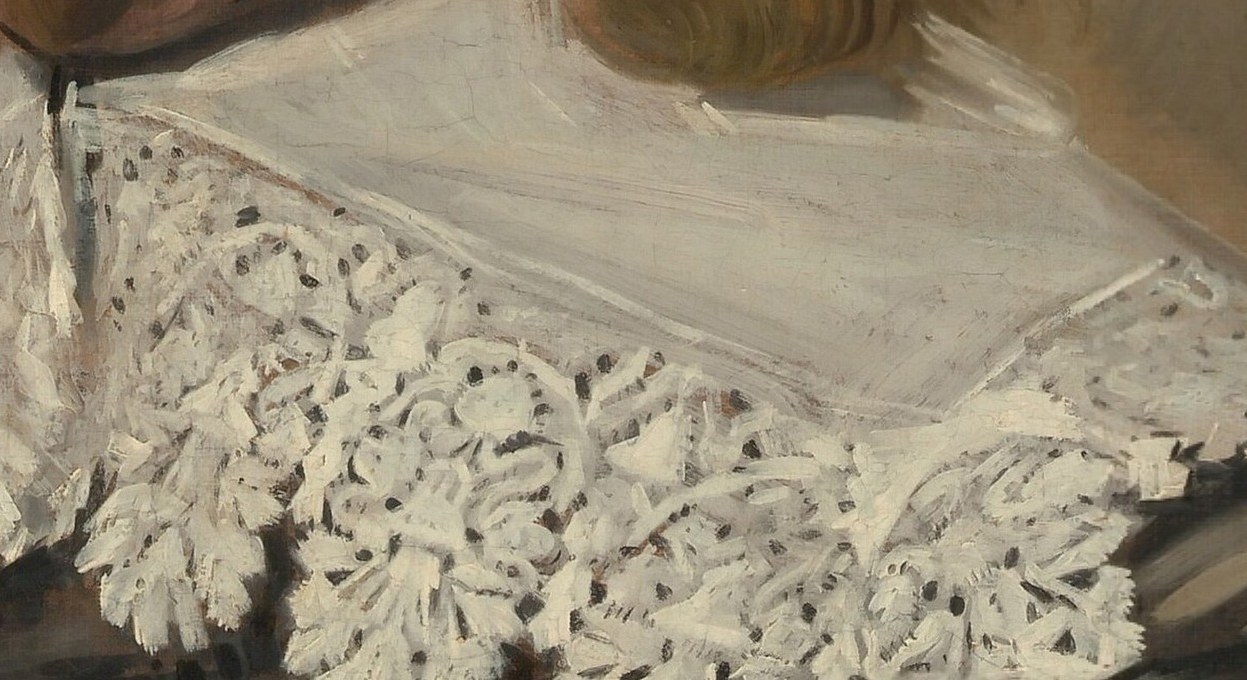
While the merchant's direct gaze and prominent mustache draw the eye, it's worth examining the intricate lace collar. At first glance, it appears highly detailed, a testament to the sitter's social standing. However, upon closer inspection, the lace is not rendered with meticulous precision but rather with a series of quick, confident brushstrokes.
Hals masterfully used this technique to suggest texture and volume, creating the illusion of delicate lace without painstakingly painting every thread. This approach gives the fabric a lively quality and demonstrates why Hals was so highly sought after by wealthy burghers for his individual and group portraits. He captured not just a likeness, but also a sense of vitality.
It's a wonderful example of how artists can achieve incredible realism through unexpected methods. What other details do you notice in his work?
Details
Transcript
This is Claes Duyst van Voorhout, a Dutch merchant. Painted by Frans Hals in 1638, he looks directly at us. His lace collar is a symbol of status in the Golden Age. But look closely at how the painter rendered the lace. It's not perfectly defined, but a flurry of brushstrokes. Hals captured the illusion of lace with just a few strokes.