A Pass in the Apennines by Jan Both
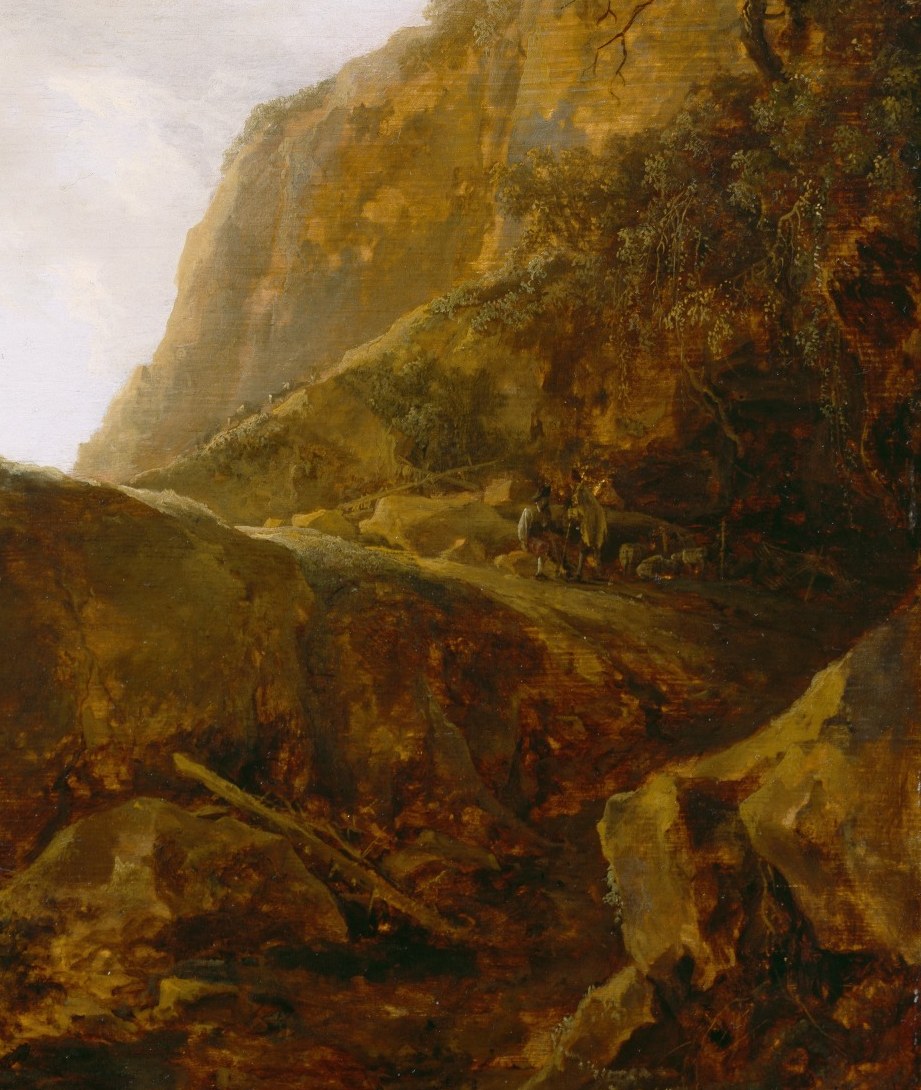
Jan Both’s “A Pass in the Apennines,” painted in 1639, captures a tranquil mountain landscape that reflects the artist’s deep connection to Italy. Held at the Detroit Institute of Arts, this oil painting is a testament to the beauty Both found in his travels.
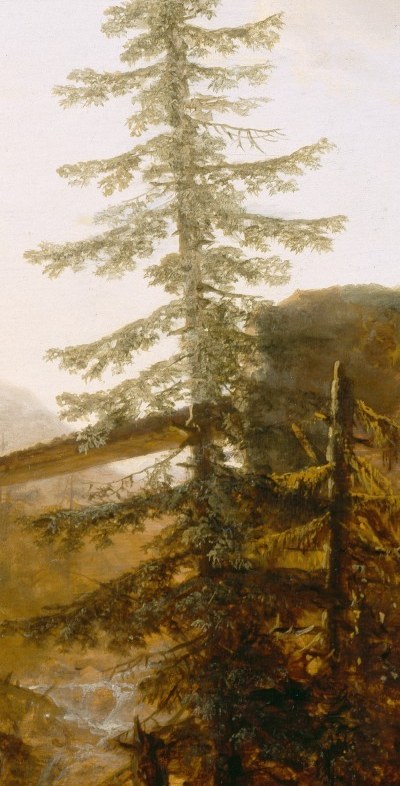
Notice the two small figures on the narrow wooden bridge; they provide a sense of human journey amidst the vast, rugged terrain. The gentle, golden light that bathes the scene, especially the towering cliffs and distant mountains, creates a mood of calm contemplation.
Both, a Dutch painter, developed his signature Italianate landscape style after spending time in Italy. He was known for his mastery of atmospheric perspective and his ability to render light with such warmth and softness, making the dramatic Apennine range feel serene.
The painting invites us to pause, like the travelers on the bridge, and appreciate the quiet majesty of nature. What emotions does this journey evoke in you?
Details
Transcript
In 1639, this Dutch painter captured the light of Italy. He walked these Apennine passes, sketching their dramatic views. Here, two travelers cross a bridge, heading into the golden light. It shows a moment of quiet awe, surrounded by towering nature. His use of light creates a feeling of calm contemplation. Every detail reflects the serenity he found in the Italian countryside.