Still Life with Fruit and Carafe by Pensionante del Saraceni
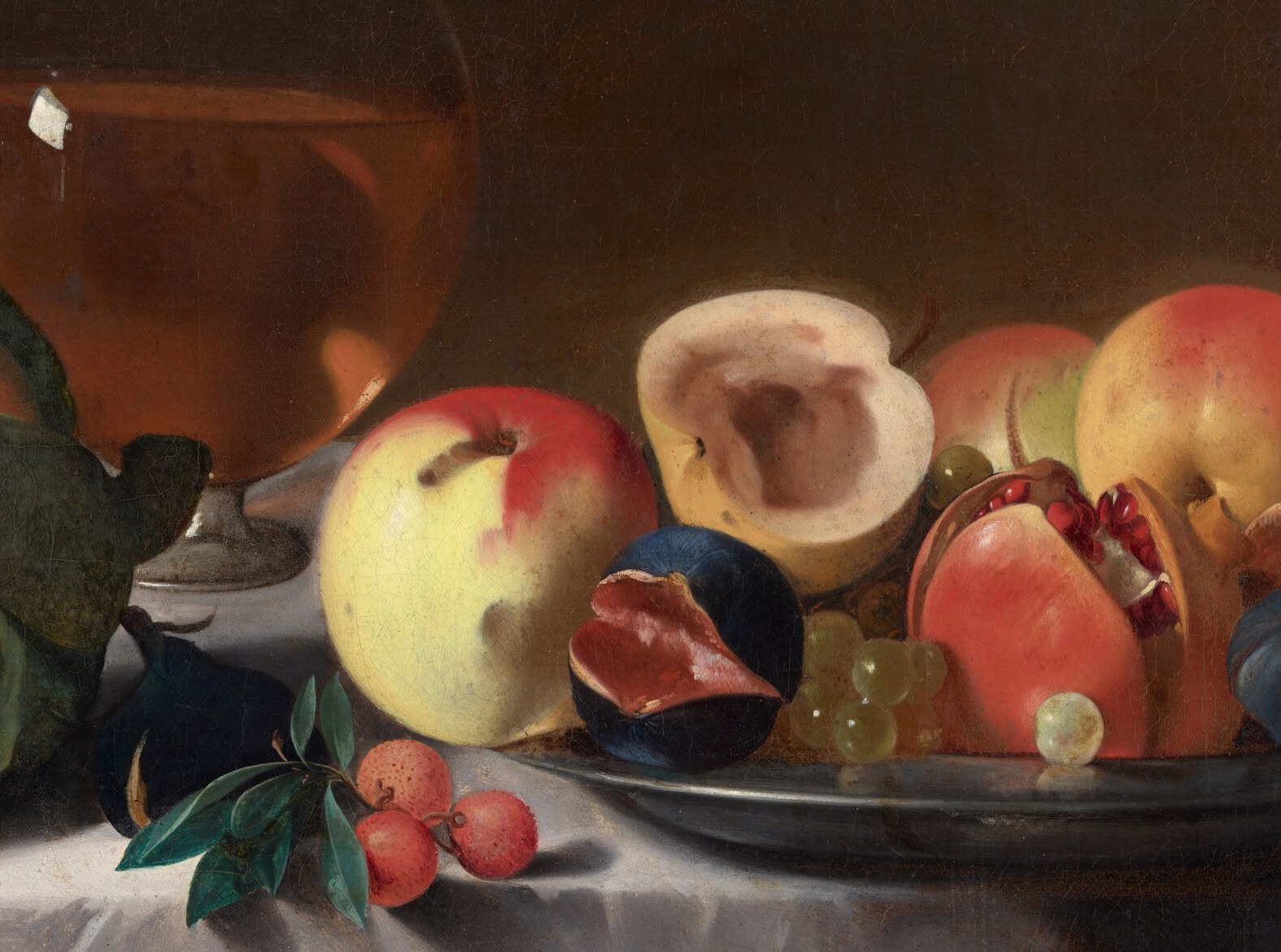
Still Life with Fruit and Carafe by Pensionante del Saraceni, painted around 1610-1620 and housed in a private collection, is more than just a beautiful arrangement of fruit. It's a subtle form of communication, typical of 17th-century still life in Rome.
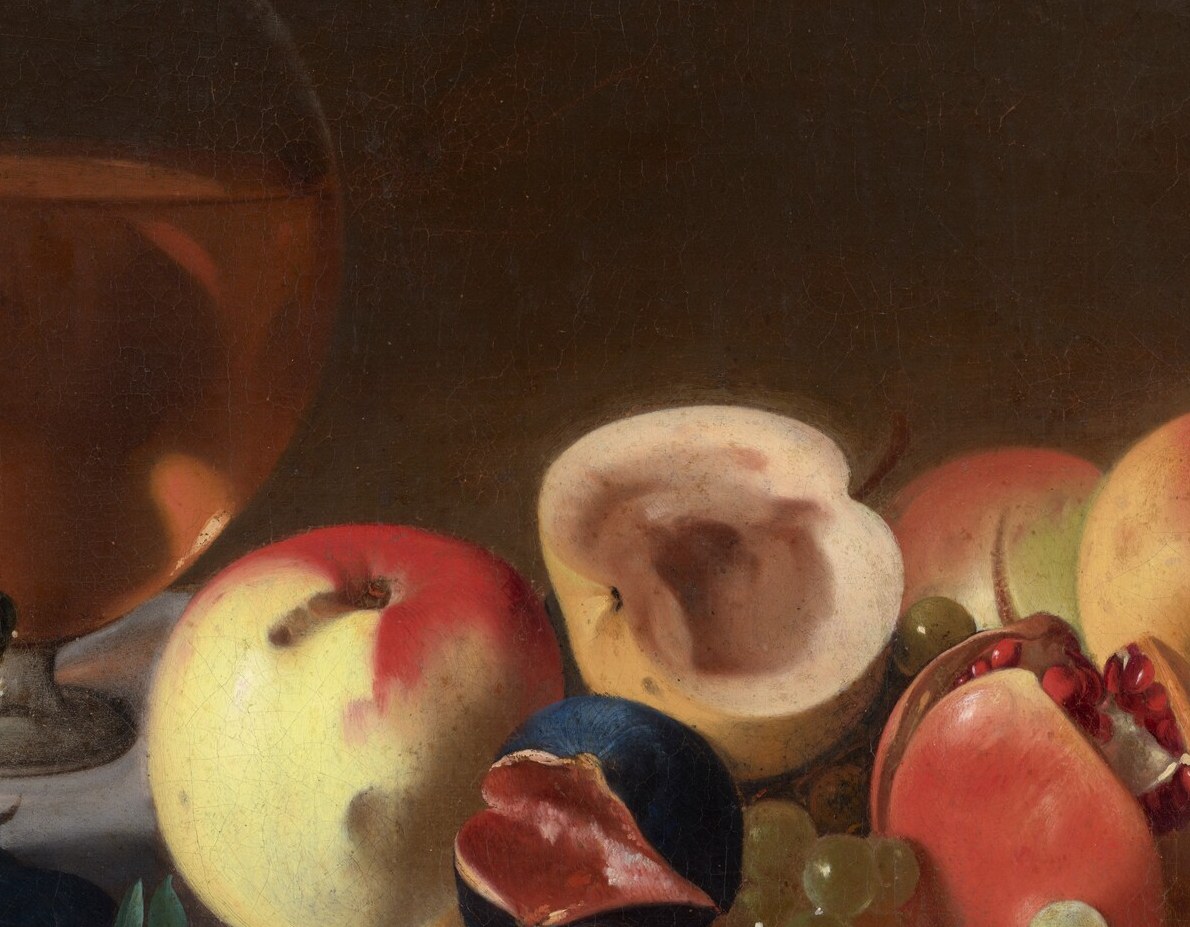
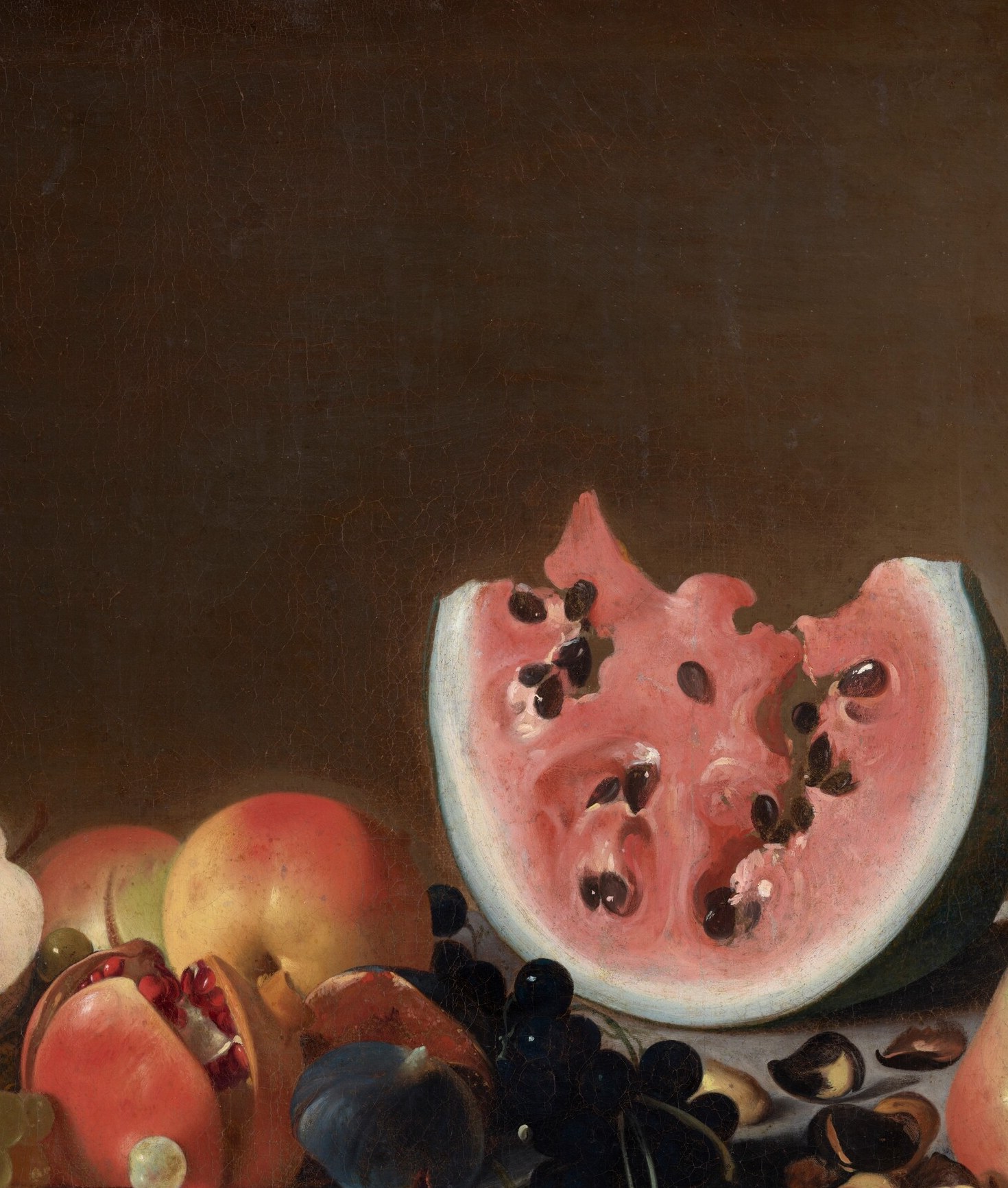
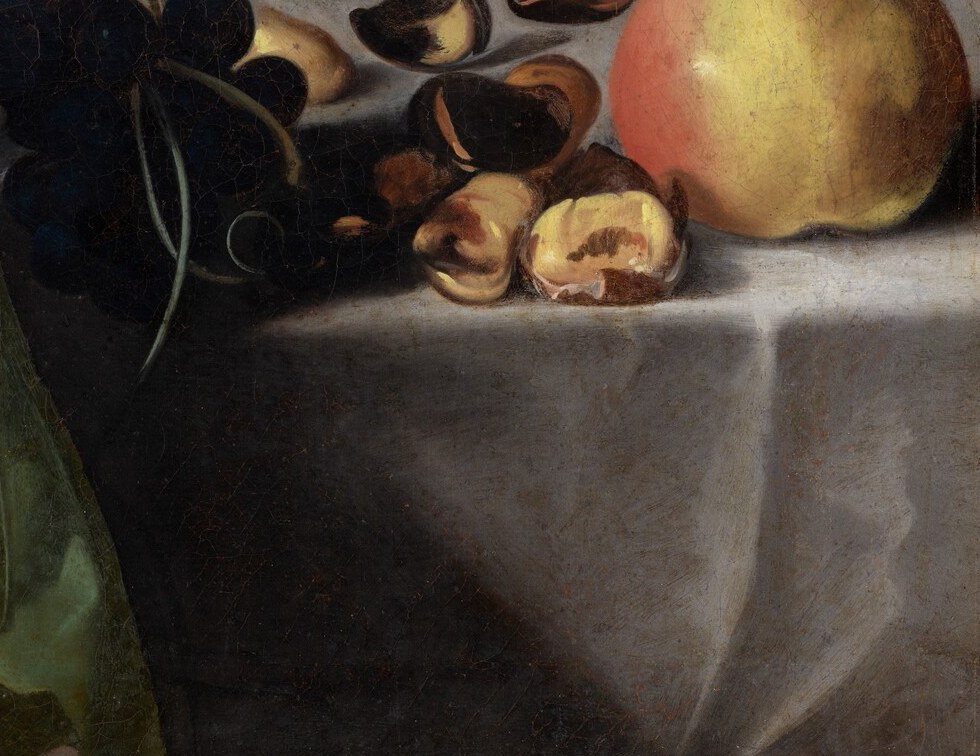
The painting uses common fruits to convey deeper meanings. The ripe, almost overripe figs, along with the exposed seeds of the cut watermelon, speak to life's abundance and the transient nature of pleasure. Even the sturdy walnuts, often symbolizing longevity, contribute to this meditation on the passage of time.
This careful selection and arrangement of objects transform the still life into a memento mori, a reminder that life is fleeting. The artist, known only as Pensionante del Saraceni, masterfully employed these visual codes to invite contemplation on mortality, a common theme in art of the period.
What other hidden messages do you think might be found in historical still life paintings?
Details

Transcript
This isn't just a still life, it's a coded message. In 17th-century Rome, every fruit had a meaning. These figs are ripe, almost overripe, symbolizing fleeting pleasure. The cut watermelon, its seeds exposed, points to abundance and fertility. Yet even the hard walnuts here, a sign of longevity, hint at time passing. Together, these objects form a memento mori, a reminder of life's brevity.