Autumn Scene in the Adirondacks by William Hart
William Hart's *Autumn Scene in the Adirondacks*, painted in 1877, is a beautiful example of the Hudson River School, a movement deeply rooted in natural scenery. What makes this piece particularly interesting is its connection to a family of artists.
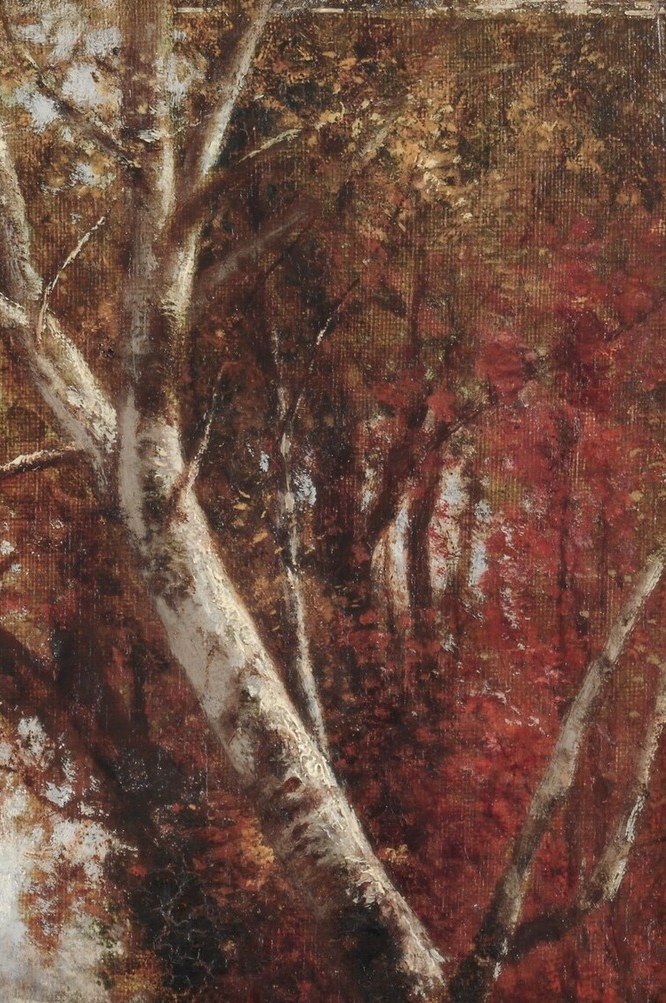
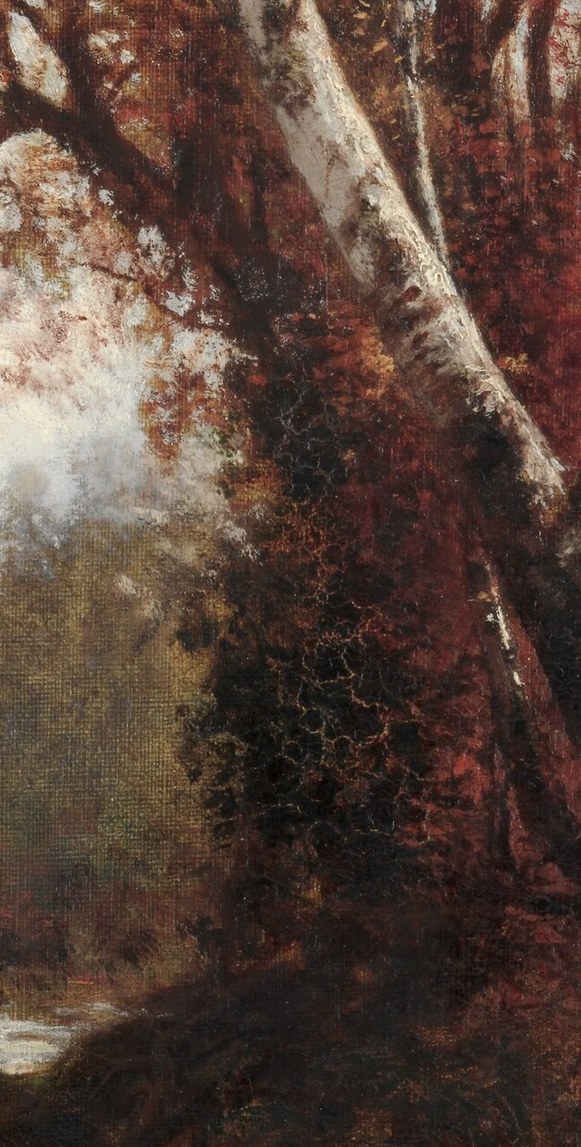
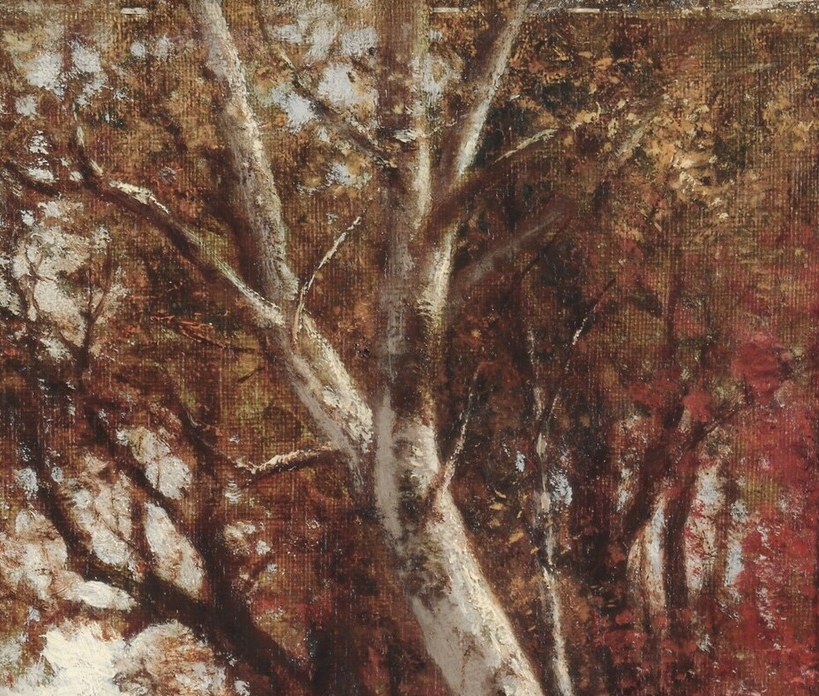
Look closely at the central tree and the surrounding forest. Hart, along with his siblings and nieces, were all active painters within the Hudson River School tradition. You can see the characteristic emphasis on detailed observation of light and atmospheric effects.
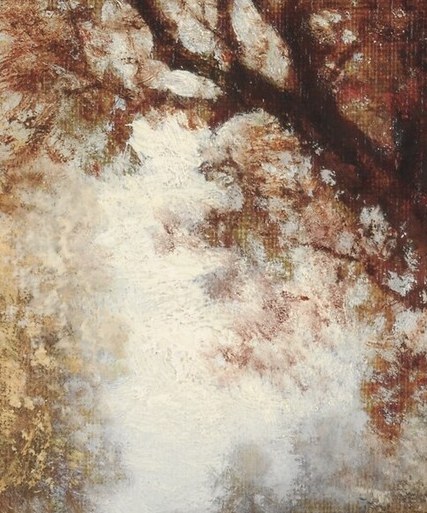
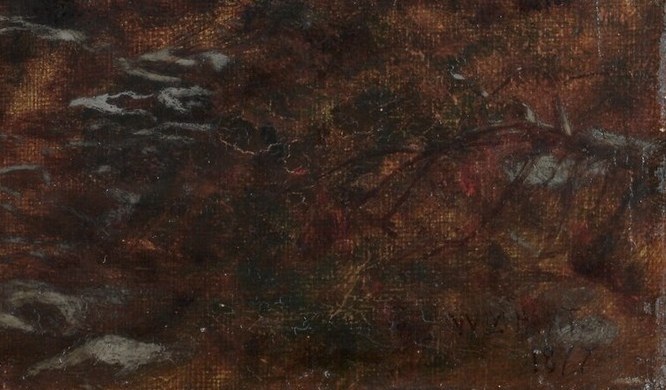
Hart also used pronounced impasto, applying thick, textured brushstrokes, especially visible on the trees and sky. This technique creates a tangible surface and gives the scene a sense of immediacy despite its stillness. The painting is now held in the collection of The Cleveland Museum of Art.
What natural elements do you find most compelling in this family's artistic legacy?
Details
Transcript
This painter was part of a family of artists. His siblings and nieces were also painters. They all painted in the Hudson River School tradition. This work emphasizes nature, a key theme of that movement. Notice the thick paint, or impasto, on the trees and sky. It gives the scene a textured, immediate feel. This painting is a quiet testament to their shared legacy.