Charity by Sarto, Andrea del
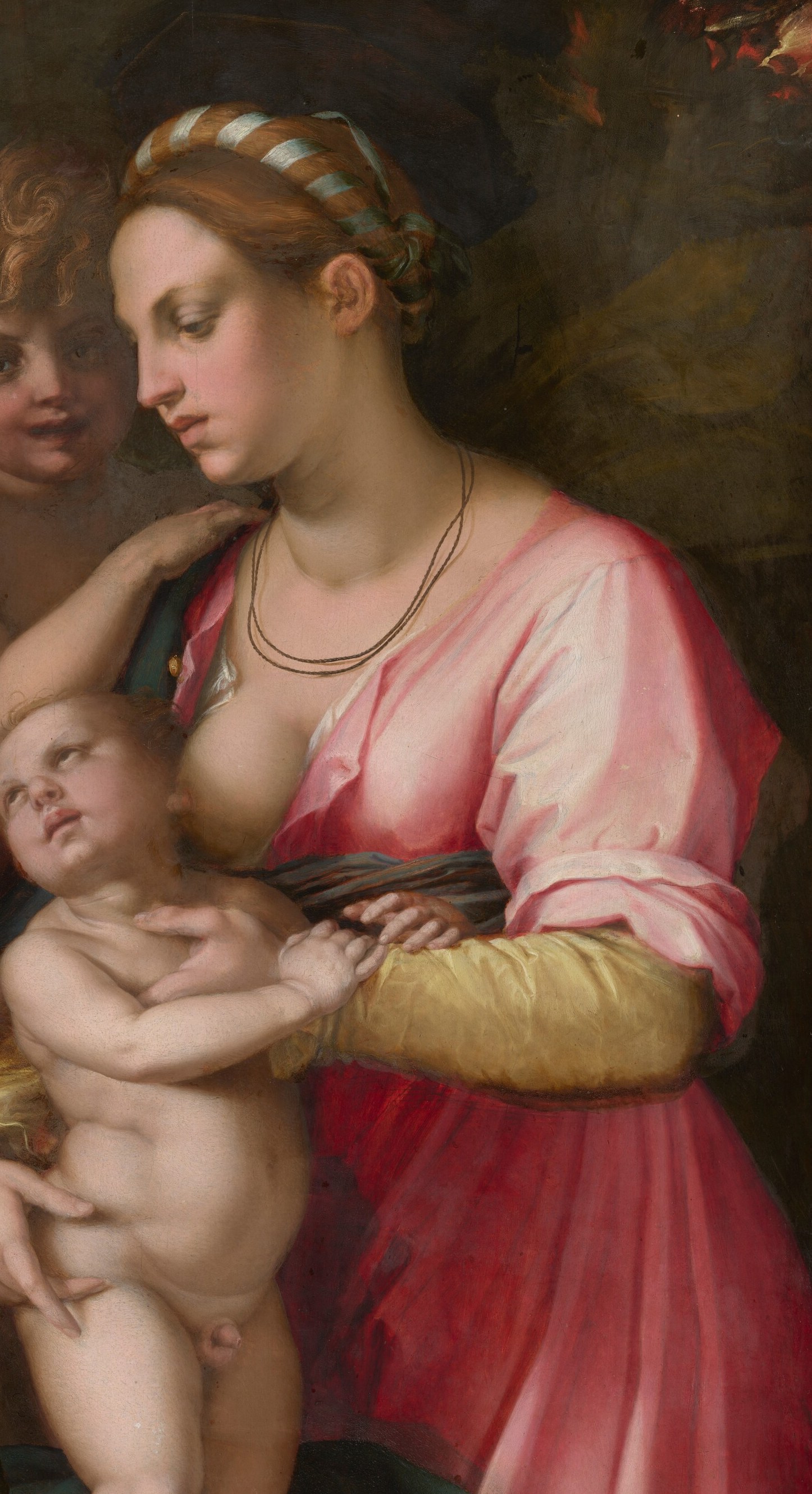
Andrea del Sarto's 'Charity,' painted around 1530, exemplifies the refined balance and masterful color of the High Renaissance. This oil on panel work, now in a prominent museum collection, depicts the virtue of charity through a tender composition.
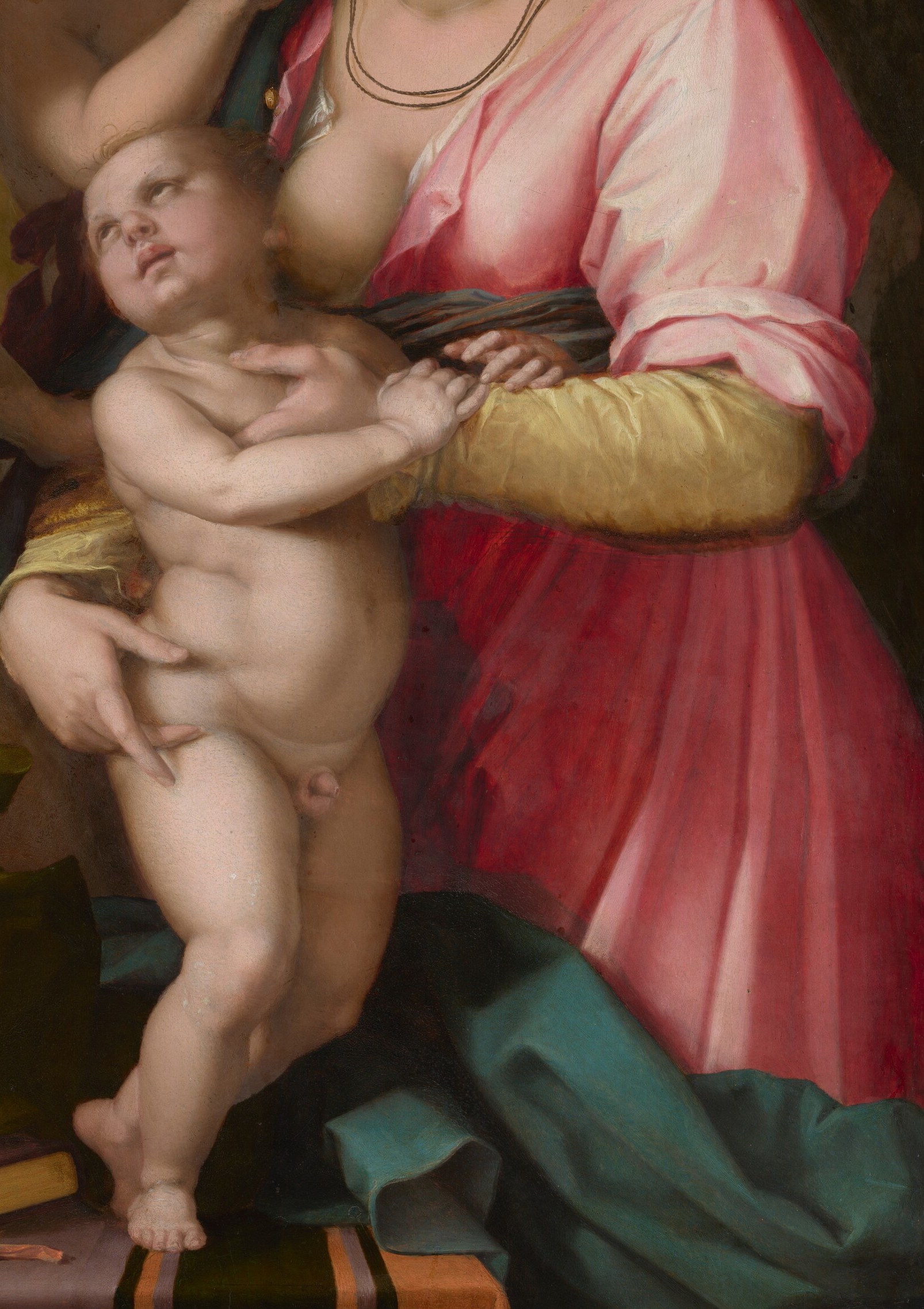
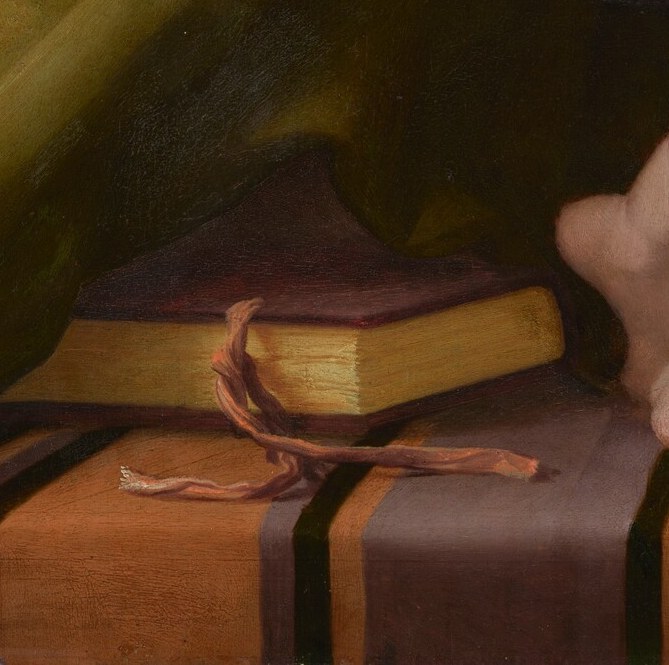
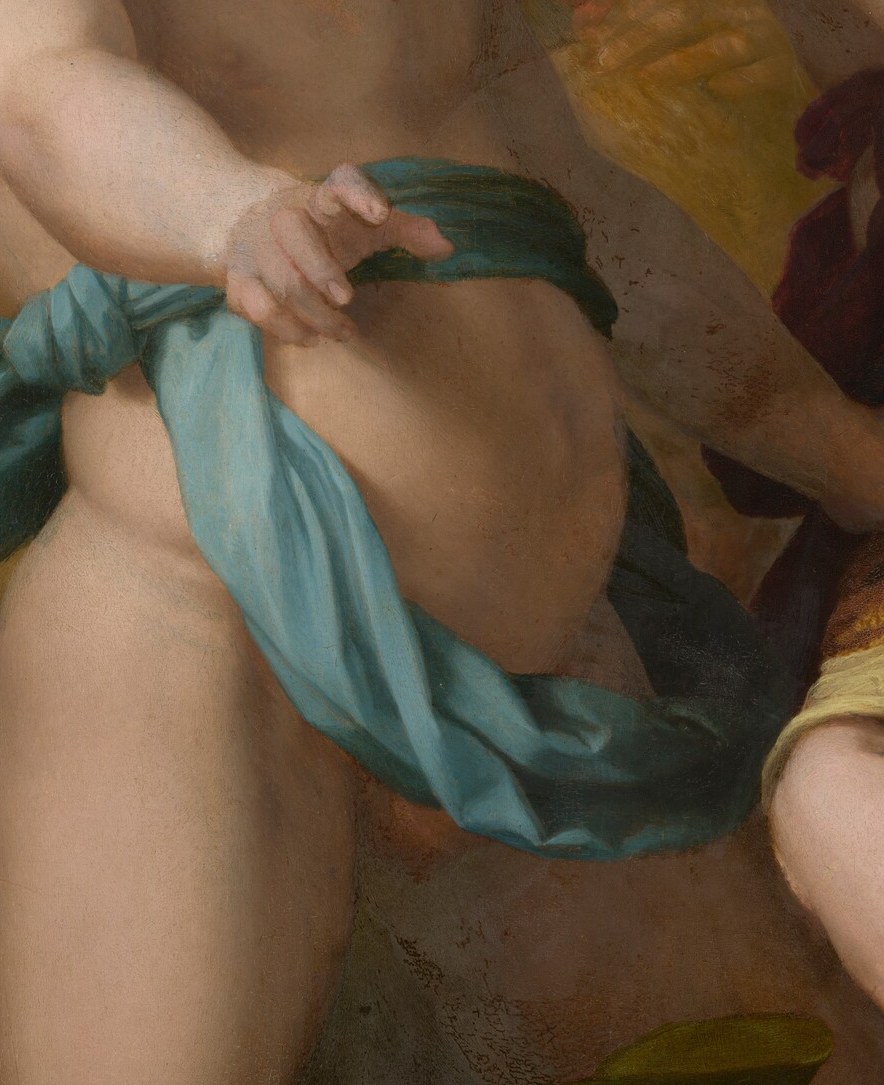
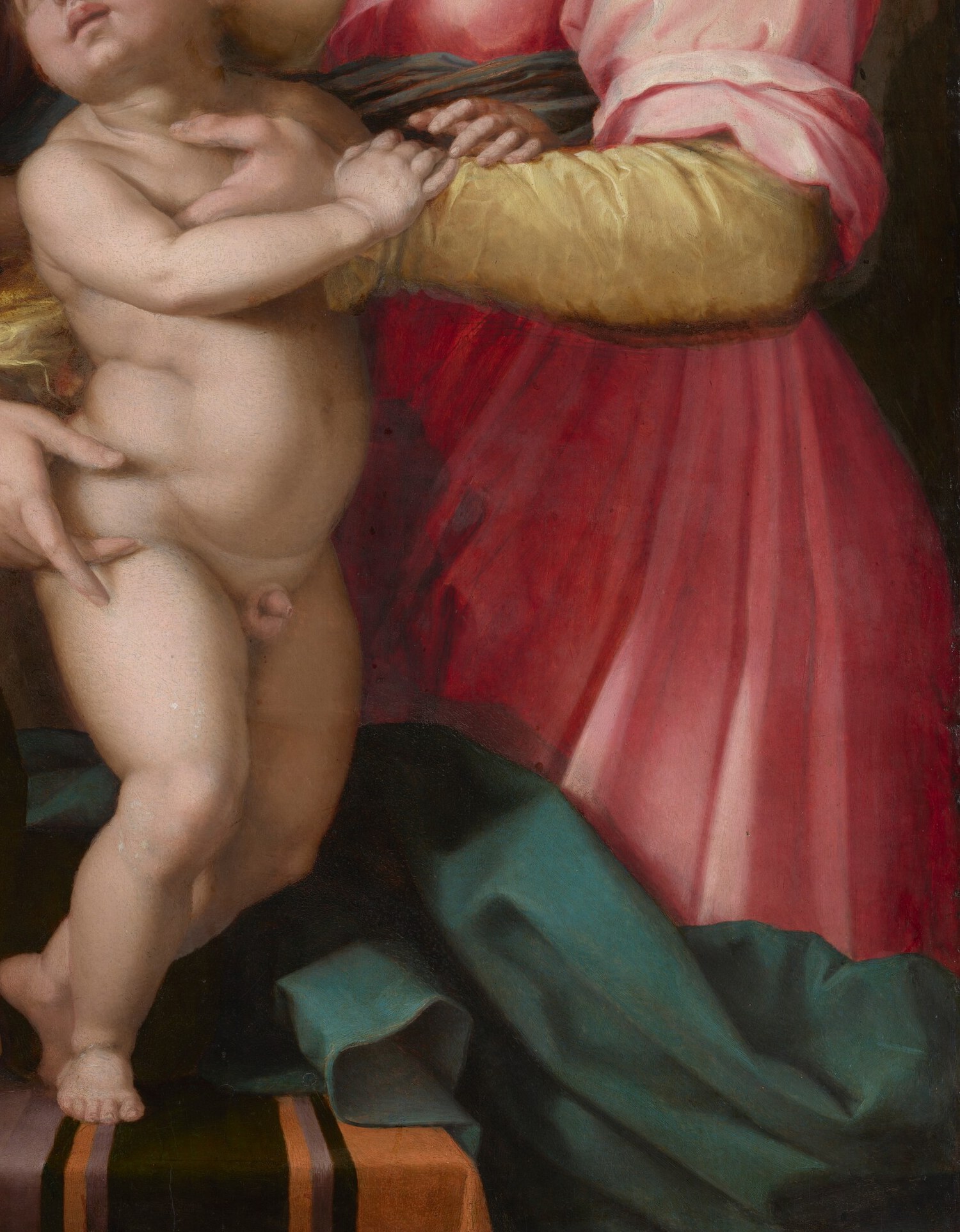
Look closely at the figures: the central woman cradles an infant, while another child stands nearby. The closed book on the striped table alludes to sacred knowledge, while the vibrant blue drapery is often seen to symbolize divine grace. The rich pink of her robe further suggests warmth and abundance.
During his lifetime, Andrea del Sarto was highly regarded in Florence, earning the epithet *senza errori* (without errors) for his consistent artistic excellence. Although his fame was later eclipsed by contemporaries like Leonardo, Michelangelo, and Raphael, his skill in composition and nuanced approach to color remain evident.
What other allegorical elements do you see in this painting?
Details
Transcript
This painting is called Charity. The central figure embraces an infant and another child. The virtue of charity is a central theme in this work. The book on the table suggests sacred knowledge or teachings. The vibrant blue drapery could symbolize divine grace. Her pink robe signifies warmth and abundance. The artist, Andrea del Sarto, was called "without errors."