Portrait of a Man by Vivarini, Alvise
Alvise Vivarini’s *Portrait of a Man*, painted around 1495, is an exceptional example of Venetian Renaissance portraiture, currently held in a private collection. Its direct gaze was a radical innovation, collapsing all psychological meaning onto the sitter's face.
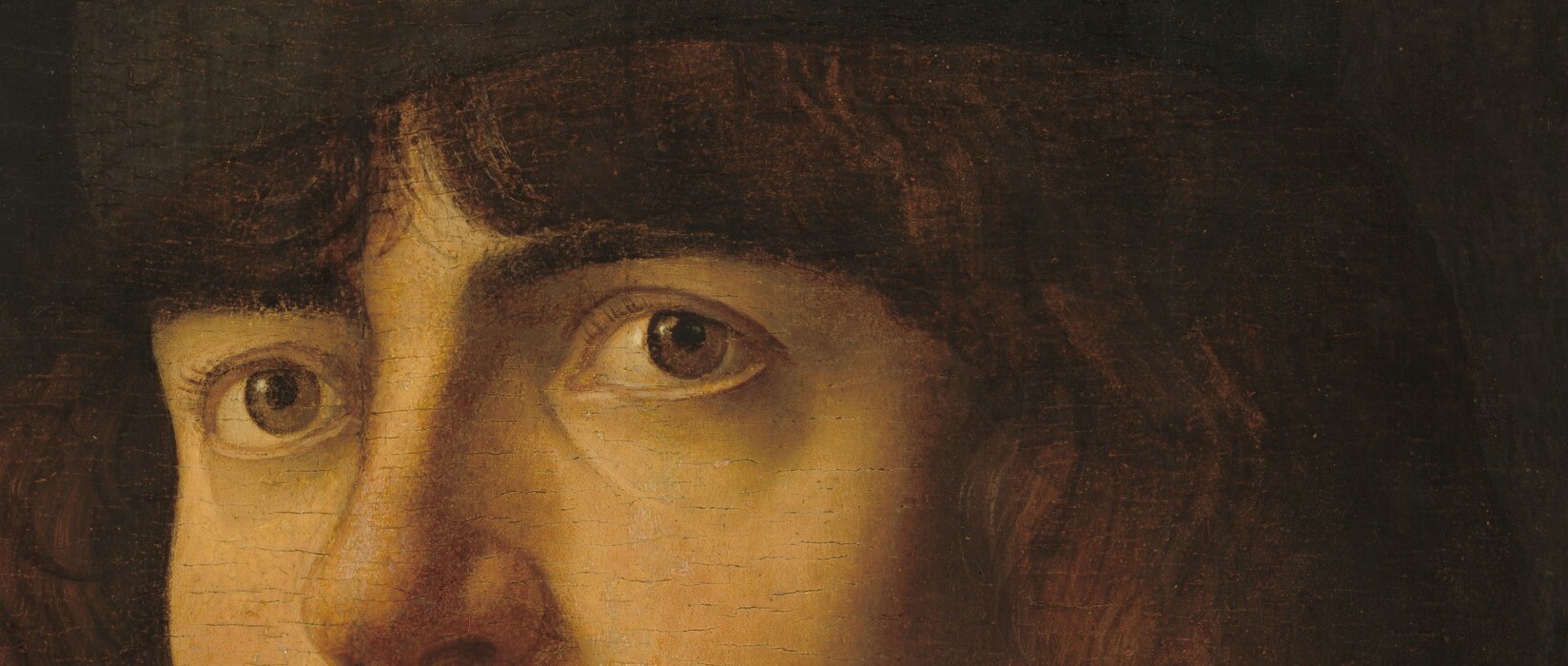
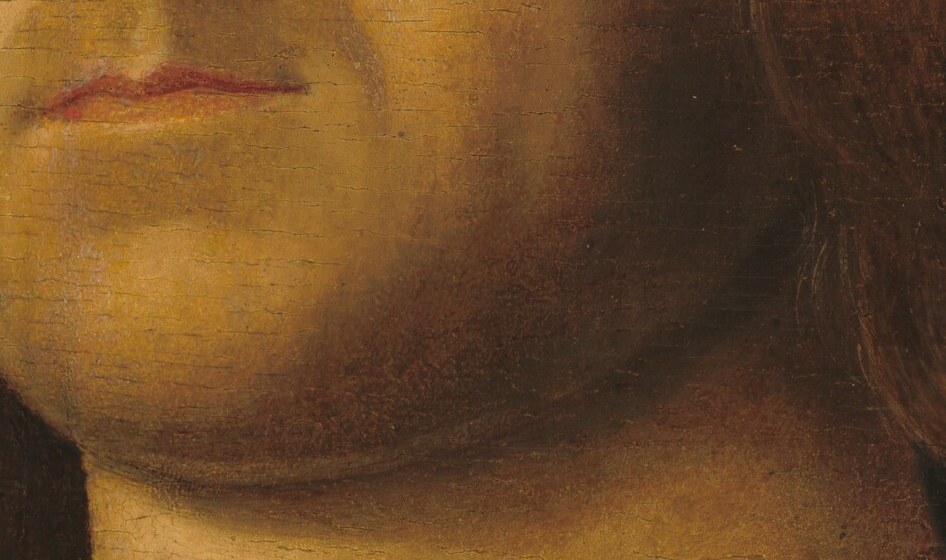
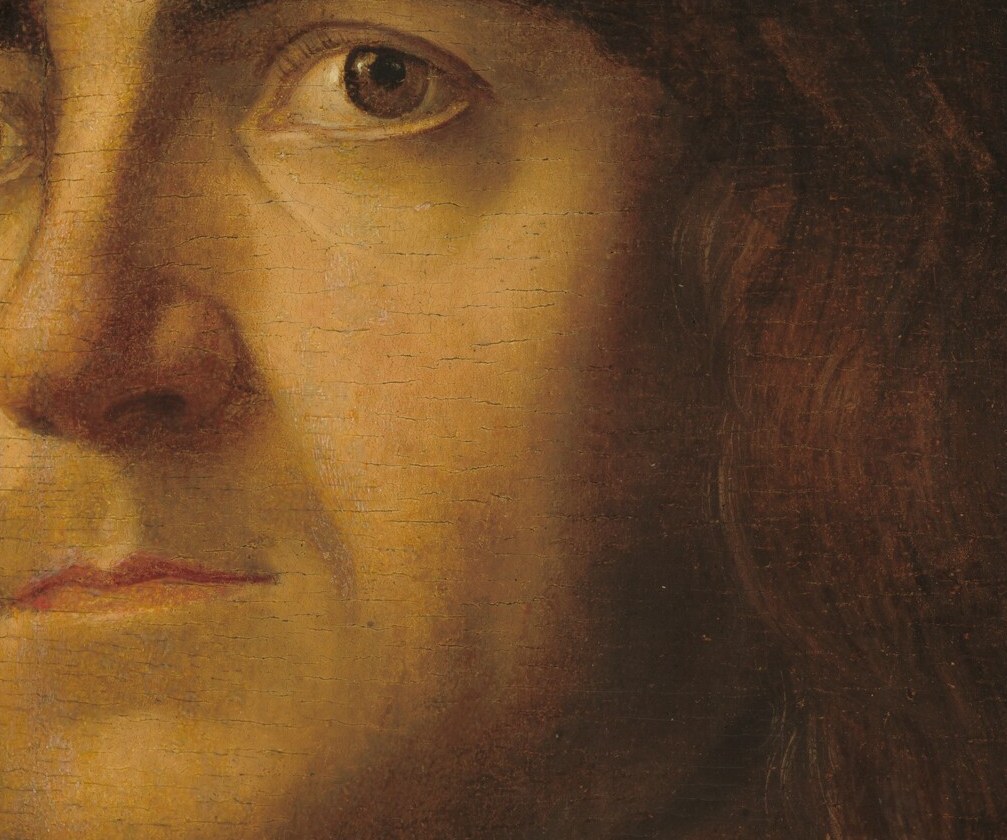
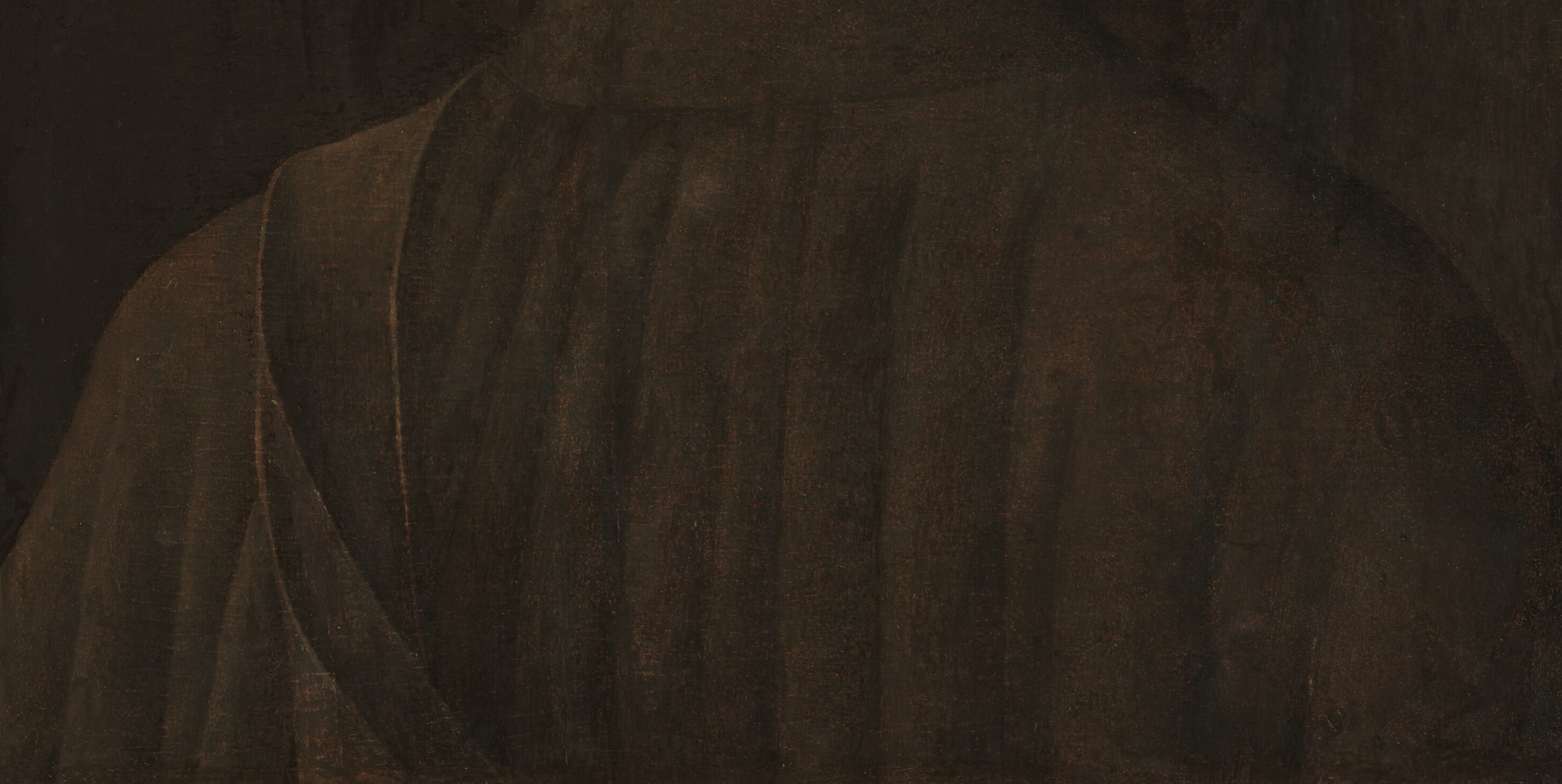
The painting shows an unidentified man in a formal pose, whose unflinching gaze directly engages the viewer. Notice the precise rendering of his features, particularly his prominent nose and tightly closed lips, which convey an impression of seriousness and quiet reserve. His simple, dark attire further emphasizes his civic substance rather than personal vanity, a statement clear to any Venetian viewer of the era.
Vivarini, a leading Venetian painter of his time, came from a distinguished family of artists. He employed oil on panel, allowing for the subtle tonal transitions that give depth to the face and define his calm demeanor. This portrait captures the emerging focus on individual presence without relying on elaborate narratives or symbols.
The painting's innovative approach to direct eye contact marks a significant moment in the history of portraiture, inviting a connection that still resonates today.
Details

Transcript
This man looks directly at you. This direct gaze was a Venetian innovation, rare for 1495. All psychological meaning collapses onto his face. His tightly closed lips suggest private reserve and gravitas. Look at the sharp detail of his prominent nose, a sign of identity. He asks to be read as a man of civic substance, not vanity.