The Sibyl by Willem Drost
This is The Sibyl, painted in 1654 by the Dutch Golden Age artist Willem Drost. She is now in the collection of The Metropolitan Museum of Art. Drost was just 21 when he finished this, a student of Rembrandt already painting with the confidence of a master. Within a few years, he would leave Amsterdam and disappear from the historical record entirely.
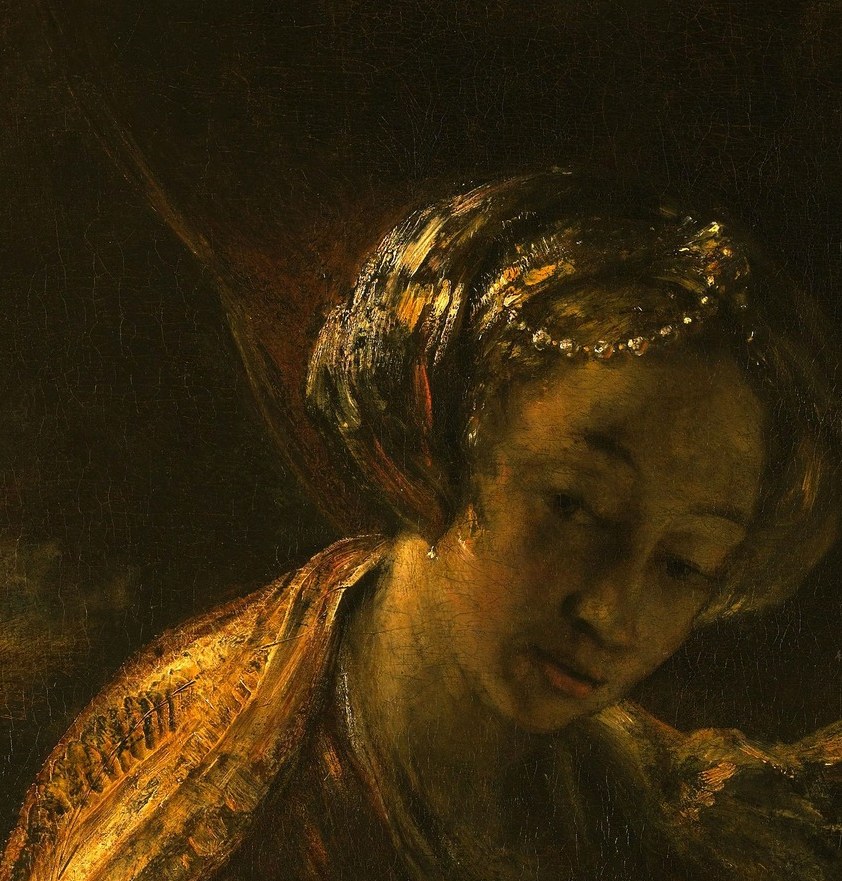
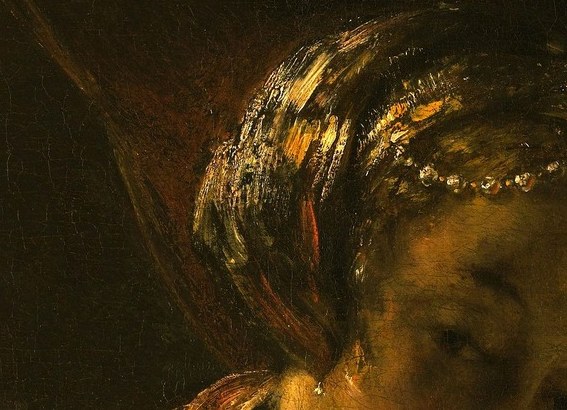
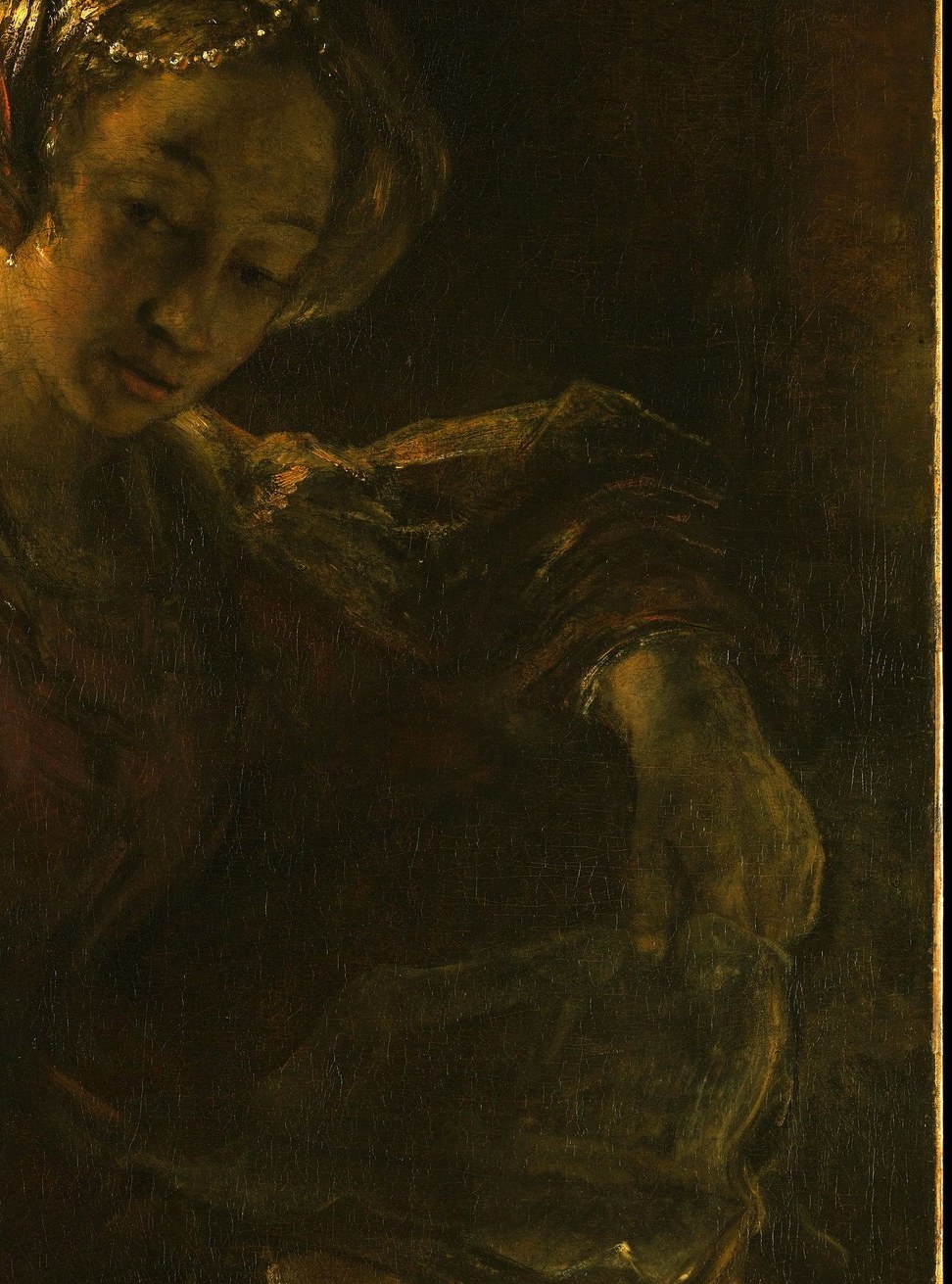
The camera ends on the gold. Up close, that amber drapery is a physical object: heavy ridges of oil paint built up with a loaded brush. Drost let light catch the impasto itself, not just the illusion of fabric. Her downcast eyes do the rest of the work. She sees nothing in this room because she is inside the prophecy, reading what must come.
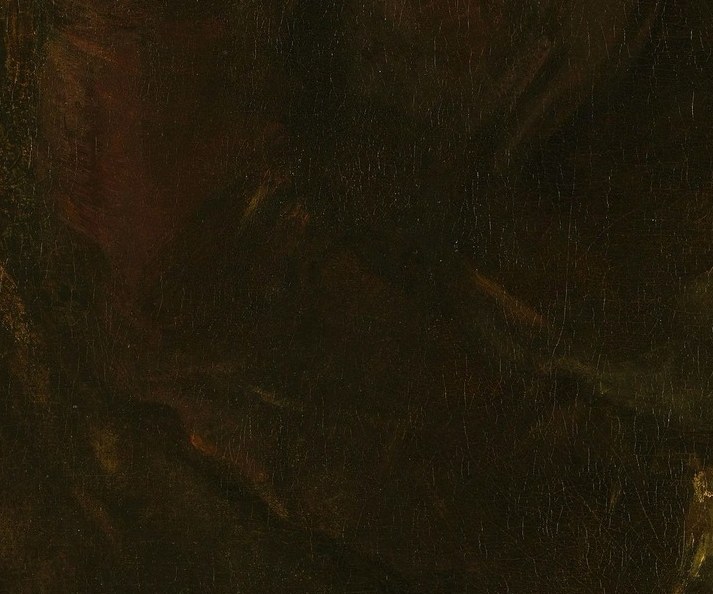
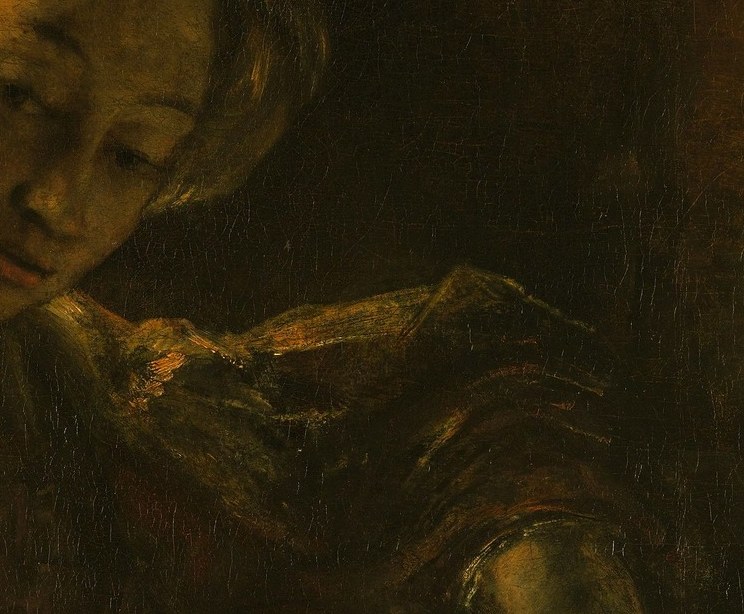
The Sibyls were the prophetesses of antiquity, women who spoke for Apollo and whose books, like the dark volume she cradles, held Rome's most closely guarded oracles. Dutch painters of Rembrandt's circle returned to them often, drawn by the chance to show inward vision rather than outward display. Drost's version runs the whole composition on a single contrast: warm lit gold against an almost unreachable darkness. That shadow background may hold underpainting ghosts absorbed into the ground over 370 years.
He was gone by 1659, buried at 25. We have maybe two dozen paintings. This is one of them.
Details
Transcript
She is reading the future. A Sibyl, an ancient prophetess, with her book of fate. Her eyes refuse the world around her. All that gold is paint. Look at the ridges. Willem Drost was Rembrandt's student. He was 21. By 25, he had vanished from Amsterdam forever.