San Pedro Celestino papa by Bartolomé Román
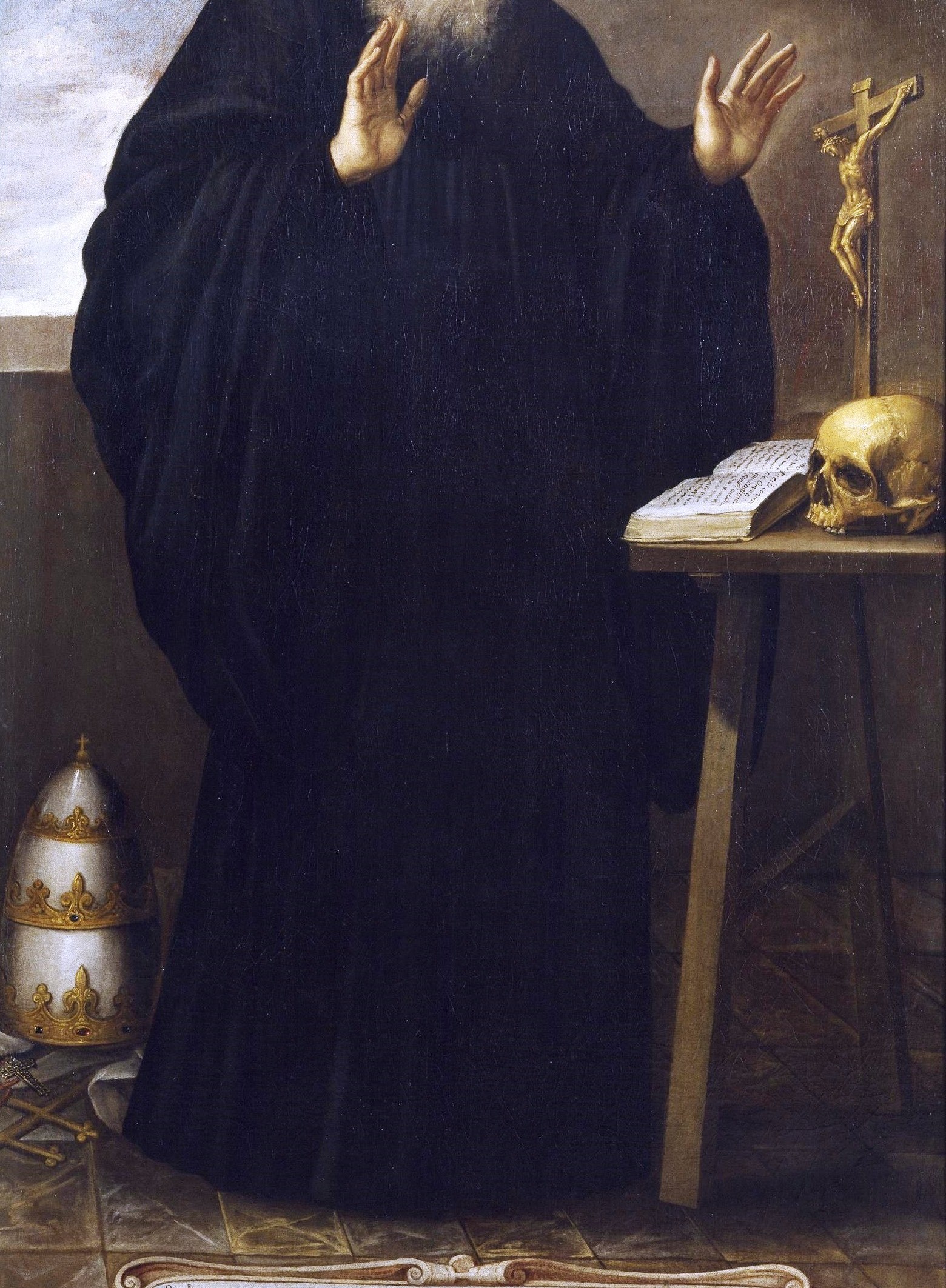
Bartolomé Román's "San Pedro Celestino papa" (1601), housed at the Museo del Prado, is a masterclass in using light to create dramatic depth. The painting showcases Román's exceptional skill with chiaroscuro, a technique that employs strong contrasts between light and shadow to give objects and figures a powerful three-dimensional presence.
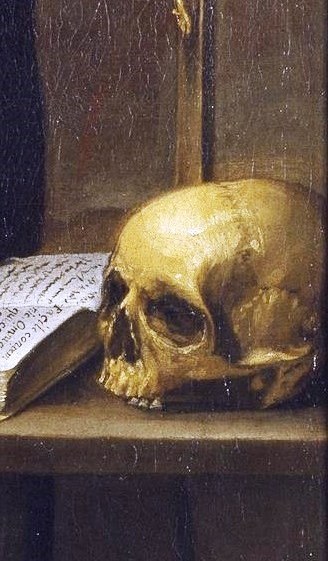
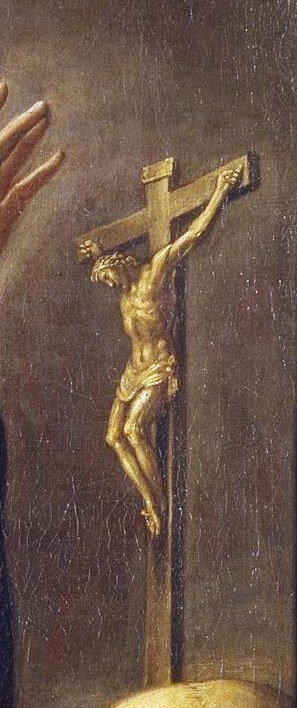
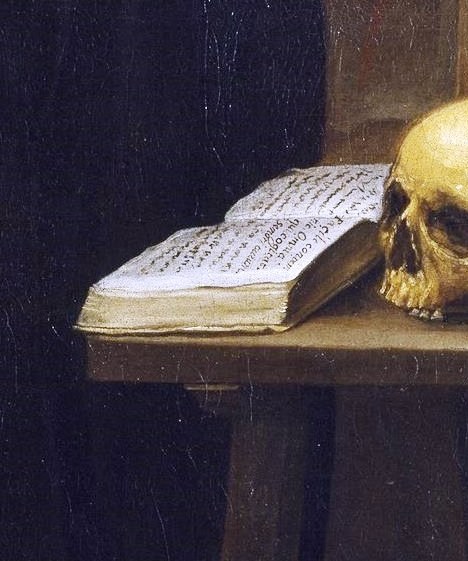
Notice how the light, seemingly from an unseen window, illuminates the saint's face and hands, drawing them forward from the darker recesses of his habit. This dramatic lighting isn't just for show; it enhances the contemplative mood of the scene and highlights the symbolic objects on the table.
Román, an artist active in the early 17th century, used this technique to great effect, reflecting the Baroque period's emphasis on realism and emotional intensity. His work, like this one, helps us understand the visual language of his time.
How does the interplay of light and shadow change your perception of this scene?
Details
Transcript
This painter, Bartolomé Román, mastered light and shadow. He used stark contrasts to make forms appear three-dimensional. Look at the folds of his dark habit, how they recede into shadow. The light from above defines the saint's face and raised hands. This dramatic illumination is called chiaroscuro. It makes these humble objects leap out from the darkness.