Portrait of Infante Antonio Pascual of Spain (1755-1817) by Francisco Goya
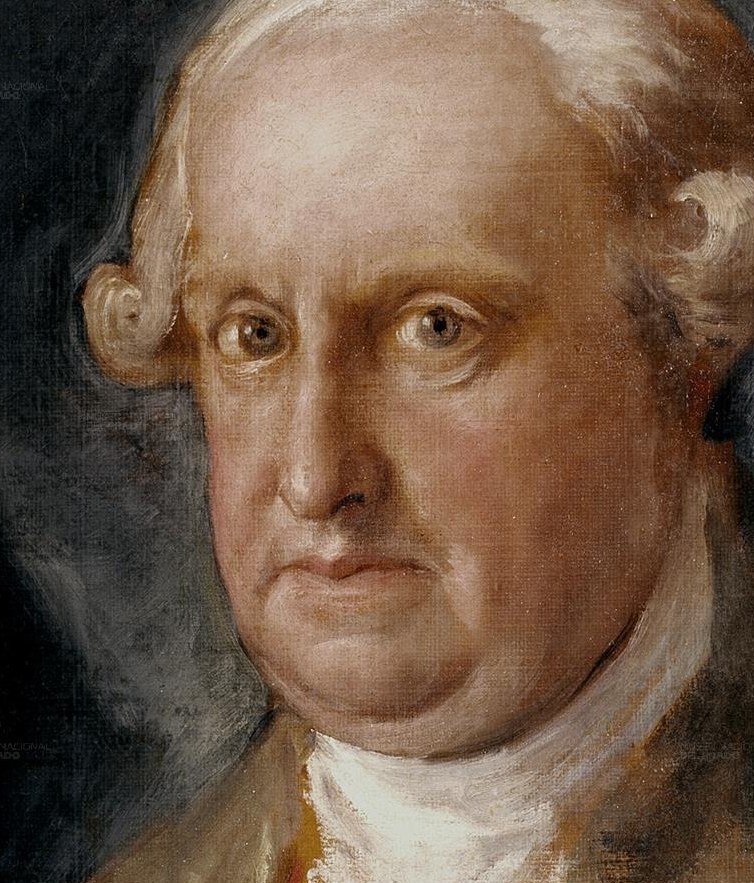
Francisco Goya's Portrait of Infante Antonio Pascual of Spain, painted in 1800, is more than just a likeness; it's a carefully coded message about power and status. Now housed at the Museo del Prado, this work captures a moment in Spanish royal history.
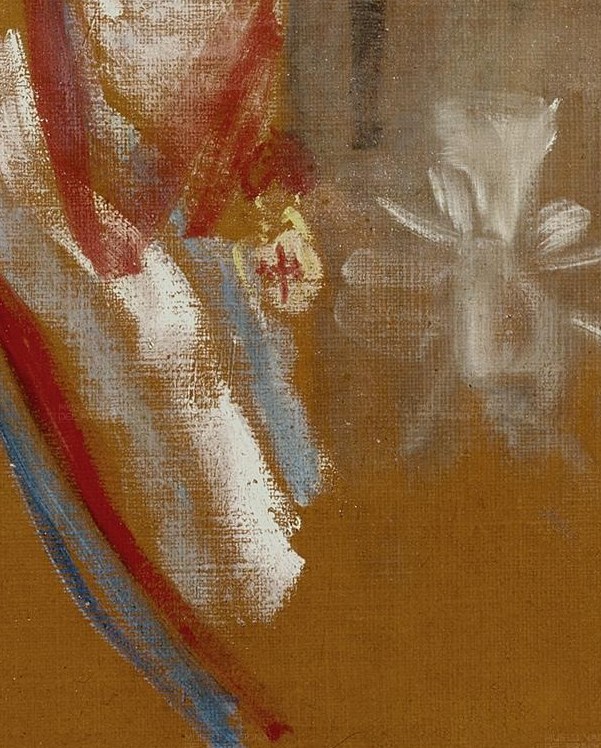
Notice the detailed insignia the Infante wears. The star on his chest is the Order of Charles III, a prestigious Spanish decoration. Below it, the red and blue ribbon signifies the Order of Saint Januarius, linking him to the Neapolitan royal house.
These symbols were not merely decorative. They publicly displayed Infante Antonio Pascual's noble status and his connections across European monarchies, essential for a royal figure during a period of political transition. Goya, a leading artist of his time, masterfully depicted these details, blending traditional portraiture with his emerging expressive techniques.
What do you notice first when you see the regalia on such formal portraits?
Details
Transcript
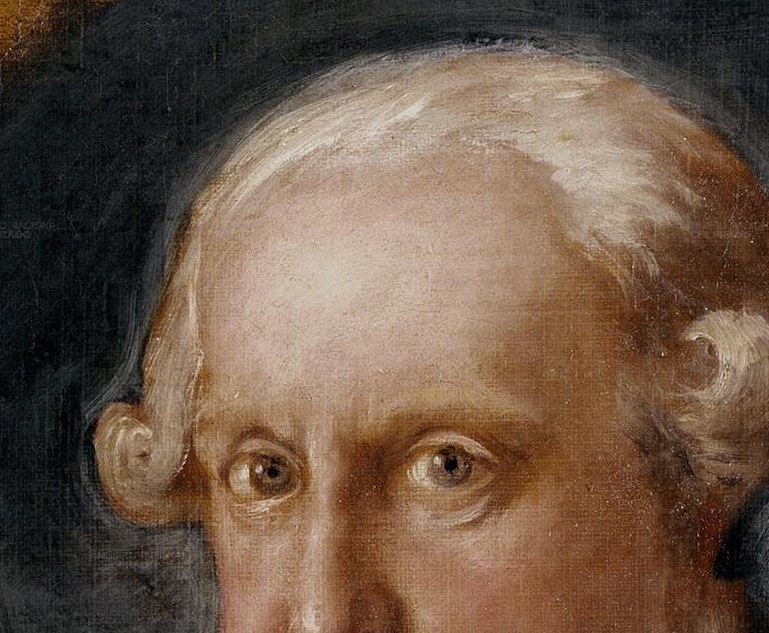
This is Infante Antonio Pascual, a Spanish royal. He was the younger son of the Spanish monarch. His solemn gaze conveys the decorum of his position. Look closely at the star on his chest. It's the Order of Charles III, signifying high status. The red and blue ribbon displays another honor. This is the Order of Saint Januarius, connecting him to Naples. Together, these symbols spell out his royal power.