Ginevra de' Benci [obverse] by Leonardo da Vinci
View the artwork: Ginevra de' Benci [obverse] →
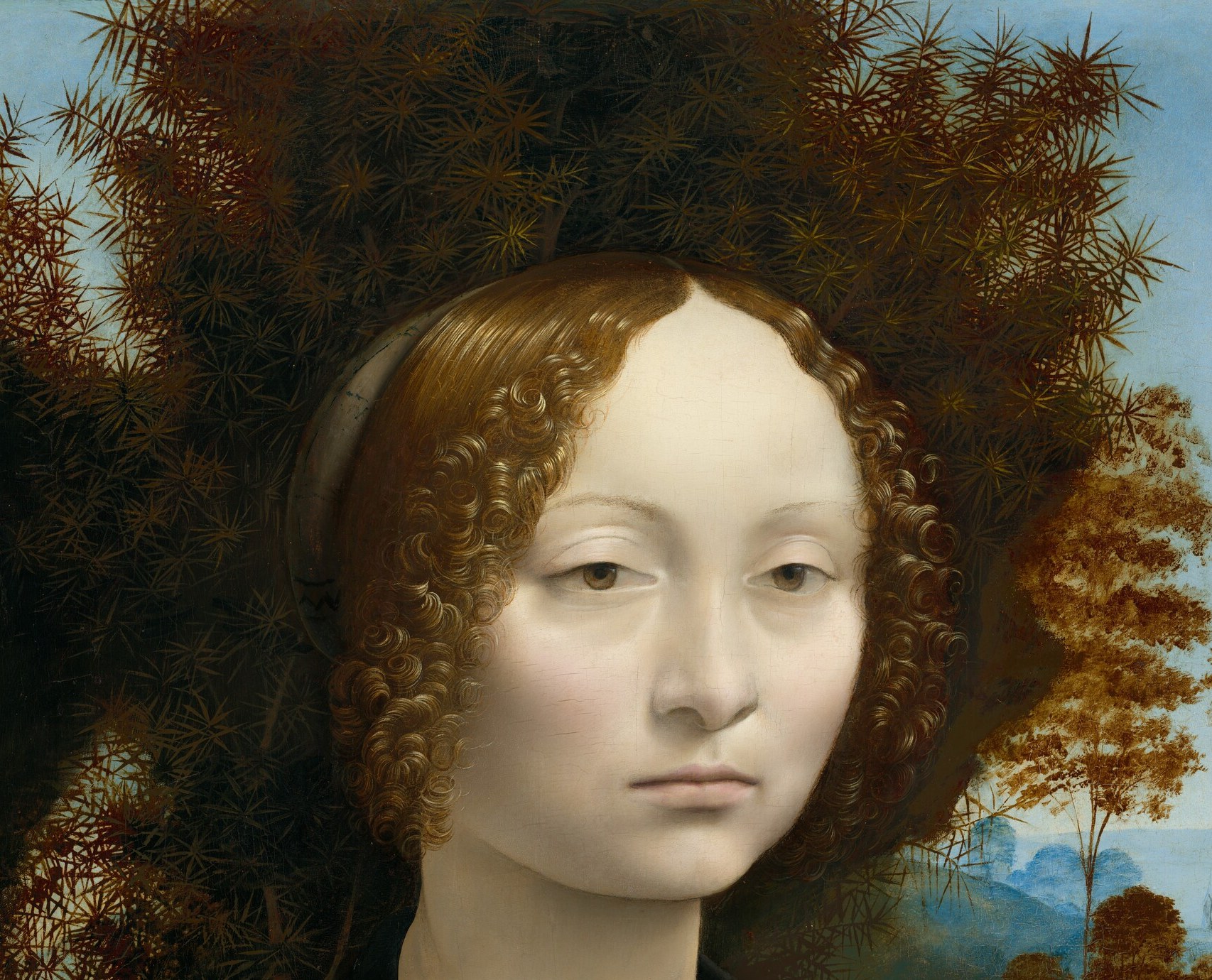
Ginevra de' Benci, painted by Leonardo da Vinci around 1474 to 1478, is the only painting by the artist on public view in the Americas, housed at the National Gallery of Art in Washington, D.C. It was acquired in 1967 from the Prince of Liechtenstein for a record-setting sum between five and six million dollars. But its true value is quieter: it is likely the first psychological portrait of a woman in Western art.
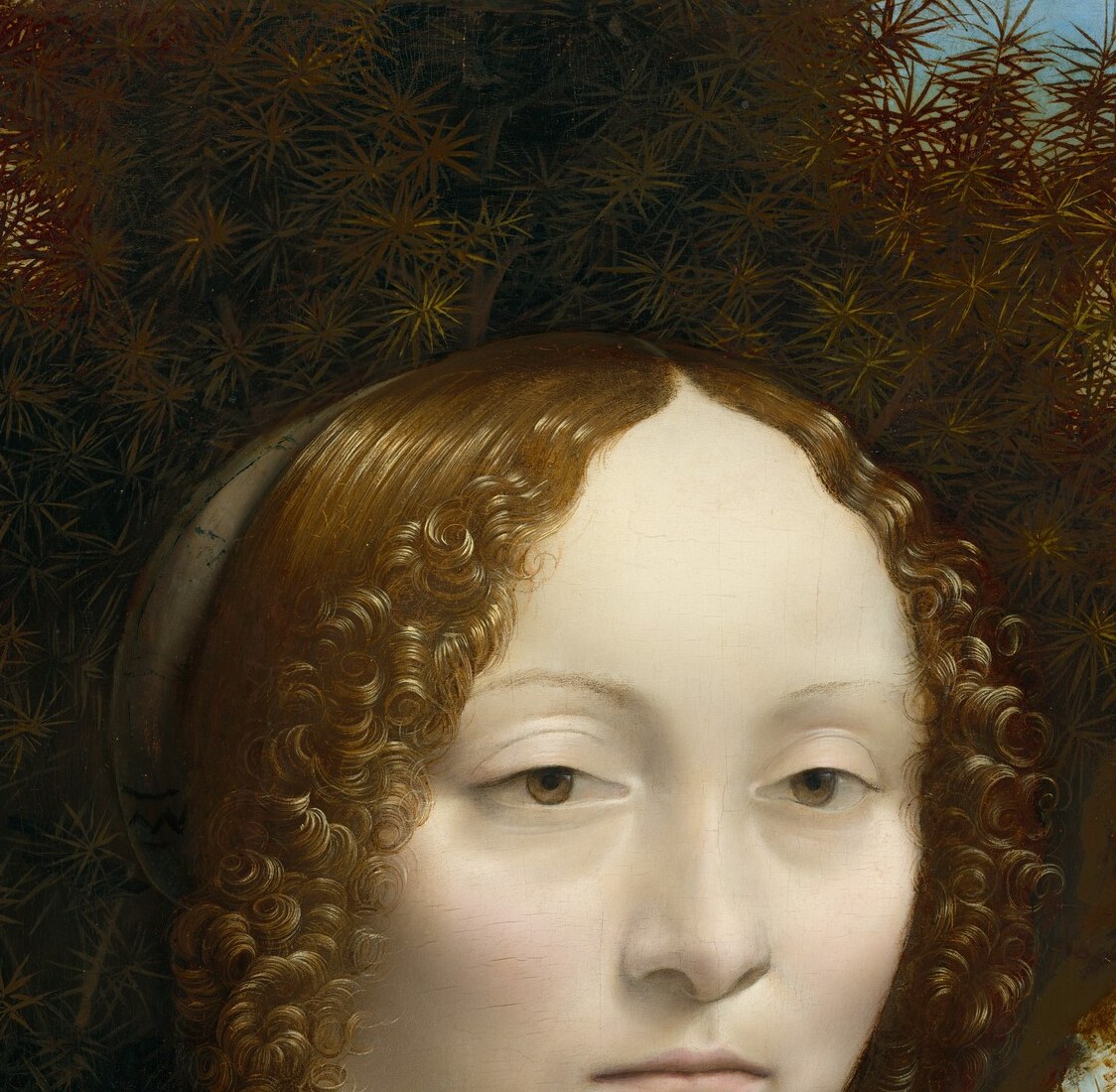
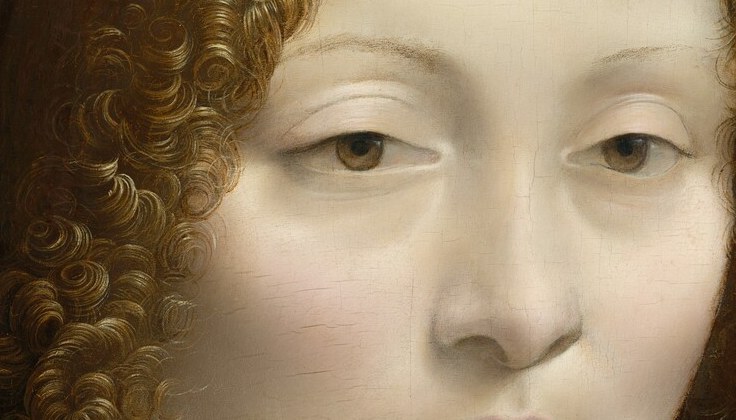
Look at her face. The slightly downward cast of the eyes, the heavy lids, the closed, unsmiling mouth. She does not perform for the viewer. Her gaze is directed past us, inward. The soft sfumato shading on her left cheek and eye socket, barely a transition from light to shadow, was a technical breakthrough Leonardo was developing in these exact years.
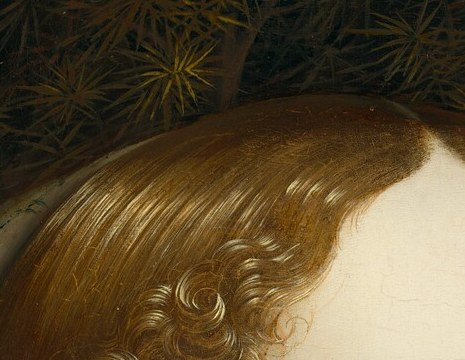
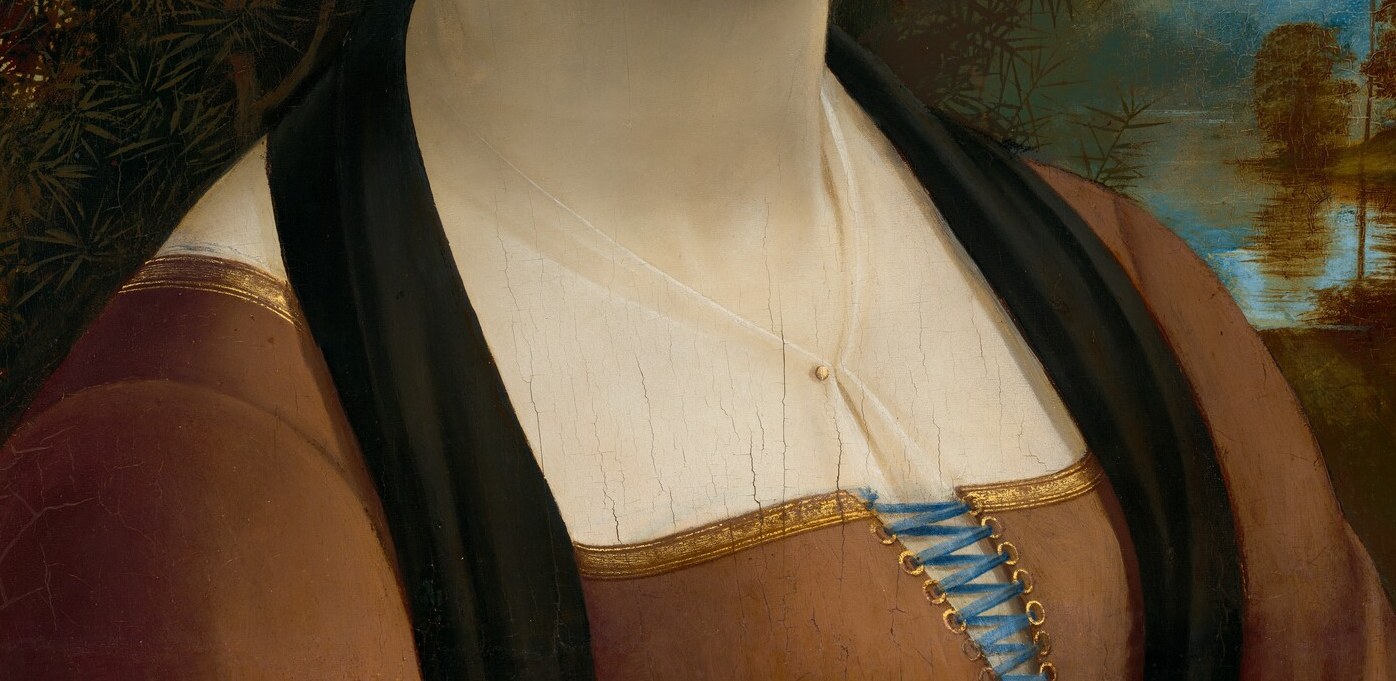
Ginevra herself was remarkable. From a wealthy Florentine banking family, she was celebrated as a poet and intellect while still a teenager. Lorenzo de' Medici's court admired her. The spiky juniper bush behind her is a visual pun: ginepro in Italian echoes her name. The portrait was likely commissioned on the occasion of her betrothal, but the face Leonardo painted is not that of a bride on display. It is the face of someone with an interior life.
She was about seventeen when she sat for this. Leonardo was just twenty-two. He would spend a lifetime painting the inner weather of his subjects, but he started here.
#arthistory #leonardodavinci #renaissanceart
Details
Transcript
Before this, women in portraits were seen and not heard. Florentine ladies were painted as objects of beauty or virtue. Ginevra de' Benci is neither. She's seventeen. A poet already known across Florence. Her right eye meets something past us. Thinking. The closed mouth. No smile. No performance. The painter was twenty-two. He had never done this before. He let her keep her own thoughts. That was the revolution.