Salvator Mundi by Correggio
View the artwork: Salvator Mundi →
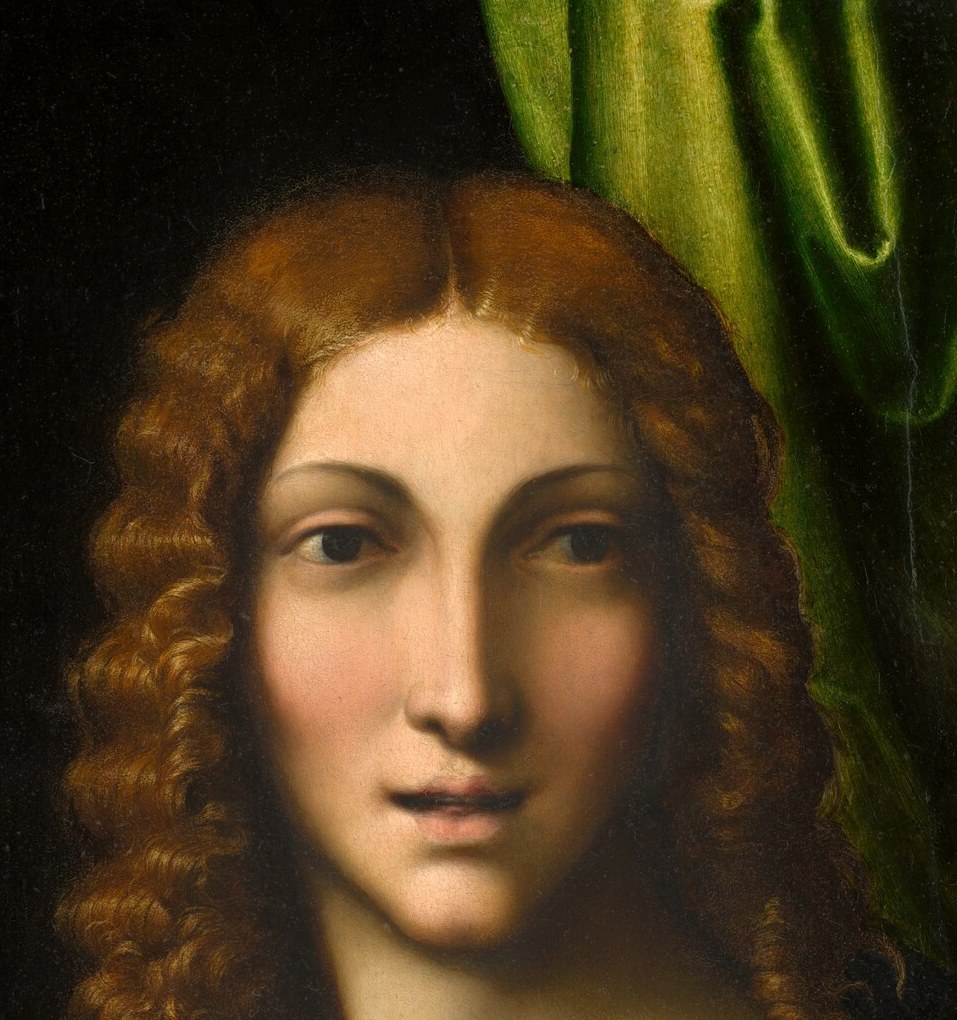
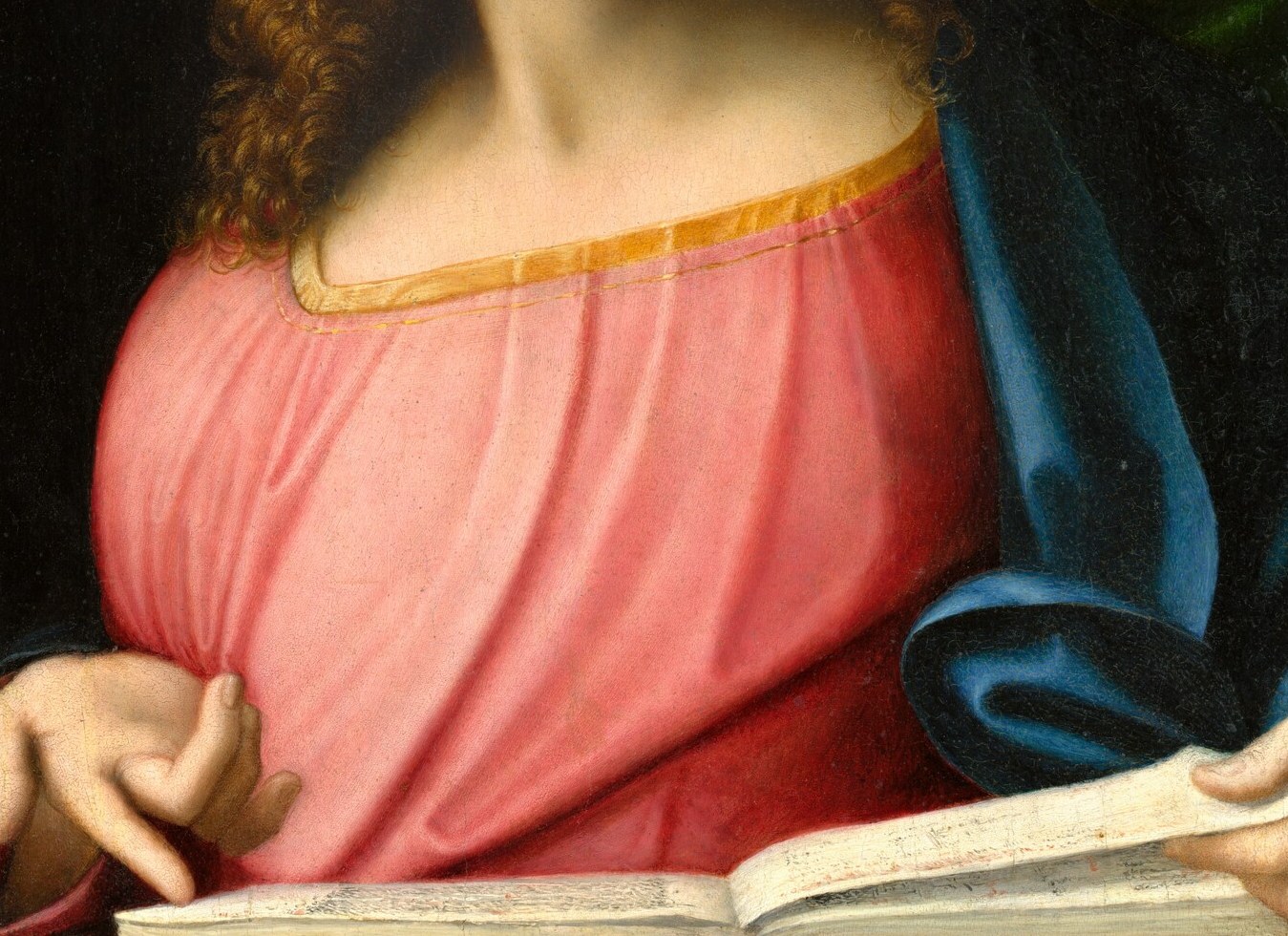
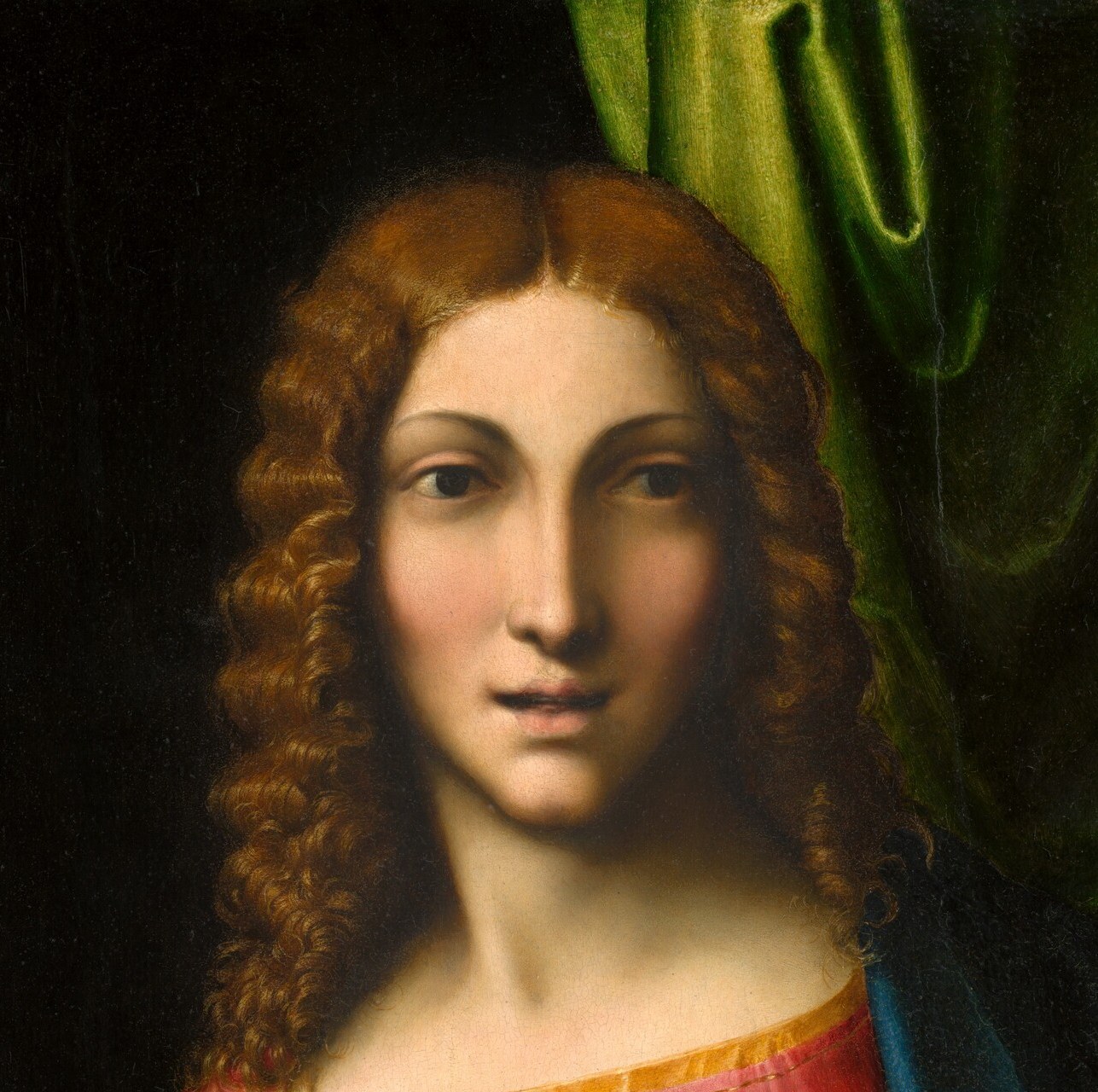
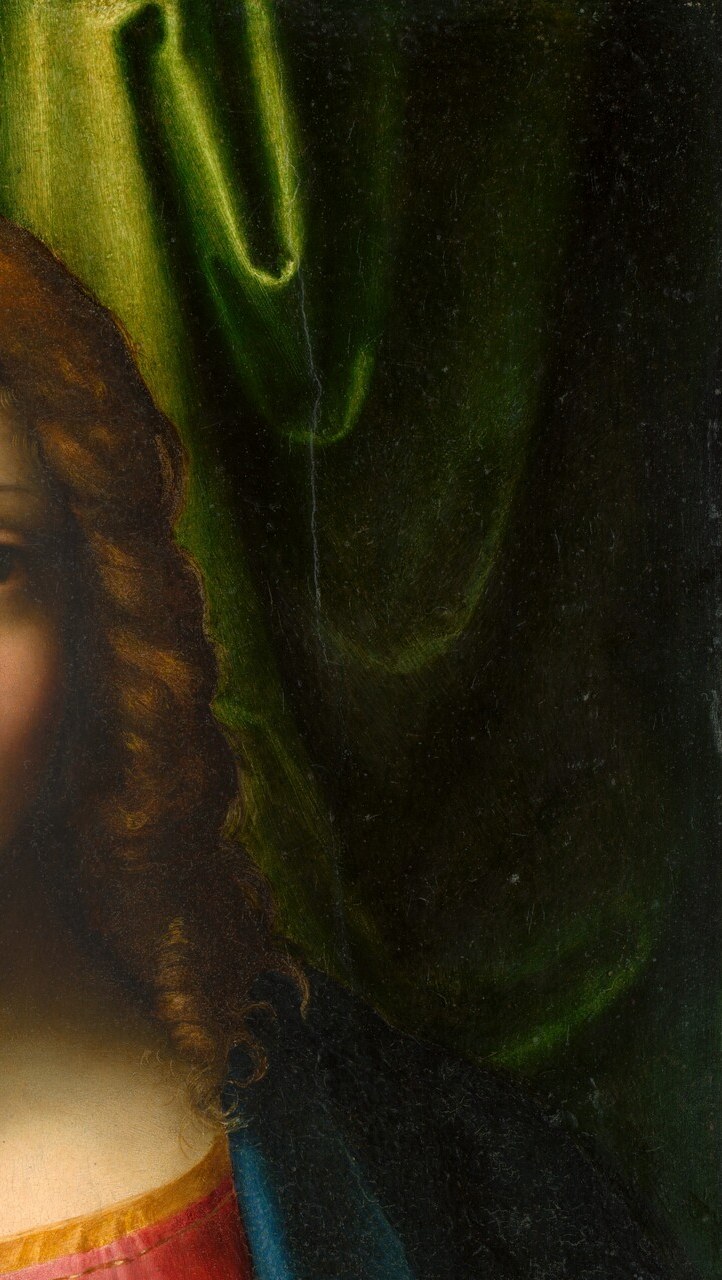
This is Correggio's Salvator Mundi, painted around 1515 and now hanging in the Nelson-Atkins Museum of Art in Kansas City. It was stolen from the museum in 1978 in a break-in, then recovered two weeks later from a bus station locker, completely unharmed. The theft is a small footnote in the history of a painting that is far more interesting for what it does with light.
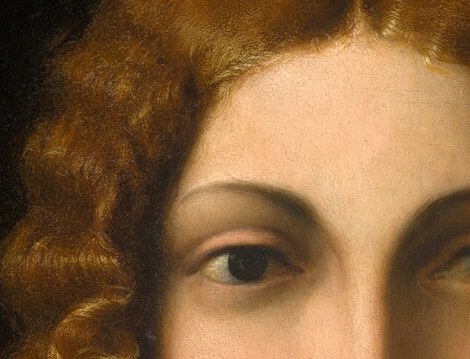
The face is the whole story. Correggio softens every edge with a technique called sfumato, so the skin seems to emit its own light rather than reflect it. The eyes look slightly past you, intimate but not confrontational. That tension between being seen and being held at a reverent distance is something Correggio did better than almost anyone.
Correggio spent most of his life in Parma, away from the main currents of Rome and Florence, and developed a style that feels startlingly modern: dynamic, tender, and emotionally direct. He died young, at about 45, but his handling of flesh and gesture prefigured Baroque art by a century.
The painting's full title means 'Savior of the World,' but what stays with you is not the theology. It is the quiet of that face, still luminous after 500 years, a heist, and a bus station locker.
#arthistory #correggio #renaissance
Details
Transcript
One night in 1978, someone walked out of the Nelson-Atkins Museum carrying this. It was a simple smash-and-grab. The thief vanished into the dark. Look at the face they risked prison for. That impossible glow comes from something Correggio invented: a softness that makes flesh look lit from within. Police found it two weeks later in a locker at a Kansas City bus station. Undamaged. Still radiating.