Eliab Metcalf (?) by American 19th Century
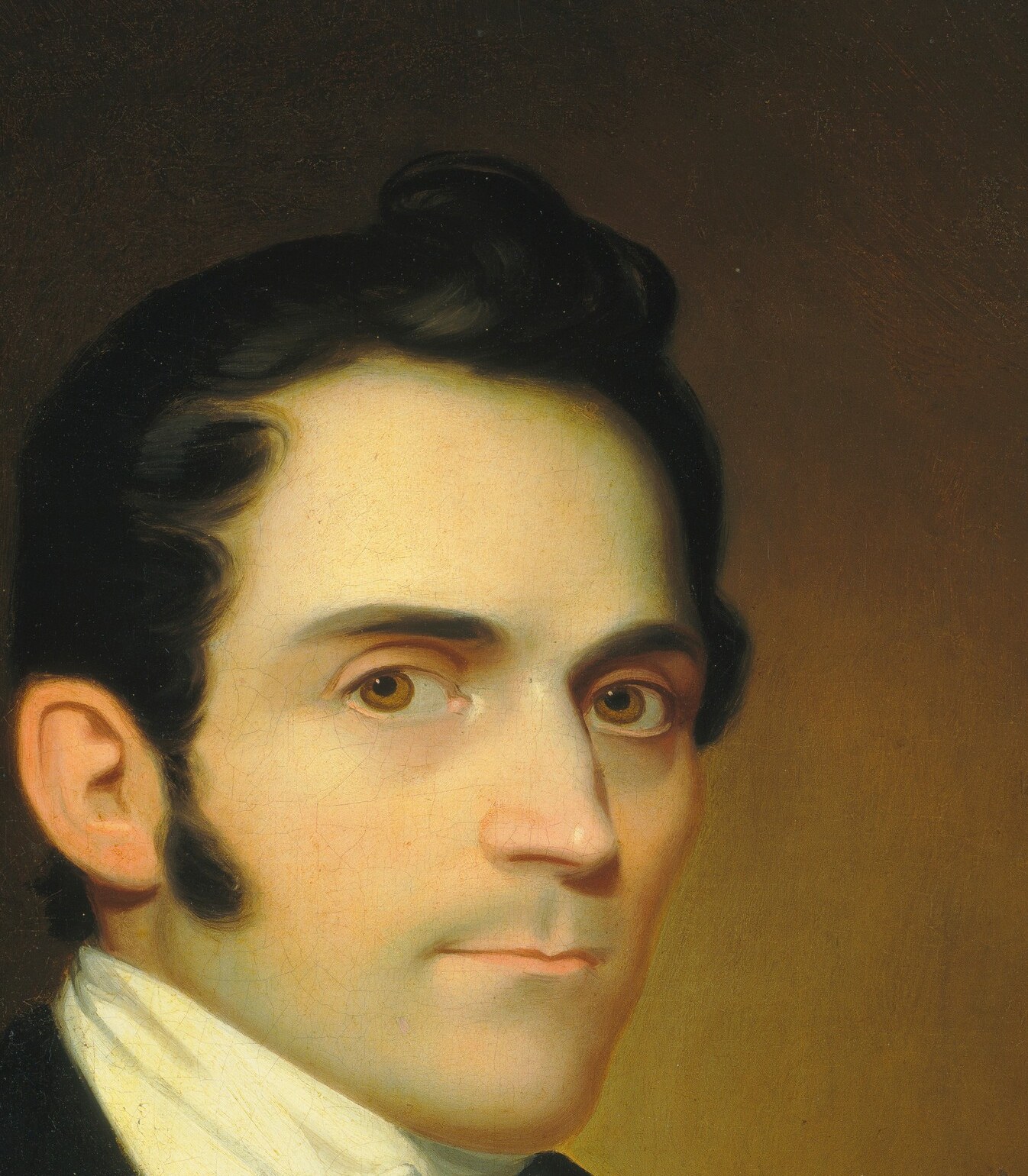
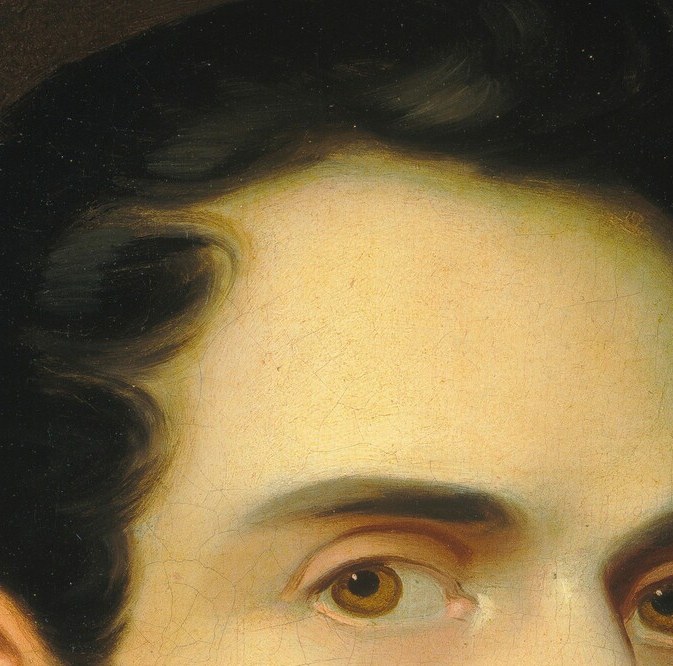
This portrait, tentatively identified as Eliab Metcalf, was painted around 1815 by an artist whose name history has misplaced. It now belongs to the collection of the National Gallery of Art.
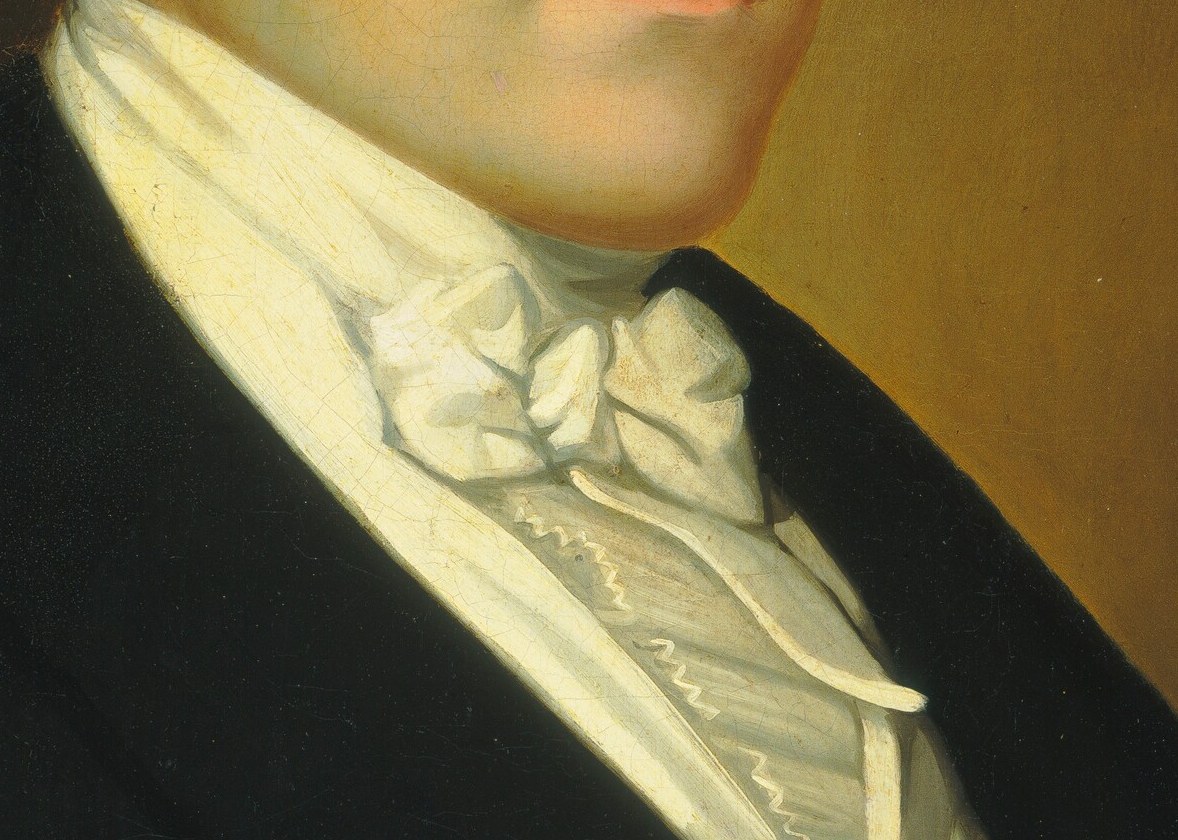
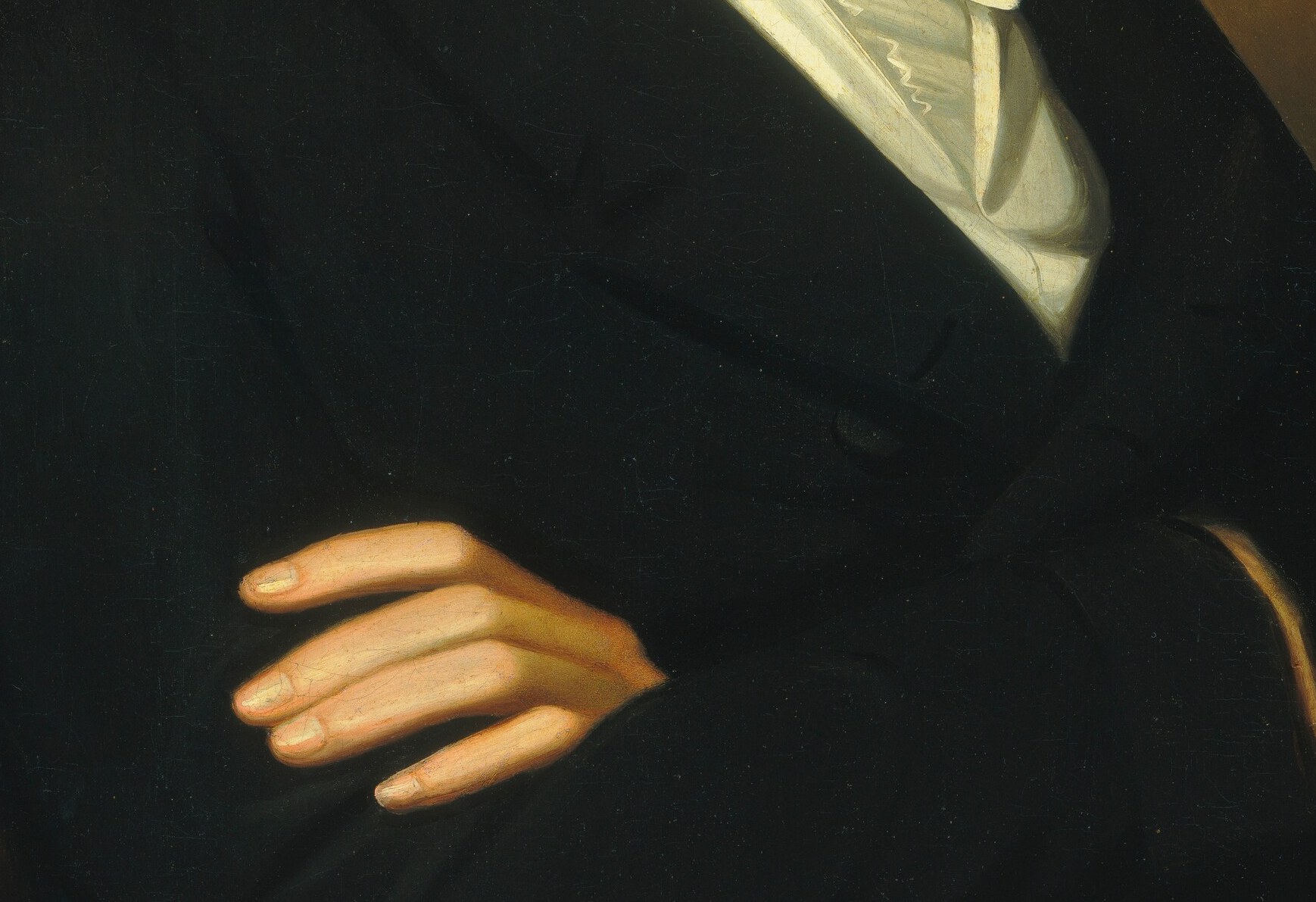
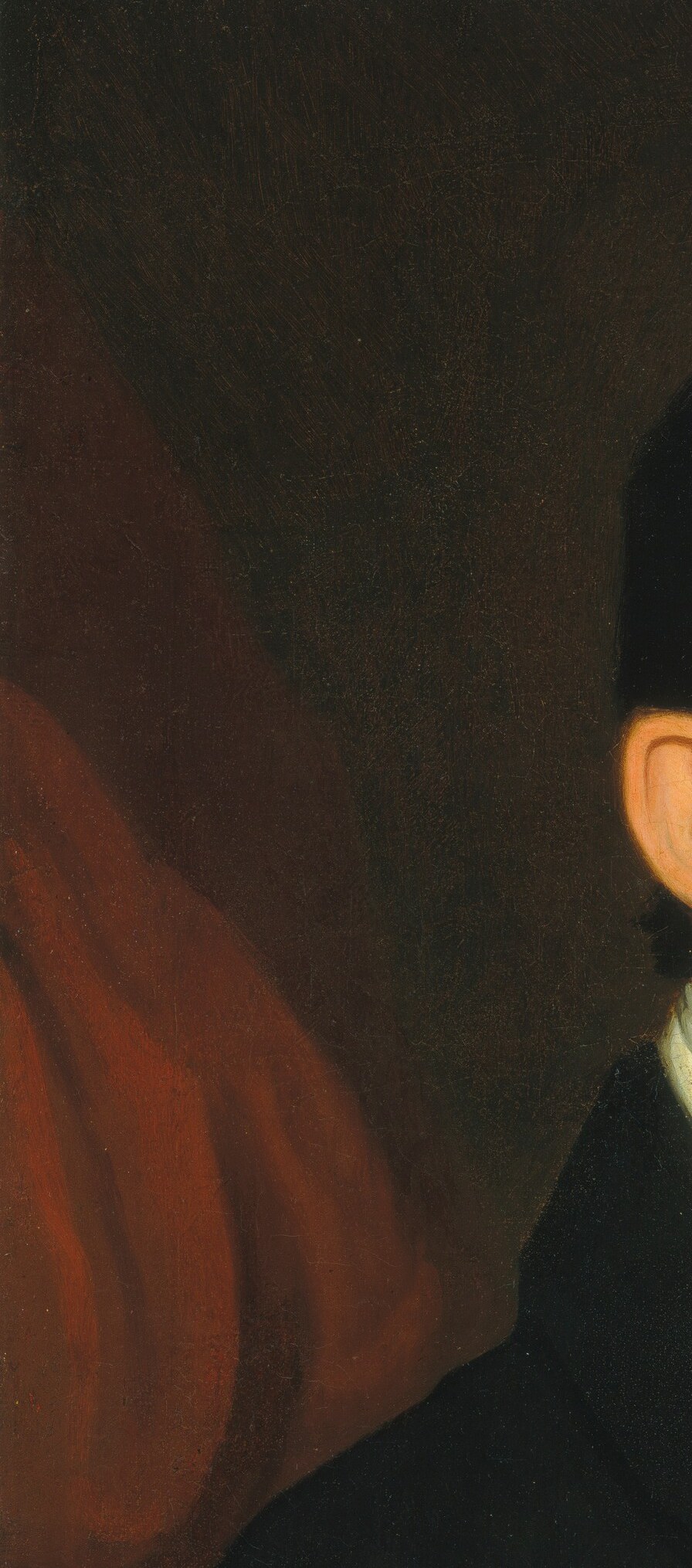
What the jury at the Pennsylvania Academy saw as crude was in fact a provincial American painter working ambitiously within the visual language of European grand-manner portraiture. The crisp white cravat, the stark broadcloth coat, and the crimson drapery in the upper left are all borrowed conventions designed to elevate the sitter into the realm of gentlemen and statesmen. The composition frames the pale face and hand for maximum impact against the graduated dark ground.
The Pennsylvania Academy of the Fine Arts opened its very first annual exhibition in 1811. In 1815, this portrait was submitted and formally rejected. The jury deemed it insufficiently finished for the Academy’s walls. The painter, possibly self-taught or trained outside the academic centers, was shut out of the institution that would define American taste for generations. The sitter, Eliab Metcalf, remains historically elusive despite the painter’s clear effort to grant him permanence and gravity.
Rejection can read as a verdict. Sometimes it reads as a map of who held the gate keys. Look again at the hand resting over the opposite arm, the modeling of the knuckles, the ambition in the fingernail detail. This was not carelessness. This was a painter reaching for something the jury refused to see.
Details
Transcript
Philadelphia, 1815. The Pennsylvania Academy held its first exhibition. A portrait arrived for the jury to judge. Clean cravat. Broadcloth coat. A gentleman of standing. The jury rejected it. Too crude, they said, for the Academy walls. But look at the hand, and the fold of the sleeve. The painter built the knuckles with care few provincial artists attempted. And here: the red drapery. A grand-manner trick from Europe. The jury missed it. This painter knew exactly what he was borrowing.