Untitled by After Hao Cheng
This is a Chinese fan painting from 1018 CE, now mounted as an album leaf. It is attributed to a painter named Hao Cheng, about whom almost nothing is known, and it hangs today in the Metropolitan Museum of Art.
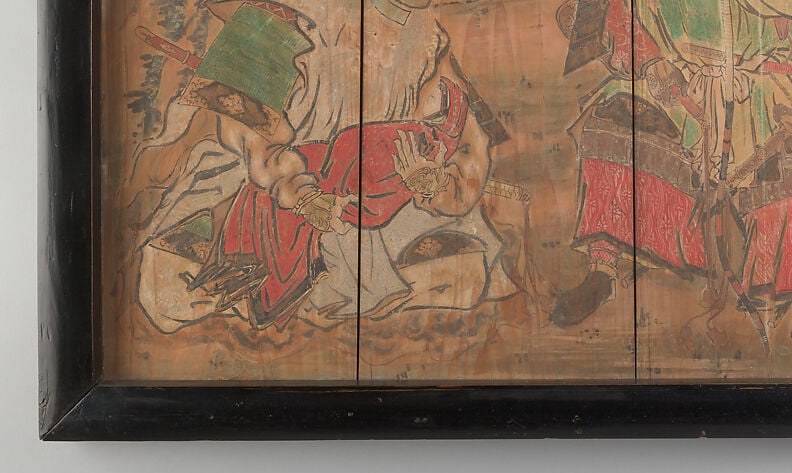
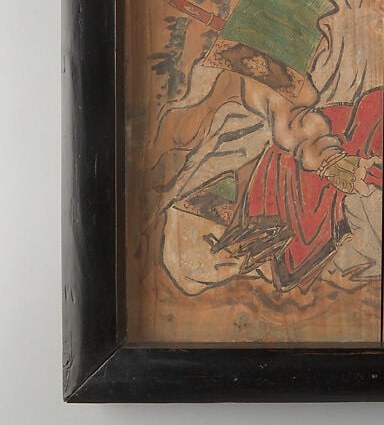
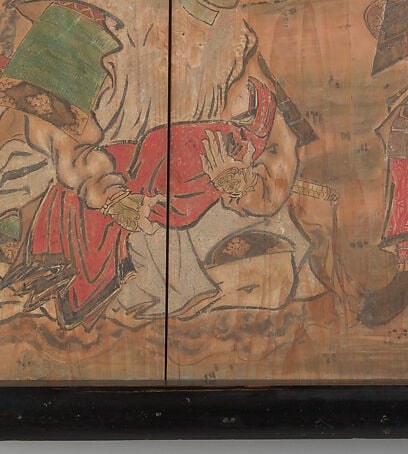
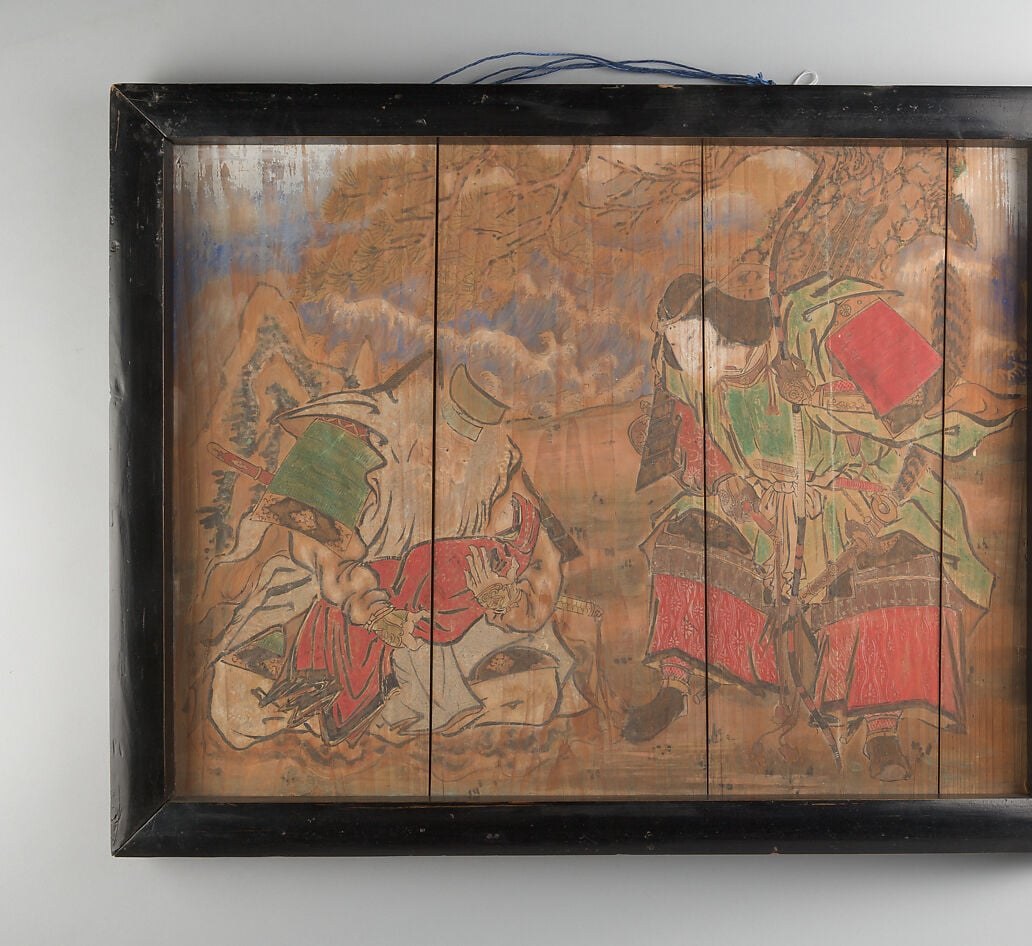
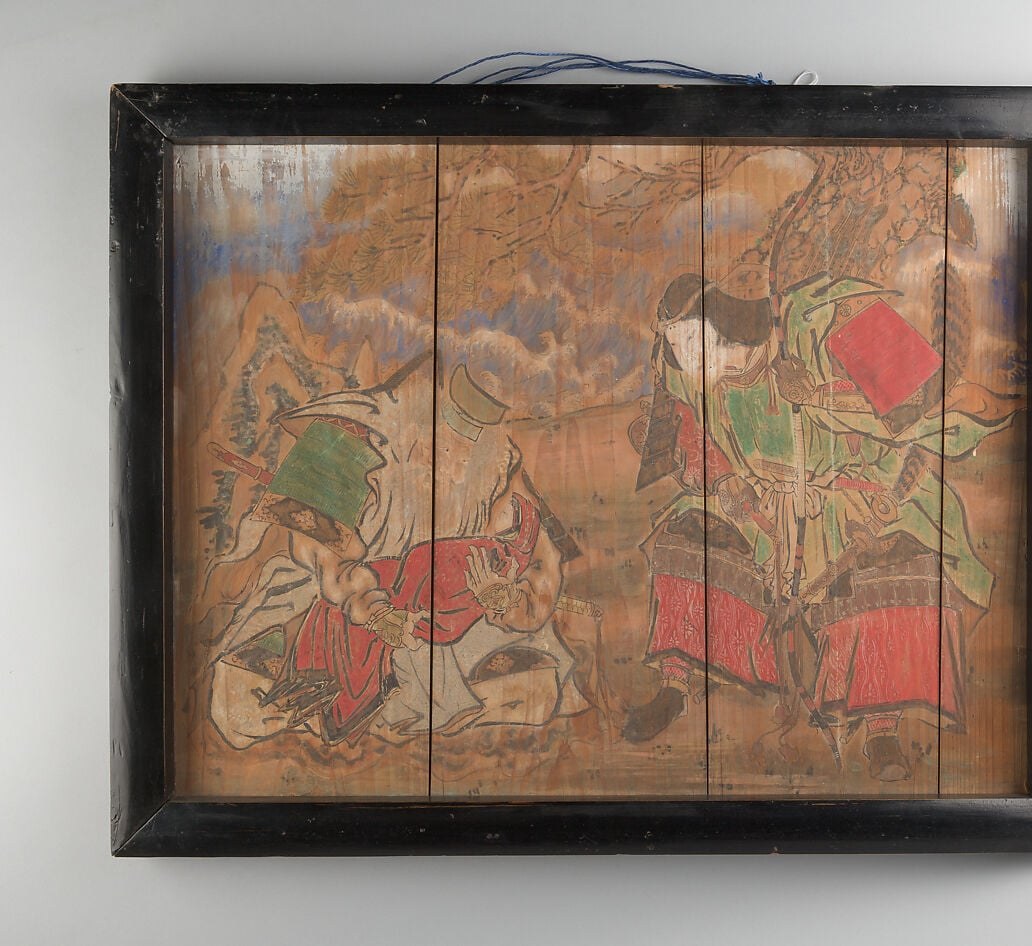
The scene is not mythological or literary. It is a piece of social observation. Three men have been drinking together and are now in various states of collapse: one head drops forward, one body leans out, and in the center a hand still closes around a wine cup. The painter used loose, spontaneous brushwork, the strokes are fast and economical, the kind of marks that register a living moment before it passes. The bare branches overhead place this in late autumn or winter.
In Song Dynasty China, alcohol was a normal feature of social life and artistic gatherings, not a subject for moral censure. Painters routinely depicted convivial drinking as part of the texture of daily existence. This work is valuable less for its technique than for its documentary impulse: it is a candid snapshot, seven hundred years before photography, of a small human event that no one had a reason to record.
The painting survived because someone treasured it enough to mount a used fan into an album, where collectors preserved it across centuries. The red seal and inscription were added later, marking its passage through a long chain of Chinese connoisseurship. Ask yourself: if a stranger painted the most unguarded moment of your week, would you recognize yourself in it?
Details
Transcript
China, 1018. A fan painter records what he sees. Three men drank until they could not sit up. His head has dropped. The body tells you everything. Still clutching the wine cup that did this. Medieval China did not moralize about drink. This is reportage. A thousand years later, the silk still holds the exact instant.