Portrait of Geertruyt, Margriet and Anna Delff, the artist's daughters by Jacob Willemsz Delff the Younger
Painted in 1660 by Jacob Willemsz Delff the Younger, "Portrait of Geertruyt, Margriet and Anna Delff, the artist's daughters" offers a fascinating glimpse into a wealthy Dutch family's life. This oil painting, part of the Rijksmuseum's collection, is more than just a family portrait.
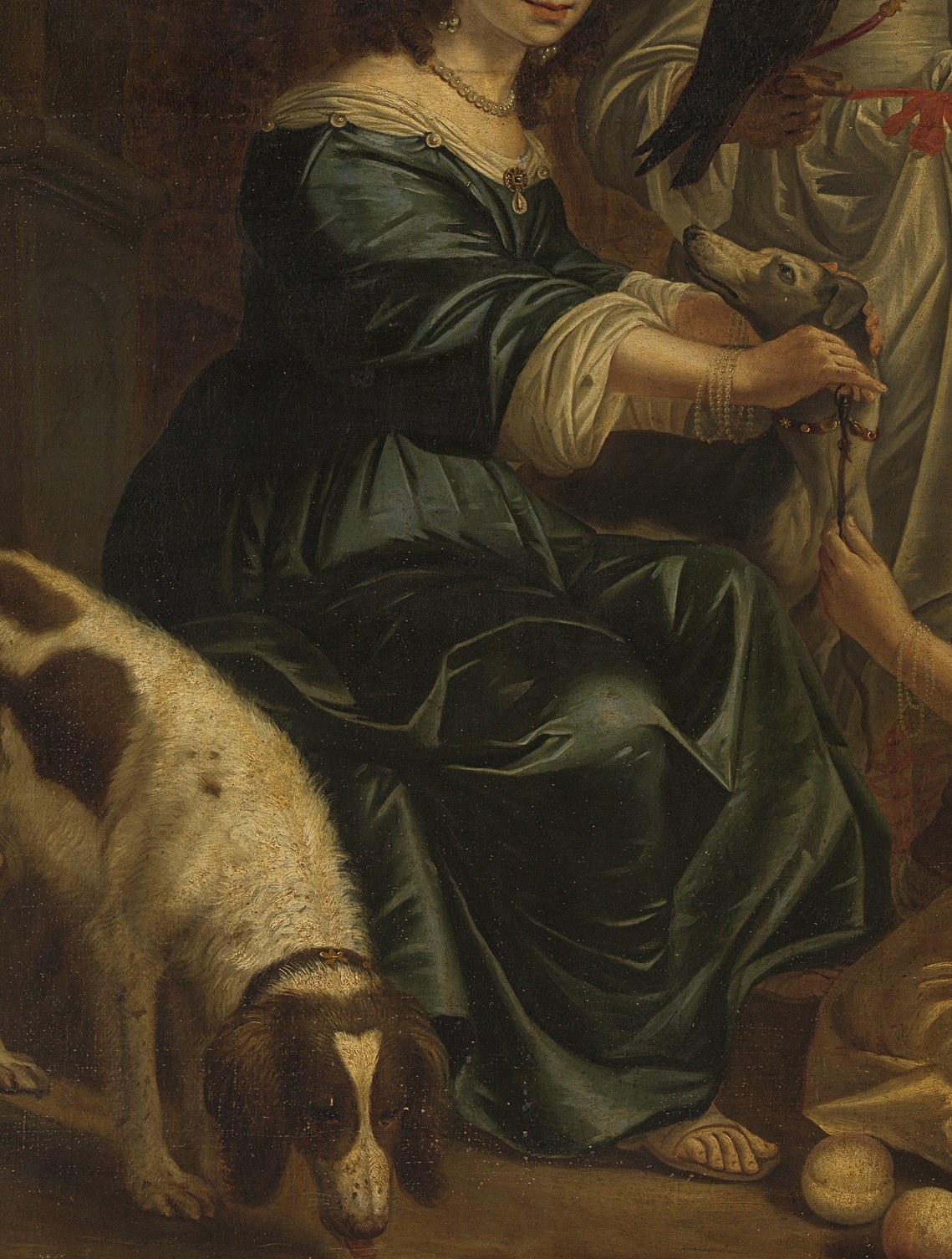
Observe the opulent clothing and the presence of a falcon, an activity reserved for the nobility. The inclusion of a dark-skinned servant and allegorical cherubs further underscores the family's social standing and the values they cherished, such as prosperity and honor.
This work is a key example of mid-17th-century Dutch portraiture, providing valuable historical context through its detailed depiction of domestic life, fashion, and social conventions of the era. It's a window into the past, showing how status and family were presented.
What details do you notice first in this rich historical scene?
Details
Transcript
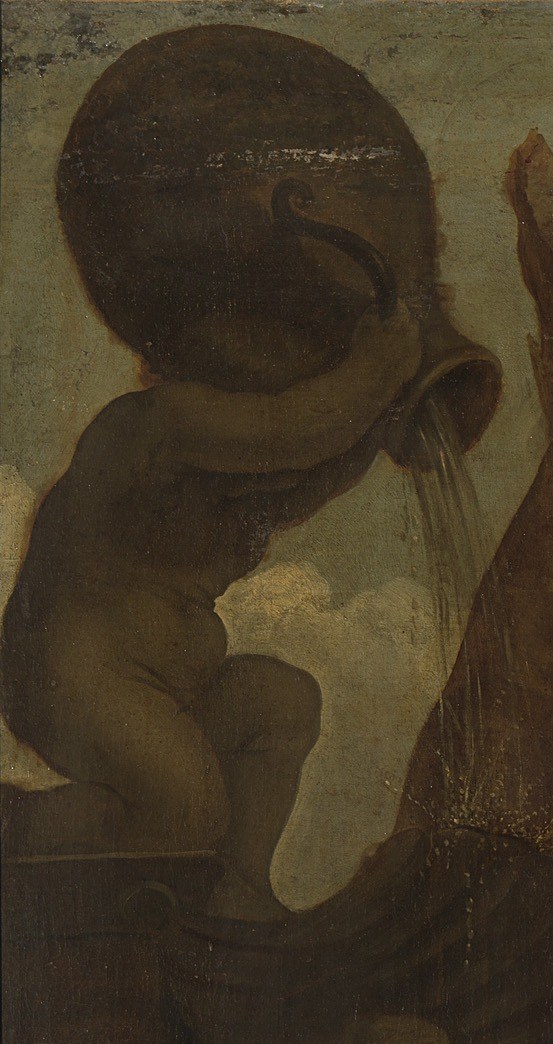
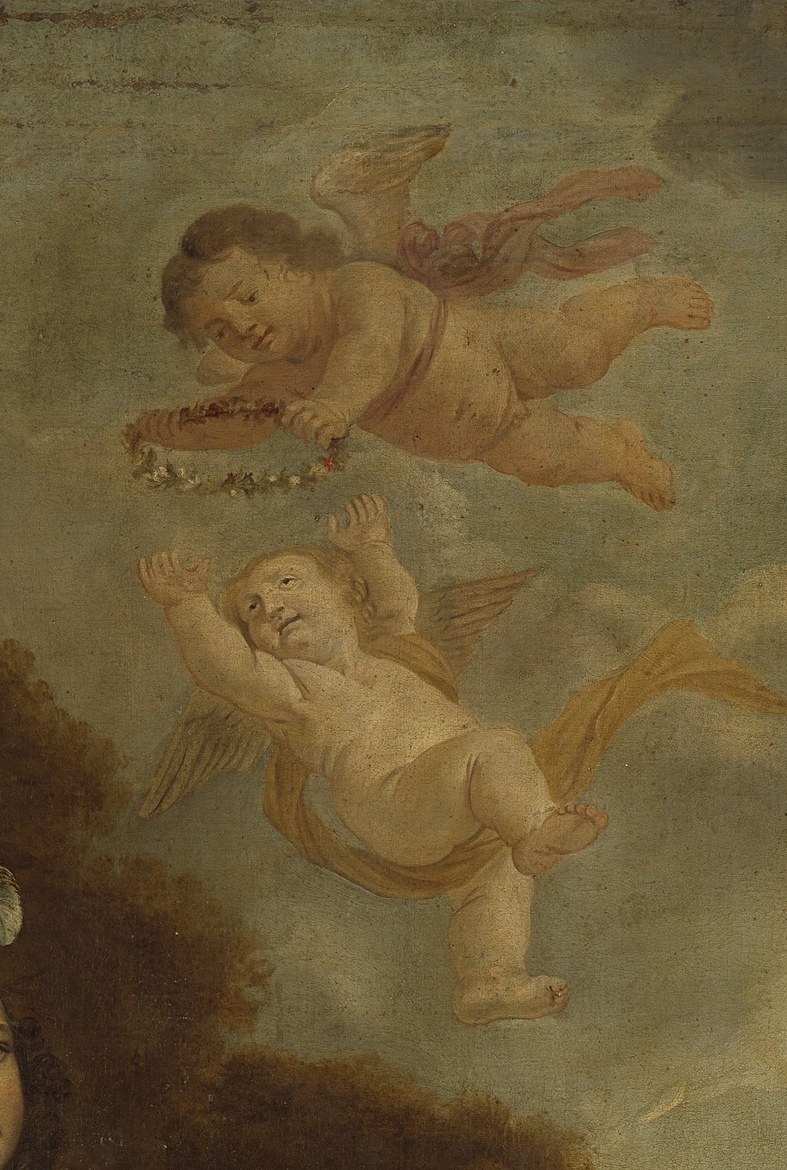
This is a family portrait from 1660 in the Netherlands. The painter's three daughters wear rich fabrics and fine collars. Only noble families practiced falconry in the 17th century. Notice the dark-skinned servant in the background, a sign of status. Above them, cherubs pour water and offer wreaths. They are symbols of blessing and celebration for the family. This painting reveals a Dutch family's wealth and customs.