Mary Bethel Boude (Mrs. Samuel Boude) by West, Benjamin
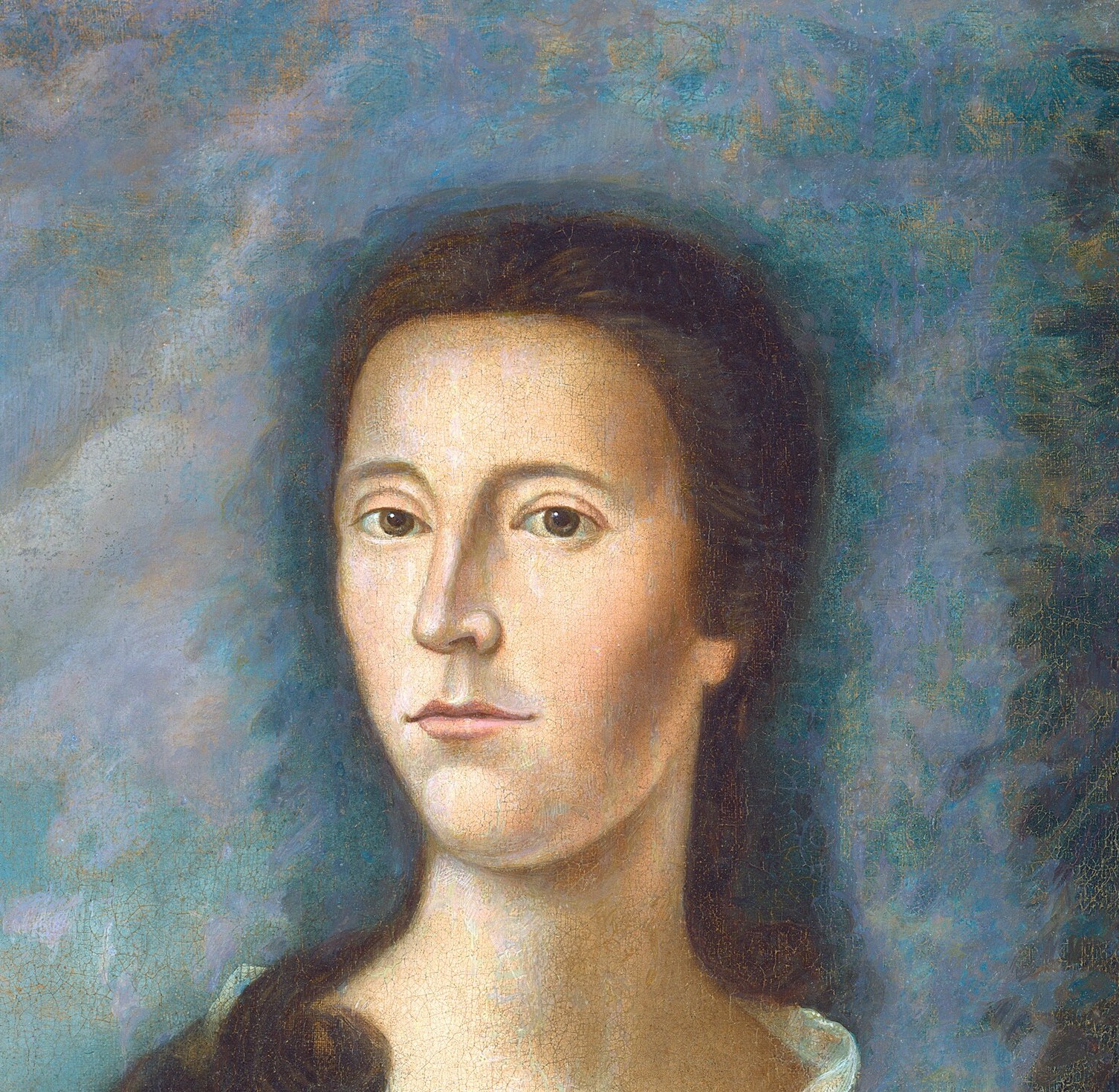
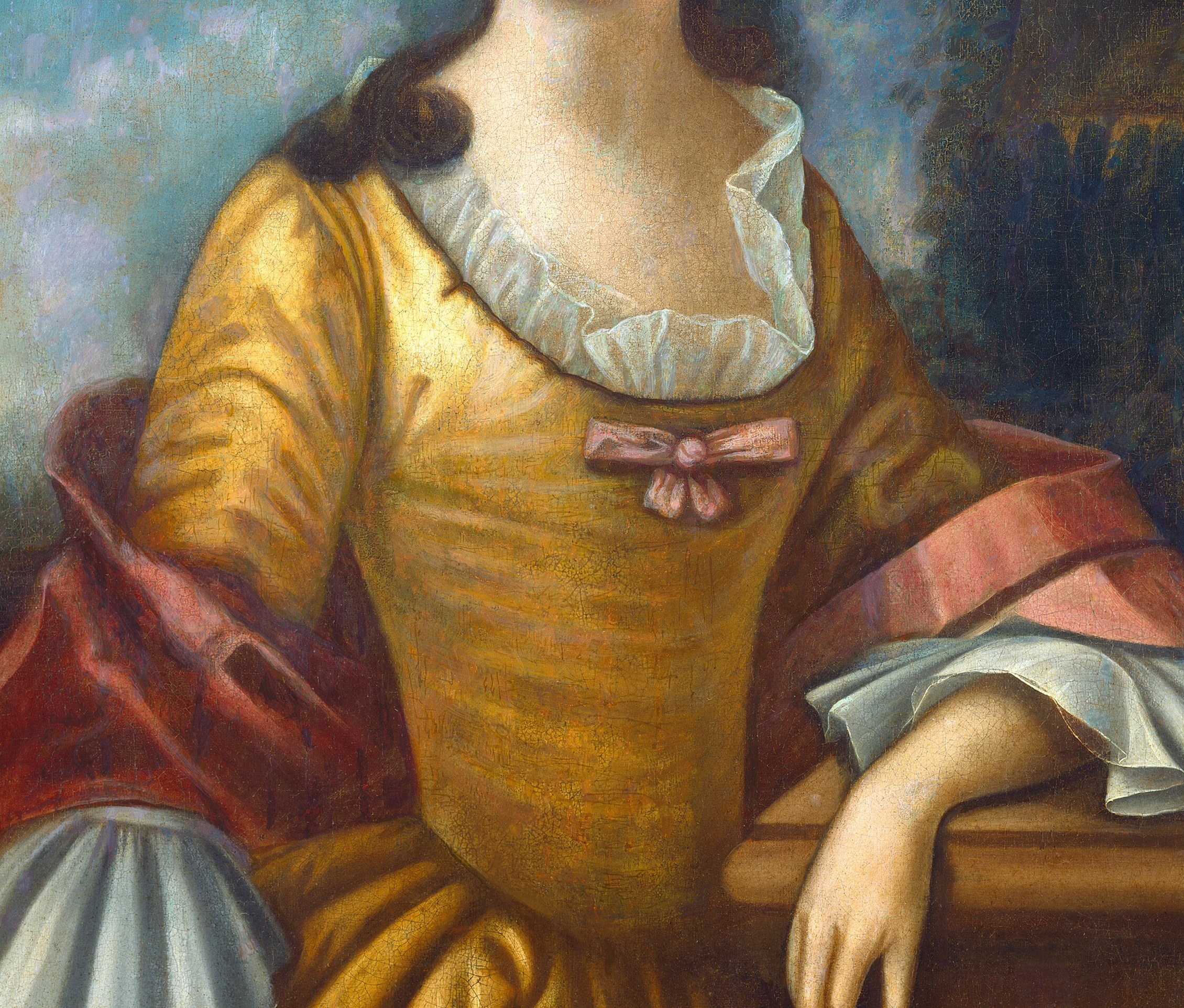
This is Mary Bethel Boude, painted in 1756 by a 17-year-old Benjamin West in Pennsylvania. It hangs today in the collection of the Philadelphia Museum of Art.
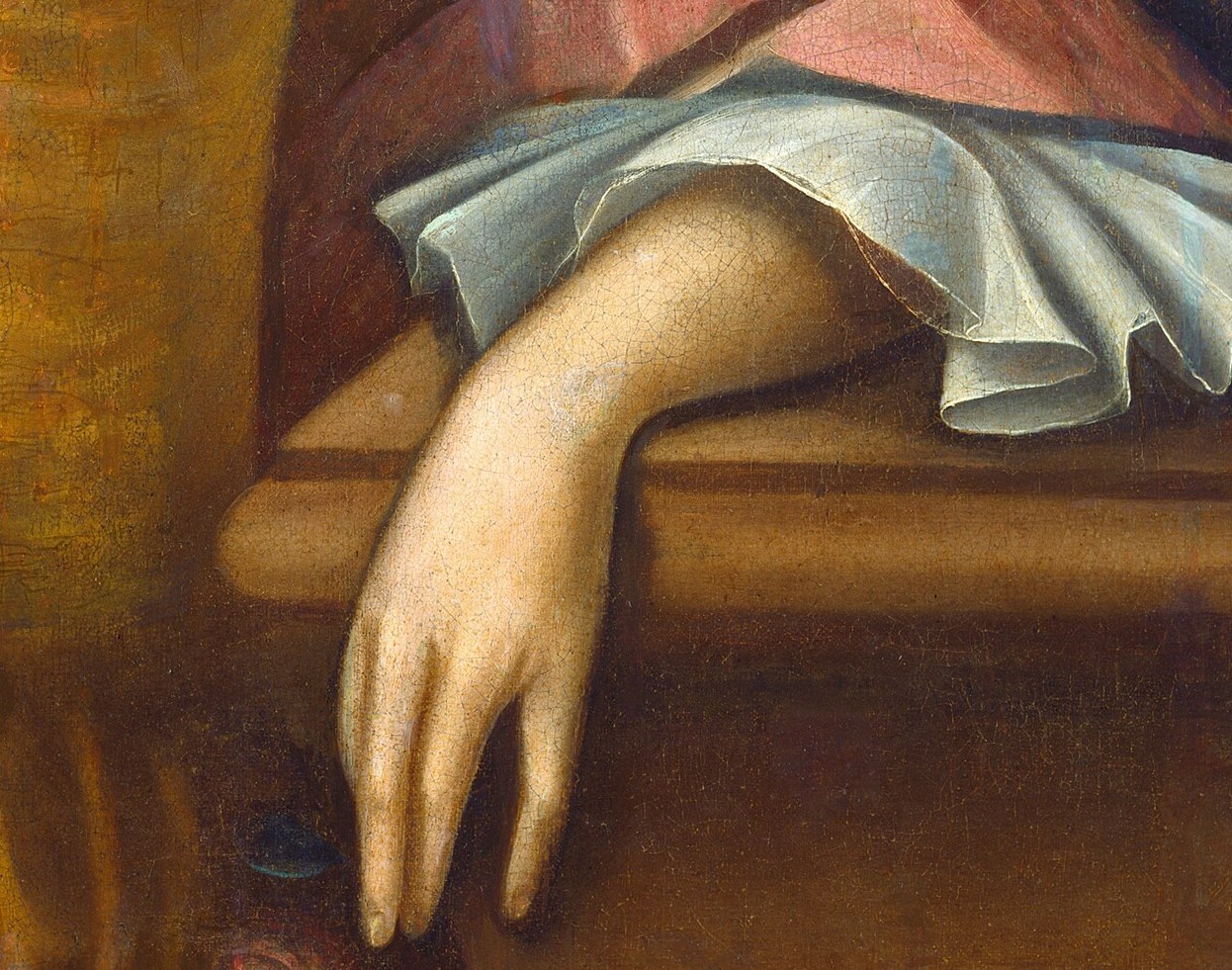
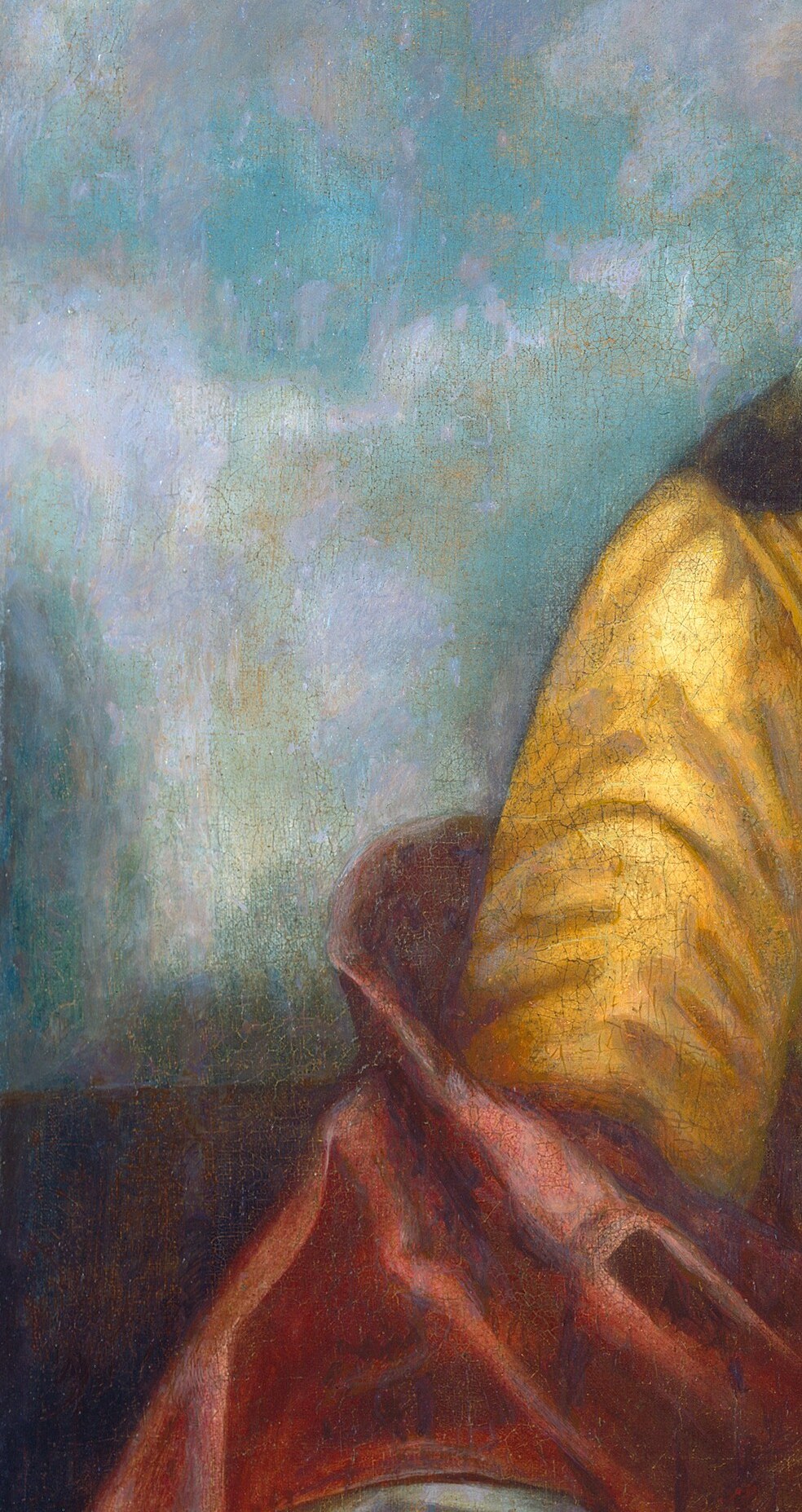
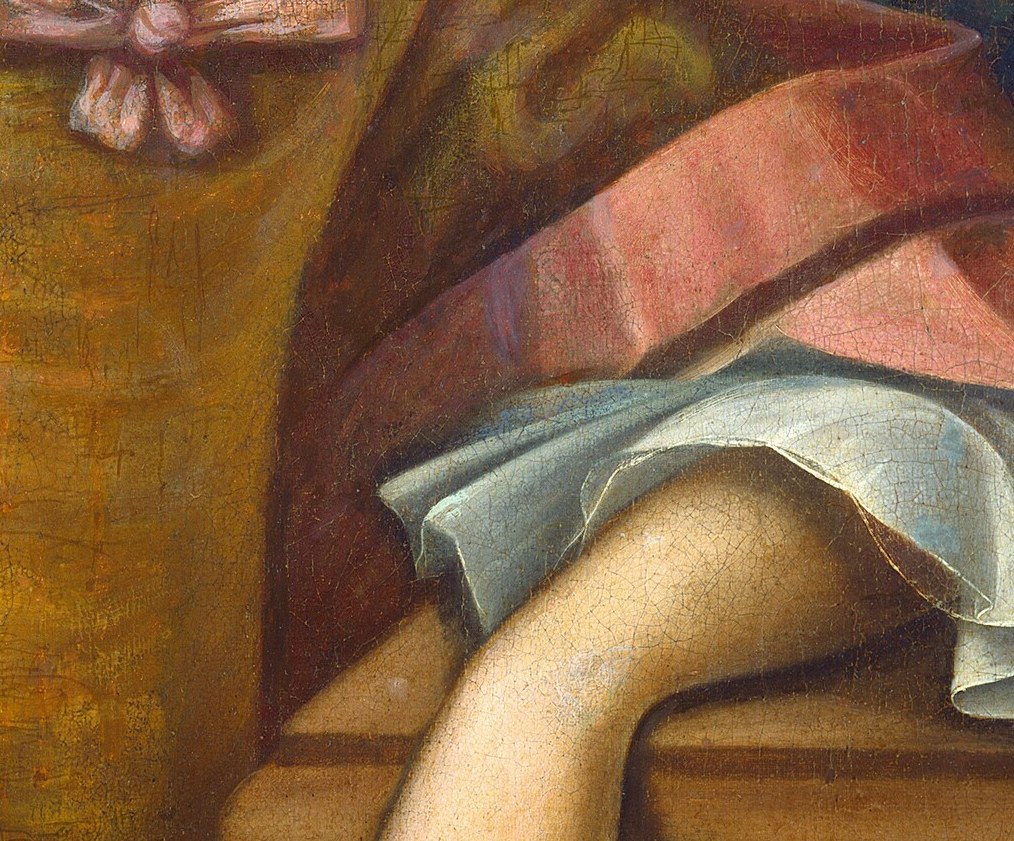
The directness of her gaze is the first thing you notice. West has given her an unusually searching, present quality, something that separates this from the stiffer colonial portraits of the period. Her gold gown and the white lace cuffs signal gentility, but her simply dressed hair, without powder, marks her as provincial rather than courtly. The hand draped over the stone ledge is a classical portrait convention West was borrowing from European masters, still learning the language he would later command.
What makes the painting matter is what it bought. West had no money for the Grand Tour, the essential finish for an 18th-century painter. This portrait impressed a merchant named William Allen, who agreed to fund West's passage to Italy in 1760. From there West went to London, where he became a founding member of the Royal Academy and the official history painter to King George III. He never returned to America.
A portrait of a Pennsylvania gentlewoman, painted by a teenager for a fee that was really a ticket out. It launched the first American artist to achieve international fame.
Details
Transcript
1755. A young painter in Pennsylvania has a problem. He's 17, self-taught, and desperate to reach Europe. So he paints Mary Boude. Her direct stare is his calling card. The portrait works. It impresses a wealthy merchant. The merchant pays his passage. Benjamin West sails for Italy. He never returns. He becomes King George III's favorite painter.