The Virgin and Child by Jan Gossaert
Jan Gossaert, also known as Jan Mabuse, painted *The Virgin and Child* in 1527, a work now held at the Museo del Prado. Gossaert was a pioneer, one of the first Netherlandish artists to travel to Italy, integrating the grandeur of the Renaissance into his Northern European style.
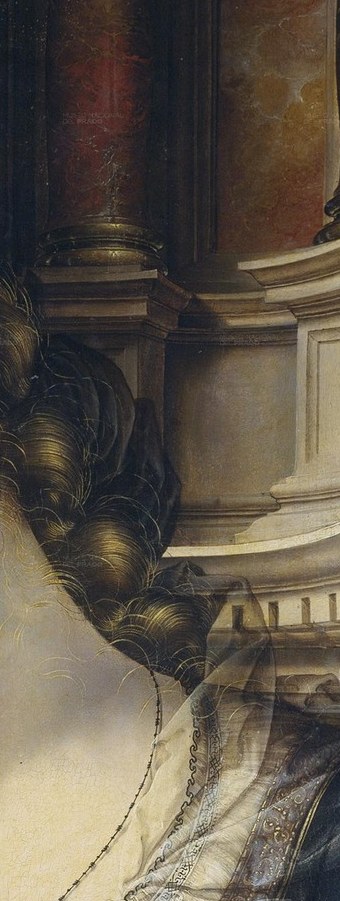
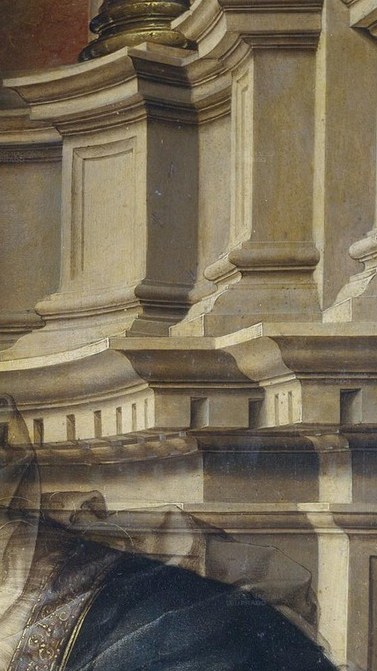
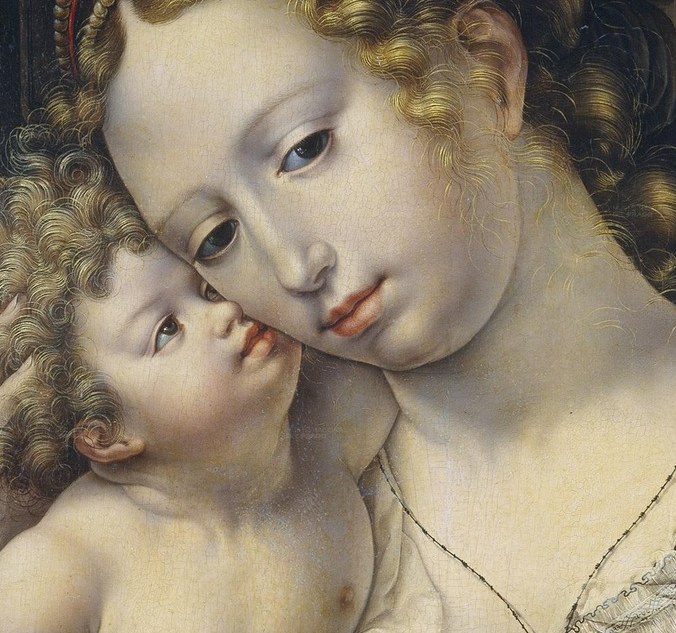
In this painting, observe the architectural details in the background, which reflect Gossaert's absorption of Italian influences. The serene expression of the Virgin Mary and the innocent curiosity of the Christ Child create an intimate scene.
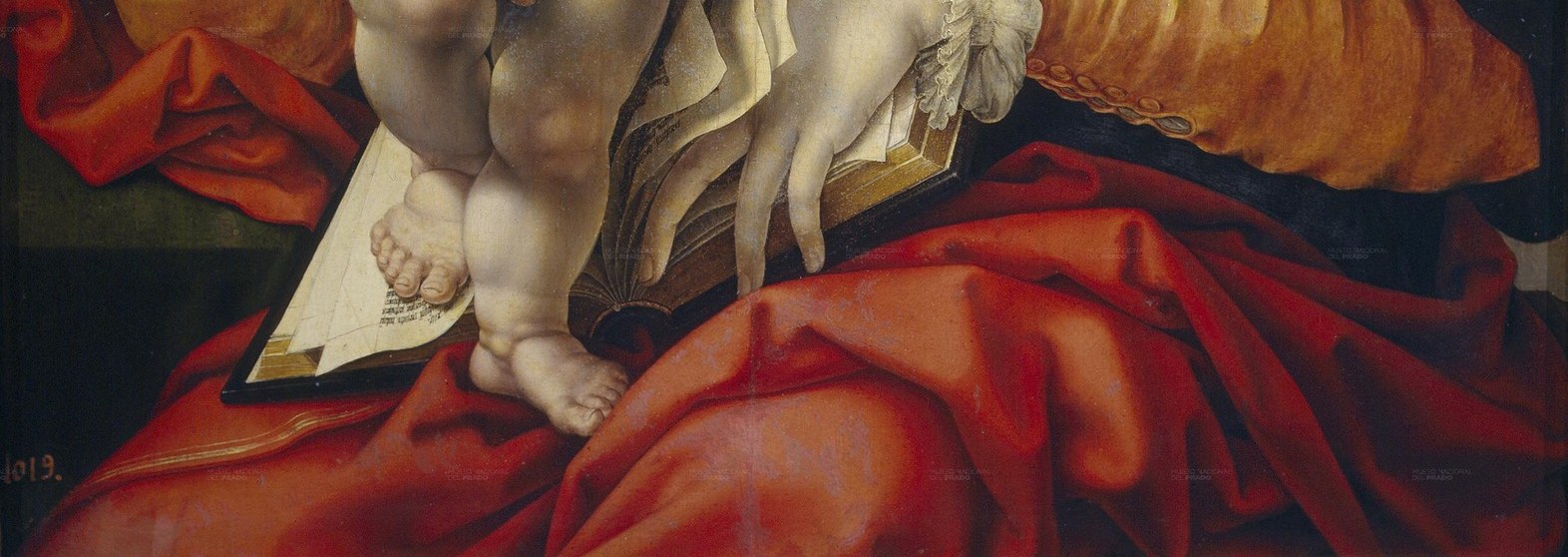
Notice the small green apple held by the Christ Child. This seemingly simple detail carries profound theological meaning, alluding to the Fall of Man and foreshadowing the narrative of redemption. Gossaert's skill in blending these symbolic elements with a realistic approach made him a leader in the Romanism style.
While Gossaert's work often combined northern realism with Italianate forms, this particular painting, despite its rich symbolism, stands as a testament to his balanced approach, causing no documented controversy.
Details
Transcript
This looks like a traditional Virgin and Child, painted in 1527. The artist, Jan Gossaert, was one of the first Northern painters to visit Italy. He blended Northern realism with Italian Renaissance ideals. Look closely at the Christ Child's apple. It symbolizes the Fall of Man and the promise of redemption. A common motif, but this artist's version caused no scandal.