Adoration of the Magi Triptych by Hans Memling
Hans Memling's "Adoration of the Magi Triptych," painted around 1479-1480, is a masterful oil on panel work housed in the Prado Museum in Madrid. This triptych, also known as the Prado Triptych, showcases Memling's rich palette and detailed rendering.
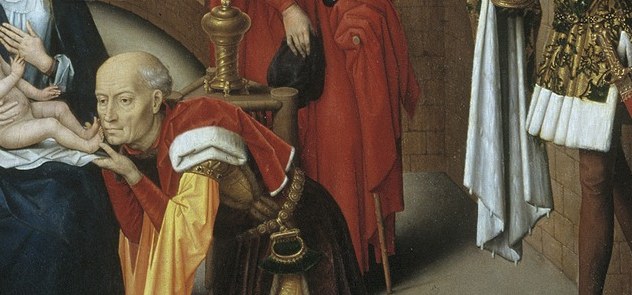
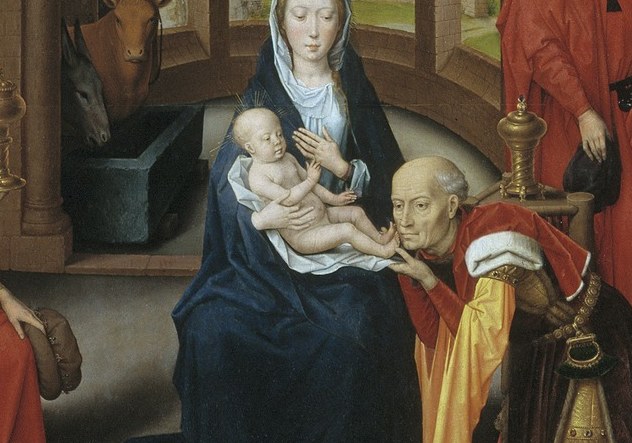
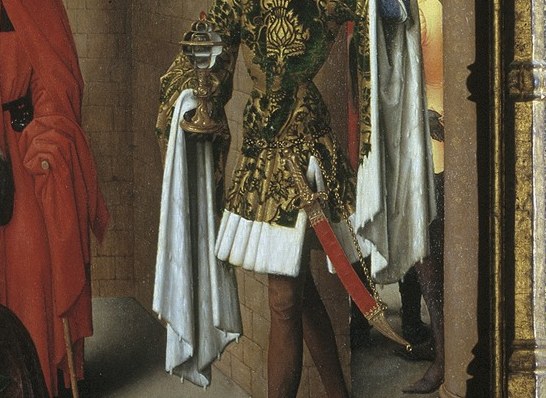
The central panel depicts the Adoration of the Magi, a scene bustling with figures in opulent attire gathered around the Virgin and Child. Notice the intricate fabrics and vibrant colors, particularly on the robes of the Black Magus. The artist's use of varied postures creates a dynamic yet serene composition.
Memling was a prominent German-Flemish painter known for his Early Netherlandish style. The triptych became part of the Prado Museum's collection in 1847, solidifying its place among important European masterpieces. Art historians continue to discuss its precise dating, with some suggesting an earlier completion around 1470.
What details do you find most striking in this richly narrative painting?
Details
Transcript
This triptych tells the story of Christ's early life. It was painted by Hans Memling around 1479-1480. Look at the elaborate fabrics and rich colors of the Magi. The kneeling Magus offers a precious gift. Its central panel measures over a meter high. The painting entered the Prado Museum collection in 1847. Its luminous oil technique was characteristic of Memling's work.