Nathaniel Hurd by John Singleton Copley
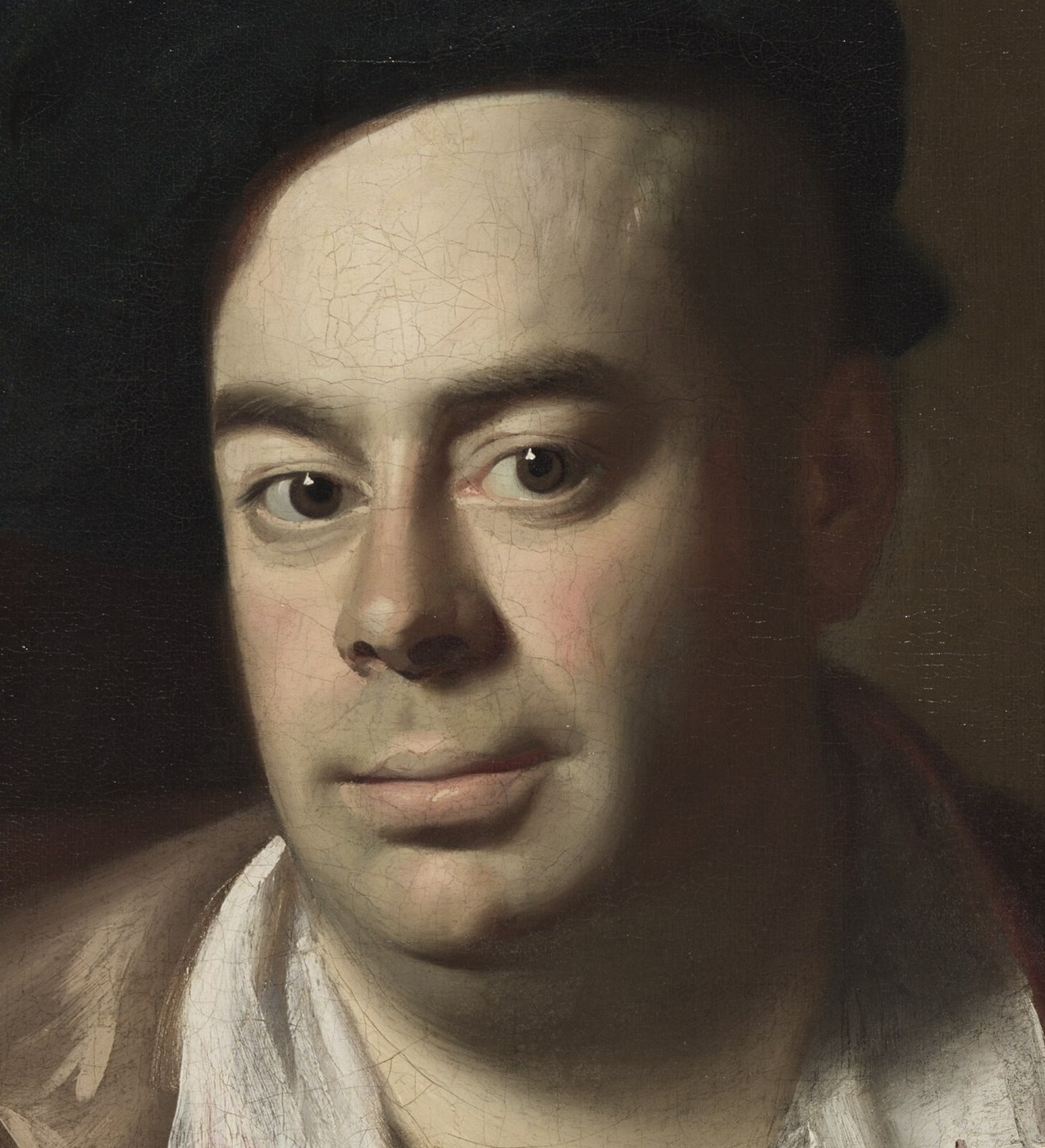
John Singleton Copley's 1765 portrait of Nathaniel Hurd captures more than just a likeness; it hides a fascinating detail that speaks to the sitter's craft.
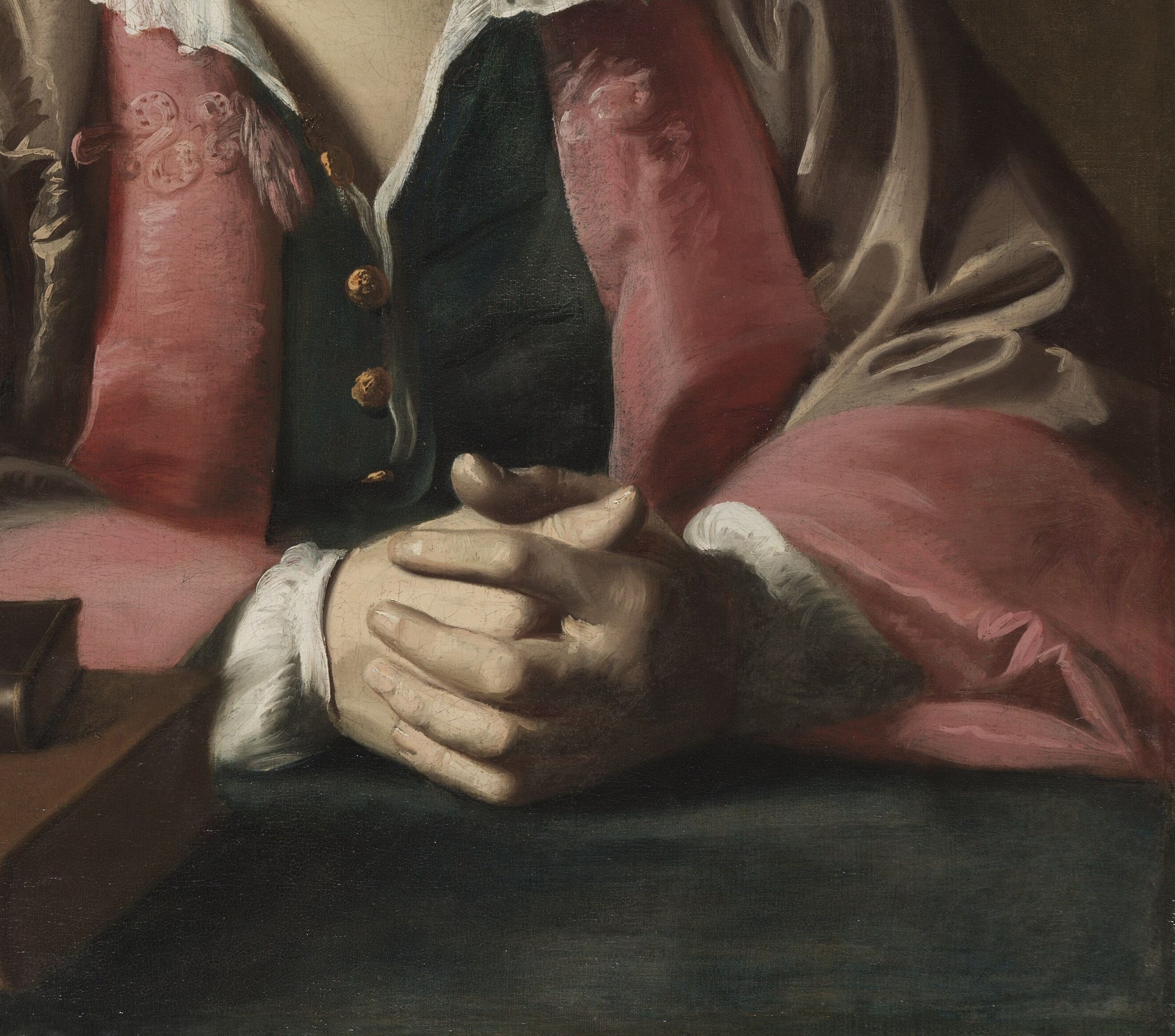
Nathaniel Hurd was a prominent silversmith and engraver in colonial Boston. Copley, known for his meticulous detail, subtly incorporated an example of Hurd's own work into the painting itself. Look closely at the intricate, embossed pattern on Hurd's red cuff, it's believed to be a design created by Hurd himself, serving as a quiet advertisement or personal touch within the formal portrait.
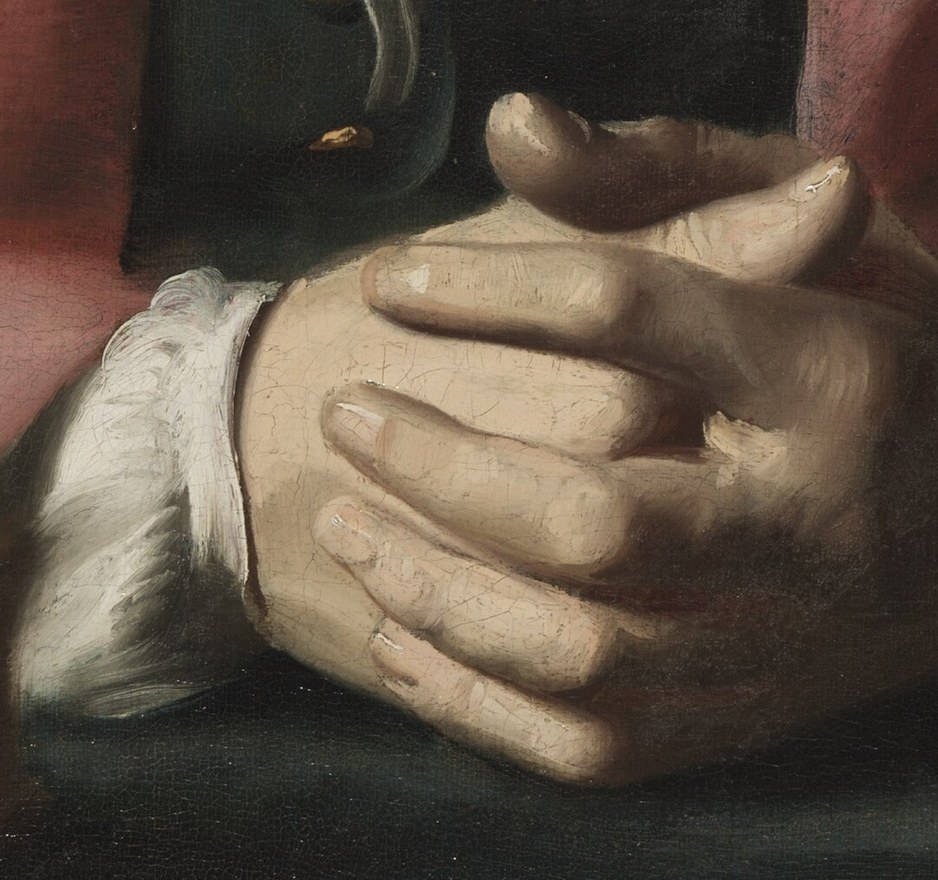
Copley, an American-born painter who later moved to London, was celebrated for his ability to render textures and individual character. This painting, part of The Cleveland Museum of Art's collection, is a prime example of his skill and the rich stories embedded in his works.
What other hidden details do you think artists included in their portraits?
Details
Transcript
This is Nathaniel Hurd, painted in 1765. He was a Boston silversmith and engraver. The painter was John Singleton Copley, a master of detail. Look closely at his vivid red cuff. The intricate trim is a signature of his own work. A secret advertisement woven into his portrait.