Old Woman Saying Grace, Known as ‘The Prayer without End’ by Nicolaes Maes
Nicolaes Maes's "Old Woman Saying Grace, Known as ‘The Prayer without End’" from 1656, now at the Rijksmuseum, offers a serene glimpse into 17th-century Dutch domestic life and piety.
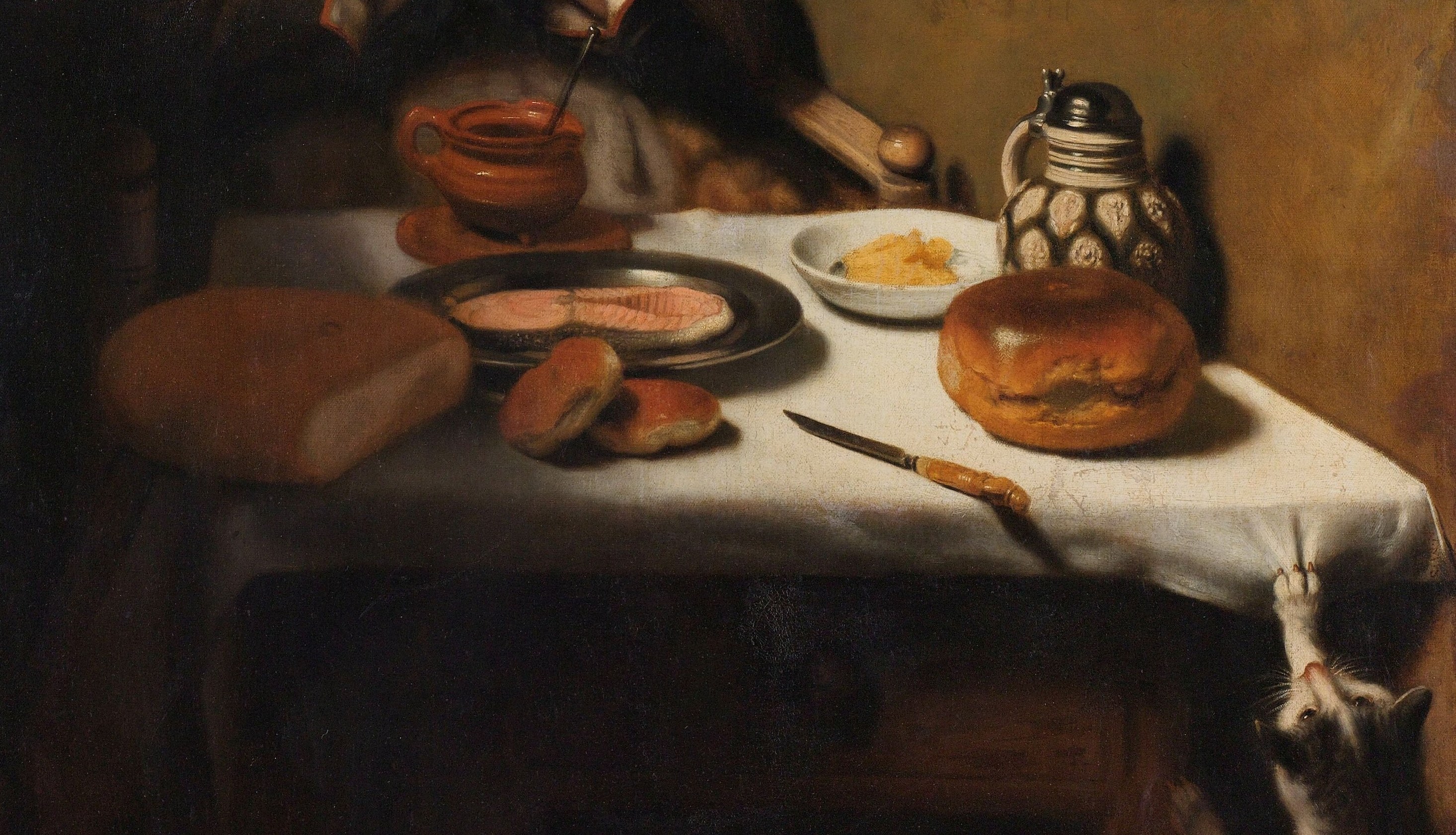
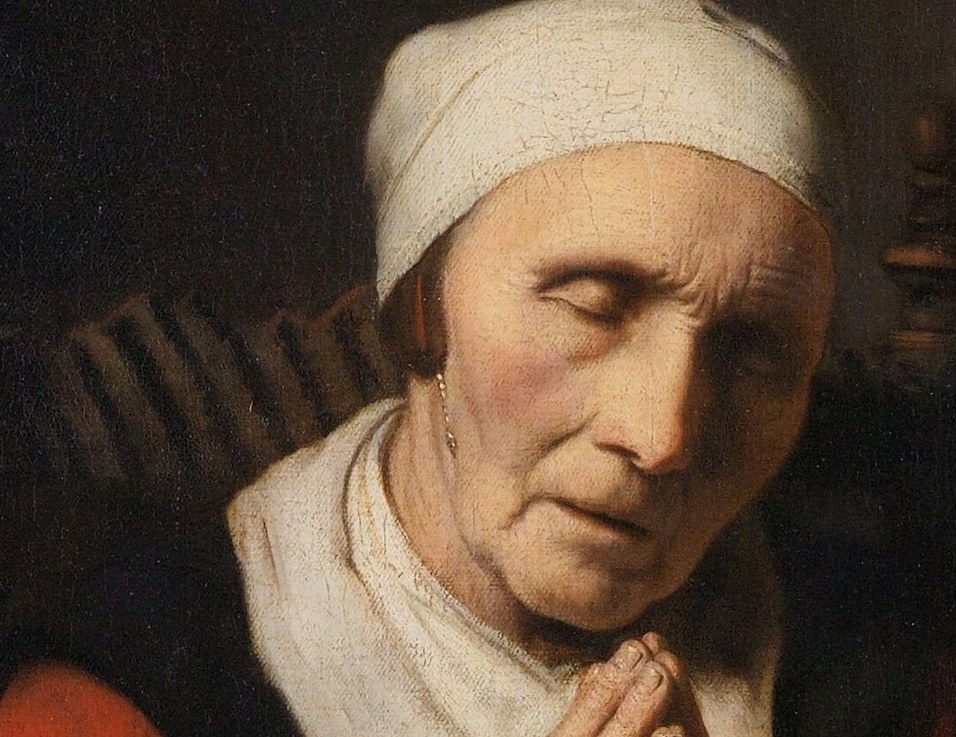
The painting captures an elderly woman in quiet devotion, her hands clasped and eyes closed in prayer before a modest meal. The artist's use of light highlights her face and hands, emphasizing her contemplative state, while everyday objects like a loaf of bread, sliced fish, and a metal pitcher root the scene in reality.
Maes, a student of Rembrandt, specialized in these genre scenes during his early career in Dordrecht before becoming a prominent portrait painter in Amsterdam. This work exemplifies the Dutch Golden Age's focus on depicting the lives and values of ordinary people, underscoring a continuous state of gratitude, as its alternative title suggests.
It makes you wonder, what daily rituals offered solace in homes like hers?
Details
Transcript
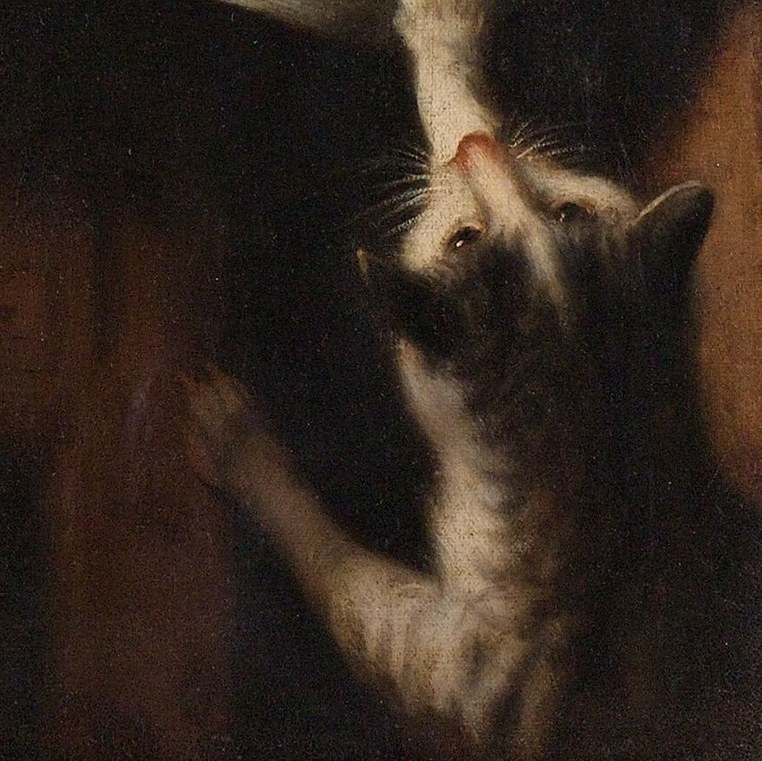
In 1656, this painter captured a quiet moment of devotion. She offers grace before a simple, everyday meal. Her clasped hands and closed eyes show deep concentration. This genre painting was called 'The Prayer without End'. Such scenes of domestic piety were popular in the Dutch Golden Age. Even a playful cat cannot disturb her moment.