Madonna of Humility (Madonna dell'Umiltà) by Giovanni da Francia
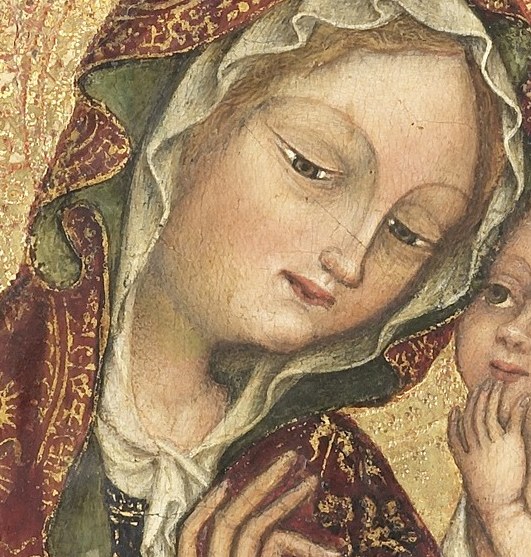
Giovanni da Francia's "Madonna of Humility," painted around 1450 and held at the Rijksmuseum, is more than just a tender depiction of mother and child. It's a masterclass in symbolic detail, reflecting the era's devotional practices.
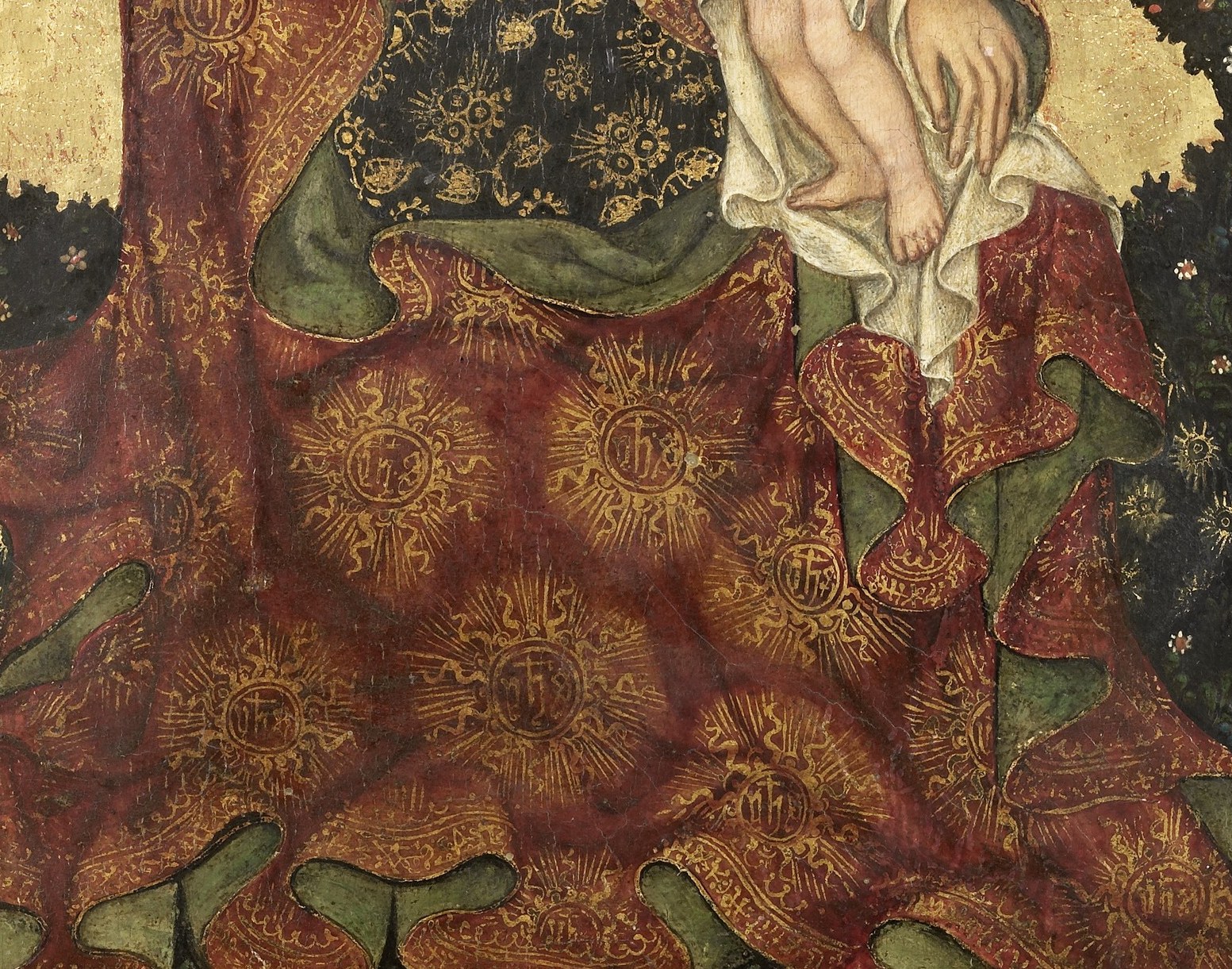
Notice the Virgin Mary's pose, seated on the ground. This 'Madonna of Humility' iconography emphasizes her modesty and accessibility. Her richly patterned robe is not just decorative; its intricate sun-like motifs subtly signify divine radiance and her heavenly status.
The painting, executed in egg tempera, showcases fine, controlled brushwork, creating delicate layers of pigment. Giovanni da Francia, a Bolognese artist, created this work for private devotion, and it entered the Rijksmuseum's collection in the early 20th century.
What other hidden meanings do you find in Renaissance art?
Details
Transcript
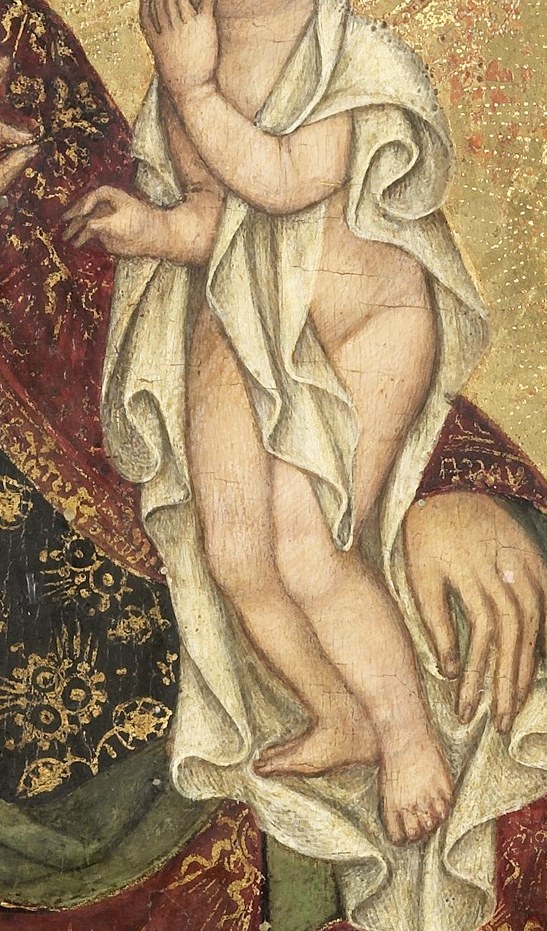
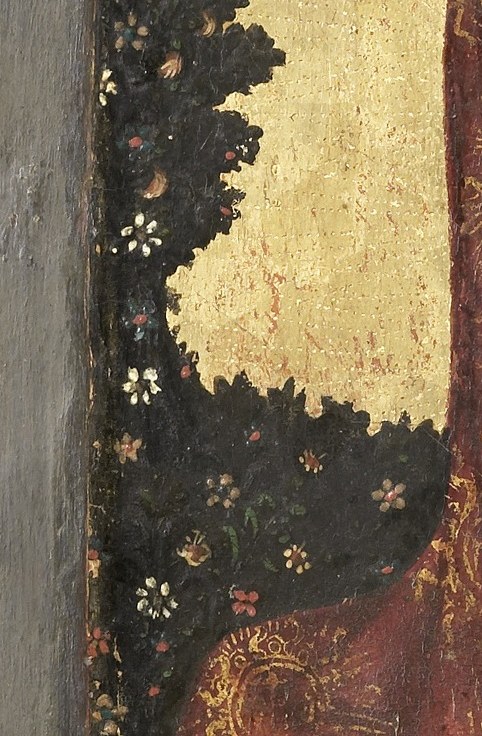
This painting from 1450 depicts the Virgin Mary and Christ Child. Mary is seated on the ground, a pose called the 'Madonna of Humility'. Her robe has a richly patterned gold brocade. Look closer at the intricate sun-like motifs within the pattern. These symbolize divine radiance and her heavenly status. The simple white diaper on the child emphasizes his purity. Even the delicate floral borders add depth to this divine scene.