Fruit, Jug, and a Glass by Chardin, Jean Siméon
Jean Siméon Chardin's "Fruit, Jug, and a Glass," painted around 1727, holds a fascinating secret: it was hidden from Nazi forces during World War II. This oil on canvas still life, now a celebrated work in a major museum, spent years in rural French hiding to protect it from wartime looting.
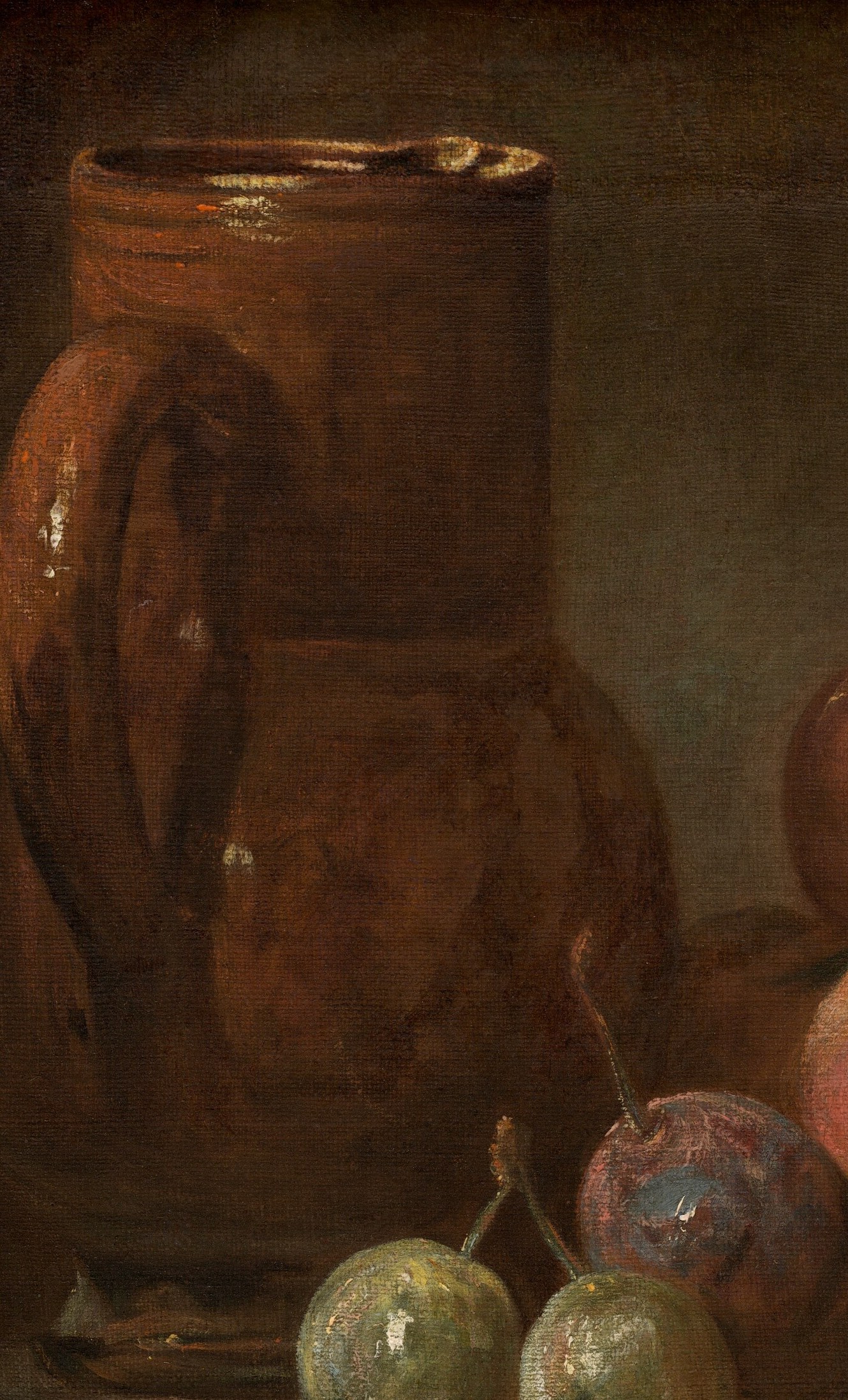
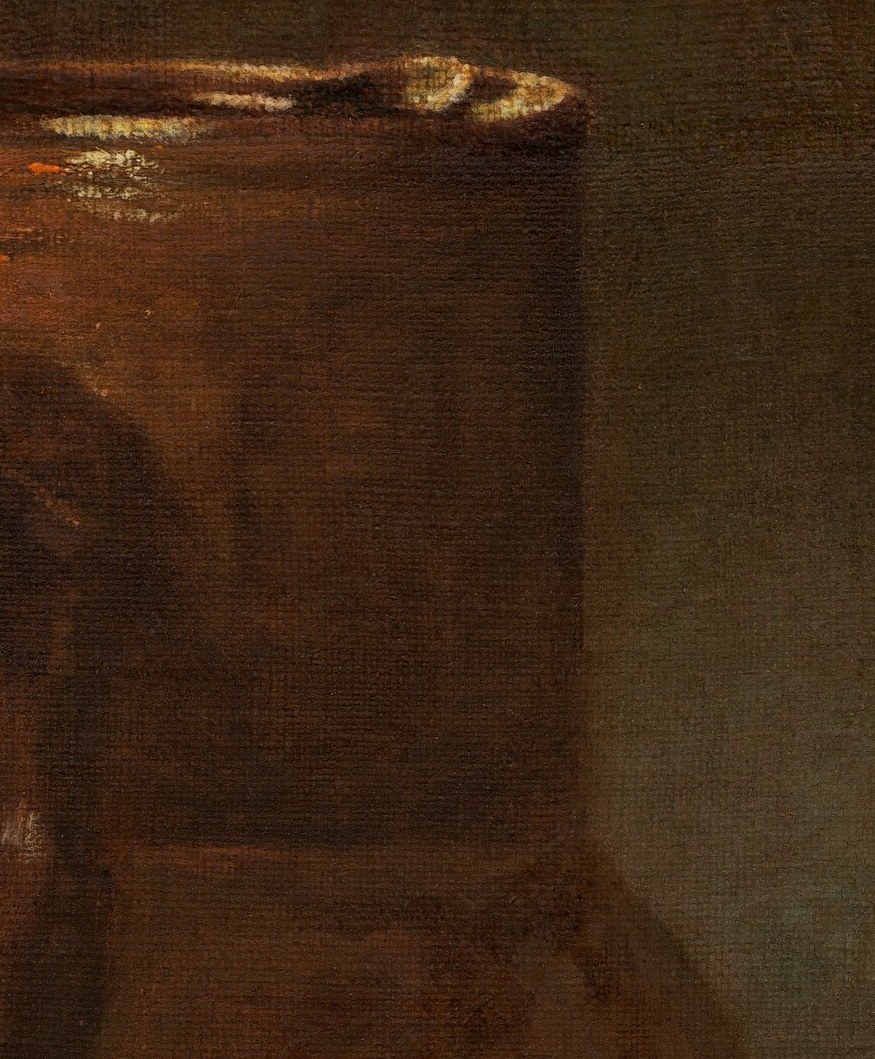
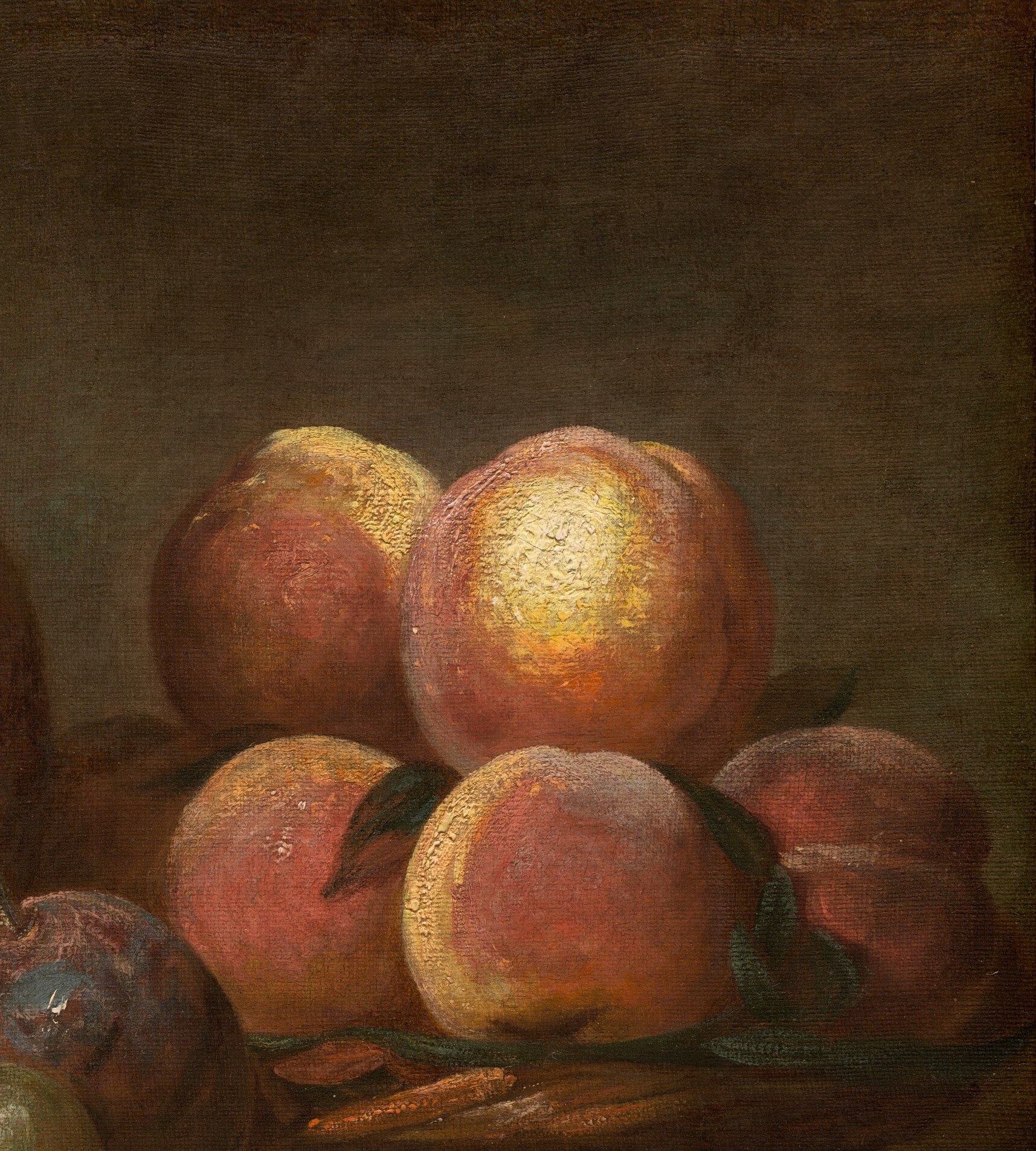
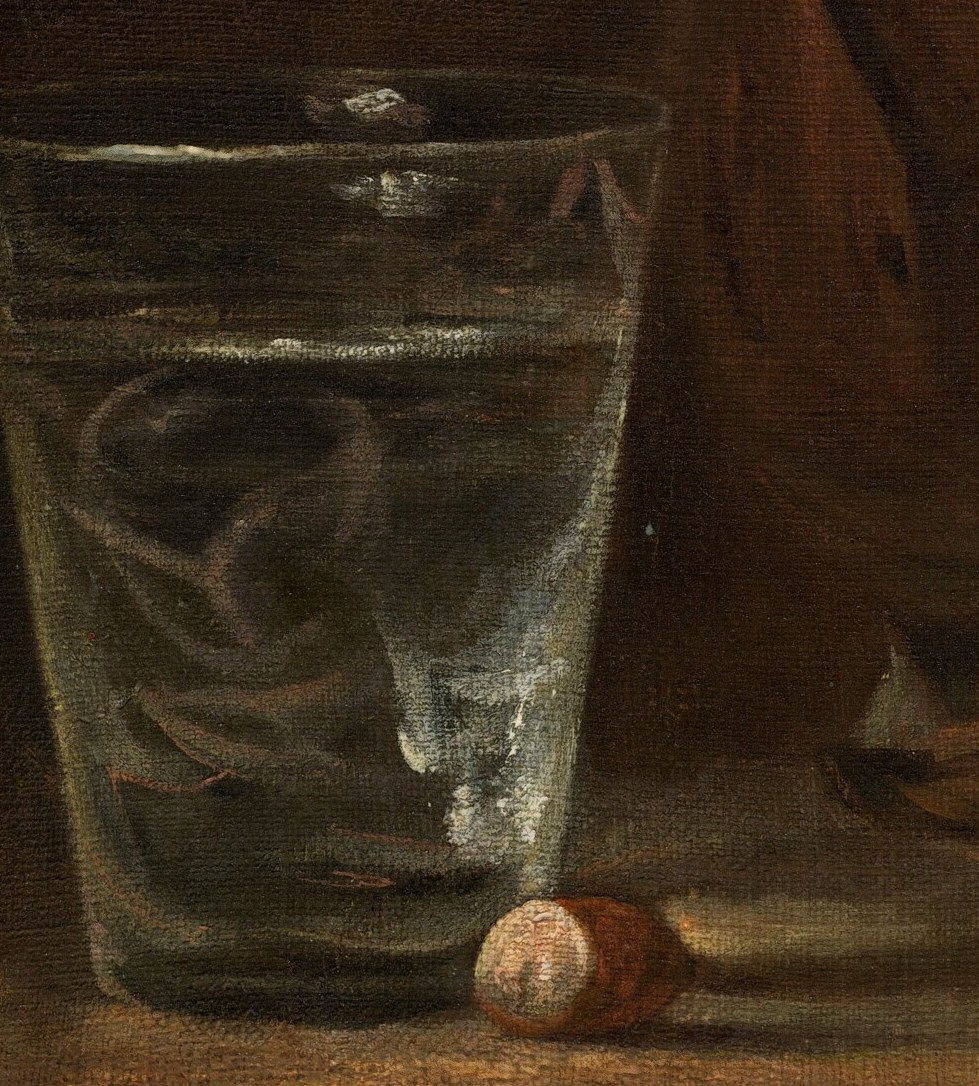
Chardin, a master of the still life, transforms everyday items into objects of quiet beauty. Look closely at the ceramic jug and the delicate play of light on its glazed surface, or the tactile rendering of the peaches, contrasting with the clear glass. His meticulous attention to light and texture elevates the mundane to the magnificent.
This painting's journey through wartime peril and eventual recovery makes its appreciation even richer. It reminds us of the power of art to endure, and the efforts made to preserve cultural heritage against all odds.
What other secrets might paintings hold?
Details

Transcript
This painting was hidden from Nazis during World War II. It was kept safe in a secret location in rural France. Chardin elevates common objects, like this humble ceramic jug. Notice the subtle light reflecting on its glazed surface. After the war, it was recovered and became a national treasure. A testament to simple beauty, rediscovered and protected.