Portrait of Adriaen Paets, Director of the Rotterdam Chamber of the Dutch East India Company, elected 1734 by Dionys van Nijmegen
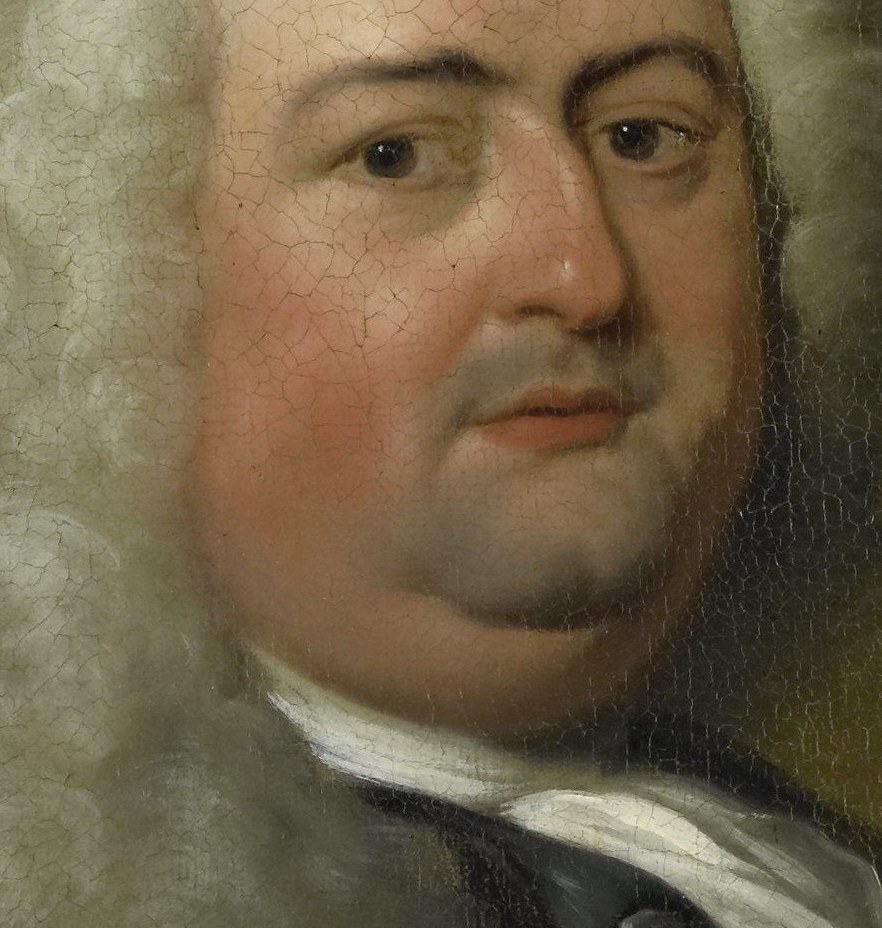
This formal portrait of Adriaen Paets, painted by Dionys van Nijmegen around 1750, captures the essence of a powerful 18th-century Dutch merchant. Paets was a director of the Rotterdam Chamber of the Dutch East India Company, elected in 1734, holding significant influence in global trade.
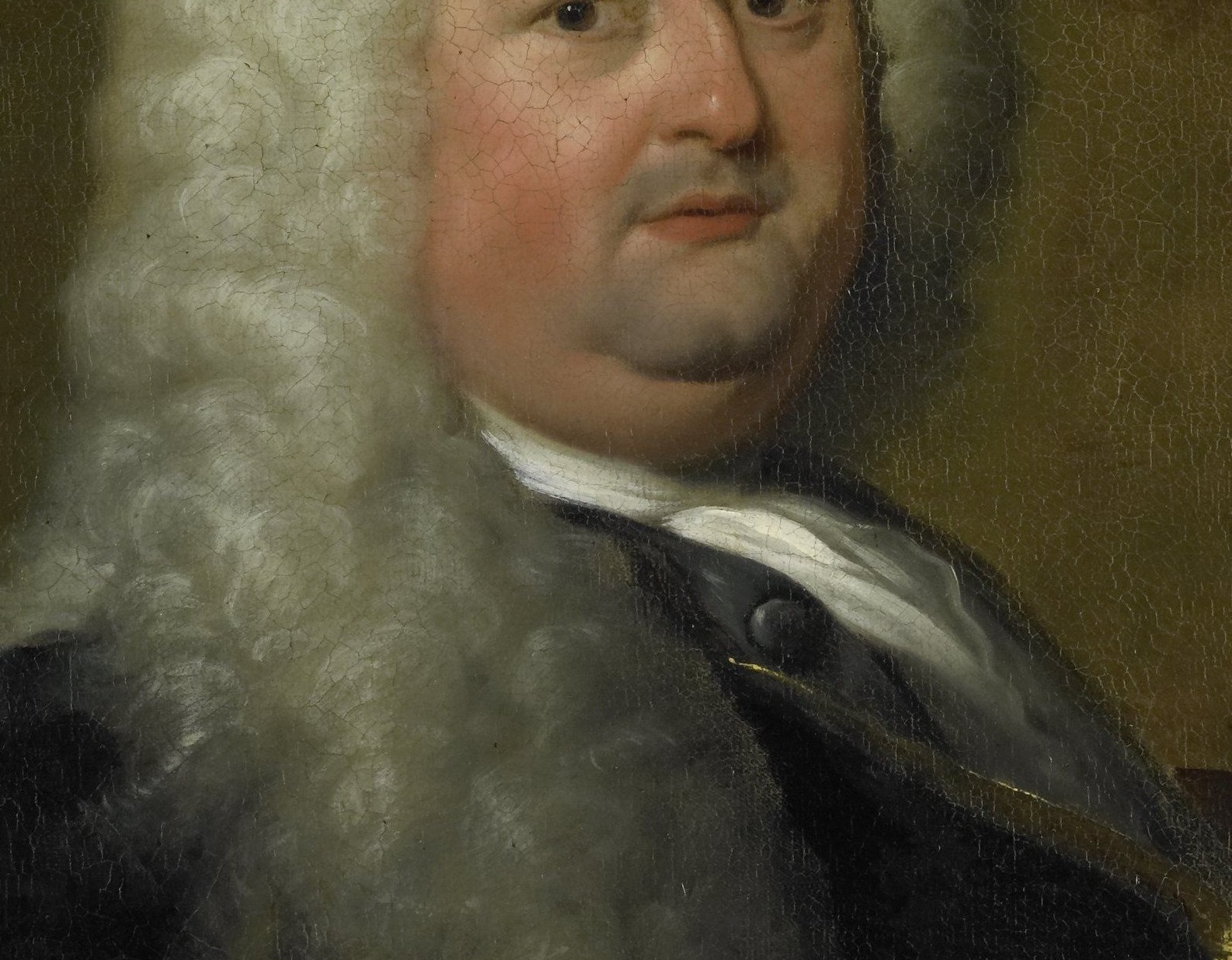
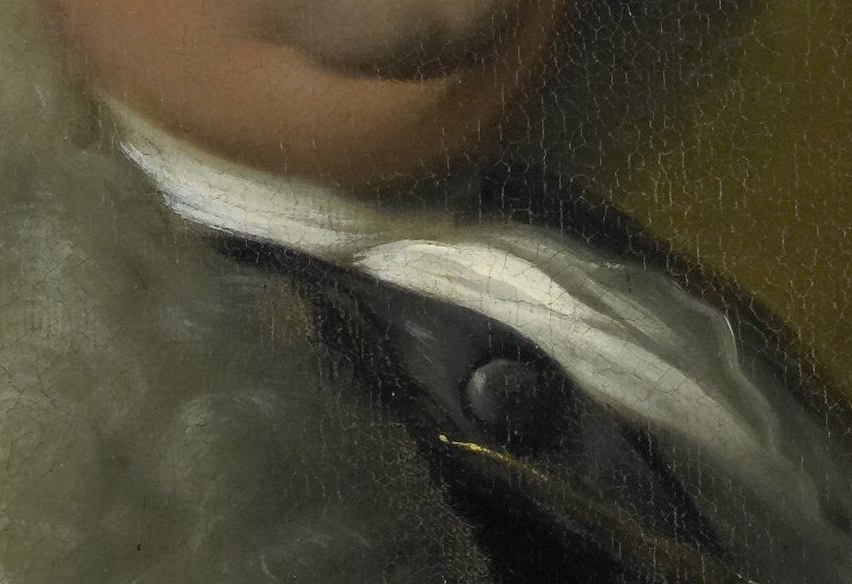
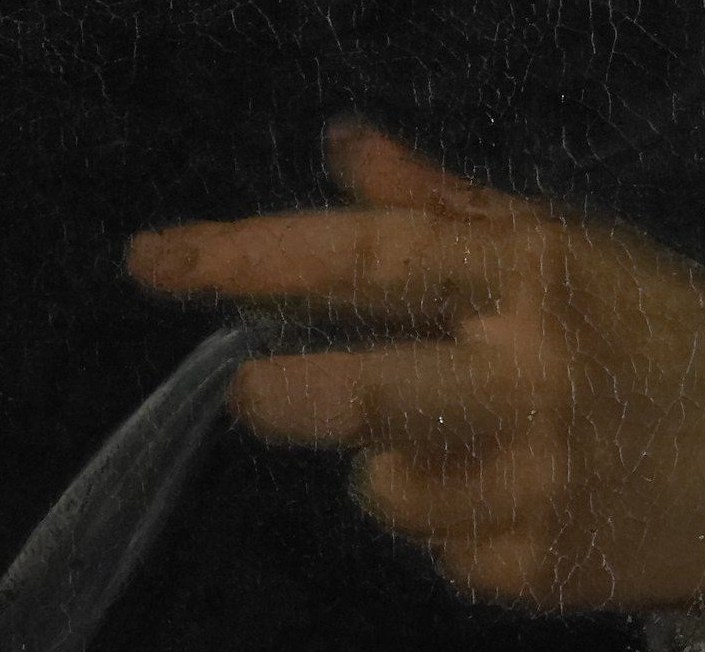
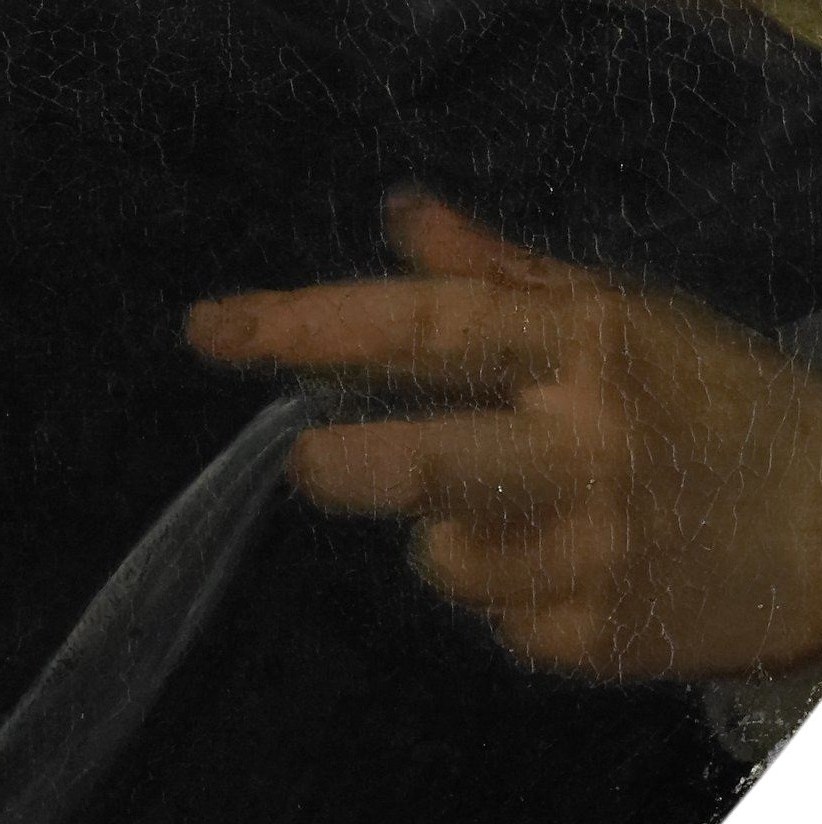
Look closely at his attire: the voluminous white wig, a symbol of high fashion and status, and the rich fur collar on his dark coat, both signifying his wealth and importance. The folded document in his left hand is a subtle yet clear reference to his business acumen and responsibilities within the formidable East India Company.
Van Nijmegen's precise brushwork highlights the textures, from the delicate lace jabot to the sheen of the coat. The painting is part of the Rijksmuseum's collection, preserving a glimpse into the lives of those who shaped Dutch economic history.
What details do you notice that speak to the sitter's profession and status?
Details
Transcript
Meet Adriaen Paets, a director of the Dutch East India Company. He was elected to the Rotterdam Chamber in 1734. His imposing white wig was the fashion of the 1750s. The fur collar on his coat shows his wealth and importance. This folded document symbolizes his business and power. This portrait was painted by Dionys van Nijmegen around 1750.