Still Life with Flowers, Fruit and Birds by Jan van Os
Jan van Os's Still Life with Flowers, Fruit and Birds (1774, Rijksmuseum) is not just decoration. In the Dutch tradition, every petal and piece of fruit carried a second meaning. The painting reads like a sermon in oil.
Find the dead bird near the bottom. Beside it, a nest with eggs. Above, a small butterfly. Death, new life, the soul: three objects form the central argument. The pineapple adds a note about worldly wealth.
Van Os came from a dynasty of Dutch still-life painters. His family workshop produced meticulous arrangements for buyers who understood symbolic language fluently. A dead bird was not morbid decoration. It was a word every viewer could read.
The painting has outlasted its first audience by 250 years. The flowers are as fresh as the day they were painted. What would it mean to arrange a life like a vanitas, with every object telling the truth about time?
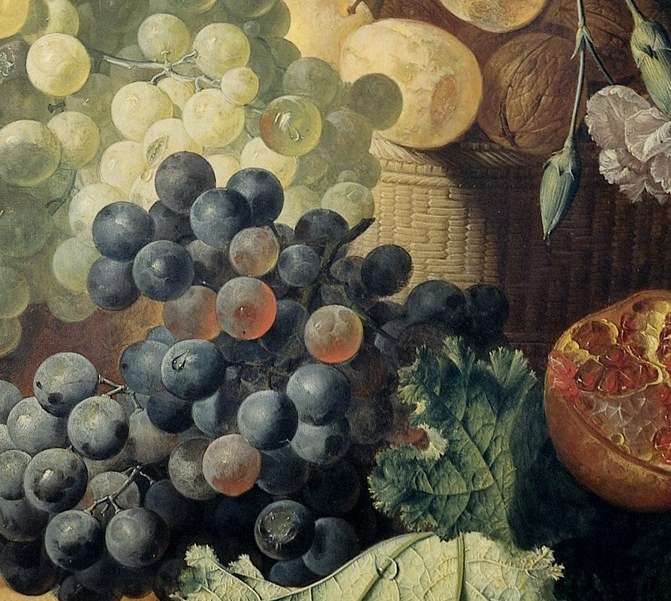
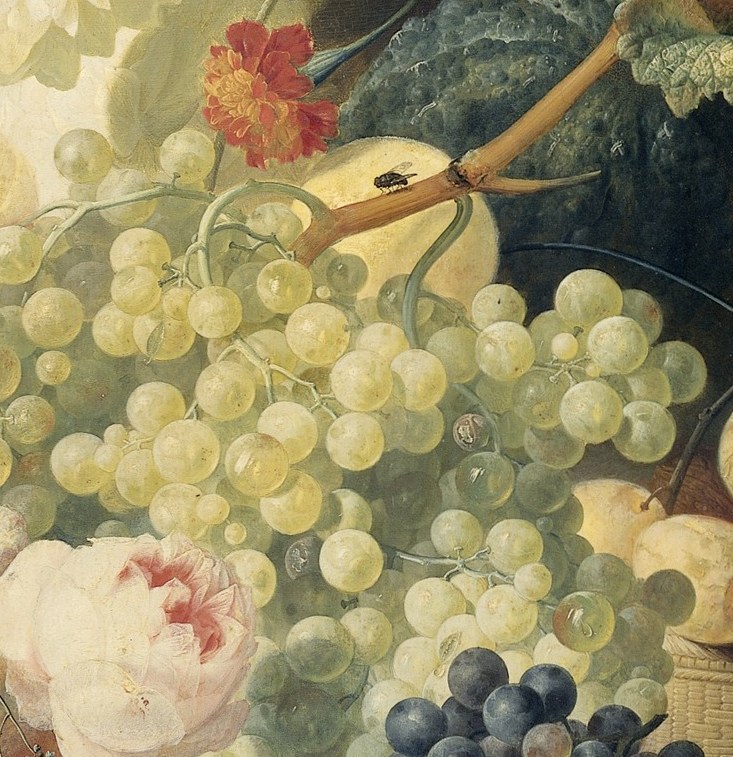
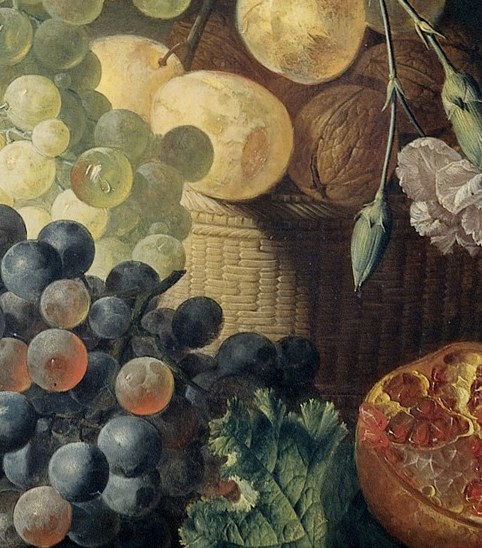
Details
Transcript
In 1774, a flower painting was never just a flower painting. The dead bird. It means death. Everyone in 1774 understood this. Beside it, a nest with eggs. But life continues. A butterfly. The soul, brief and transformed. The Dutch called this genre vanitas. All this beauty passes.