Philosopher by Luca Giordano
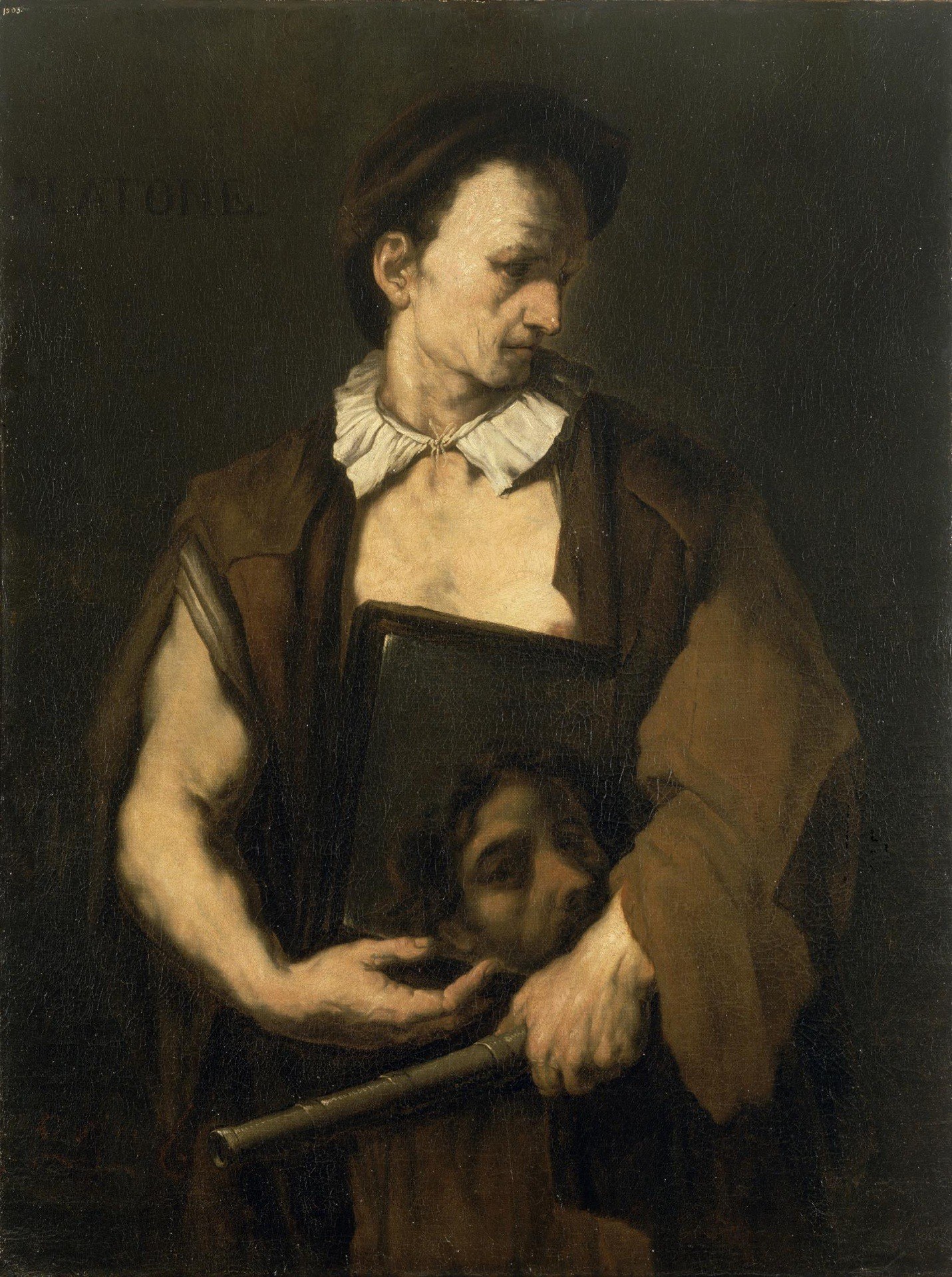
In Luca Giordano's 1679 painting, *Philosopher*, we see the artist himself, not as a painter, but as a thinker. Held at the State Hermitage Museum, this self-portrait reveals Giordano's fascination with learned subjects.
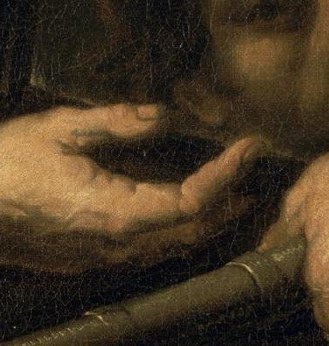
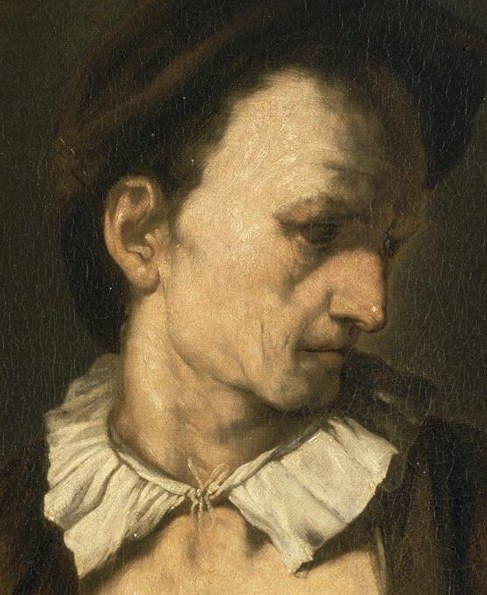
Look closely at the figure's contemplative pose, the book held loosely in his hand, and the inward gaze. He embodies the intellectual intensity and self-reflection that was a hallmark of Baroque art.
Giordano, a leading figure of the Neapolitan Baroque, was renowned for his versatility and prolific output. While known for grand altarpieces and frescoes, here he presents a more intimate side, depicting himself as a philosopher, perhaps pondering the nature of art or existence. This painting showcases his masterful use of chiaroscuro, bringing the figure into dramatic relief against a dark background.
What might the painter be contemplating in this quiet moment of self-portrayal?
Details
Transcript
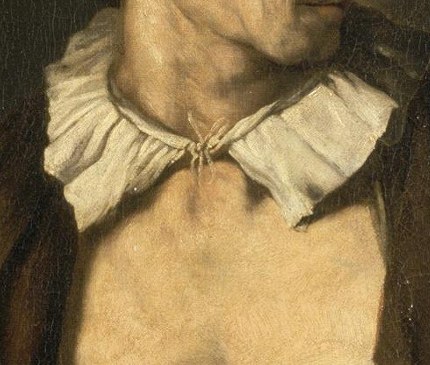
This man is lost in thought, a scholar, a philosopher. He holds a book, but does not read it. His gaze is inward, his face shadowed by his hat. This is Luca Giordano, a prolific Italian Baroque painter. He painted this self-portrait in 1679. Giordano often depicted himself in allegorical roles. Here, he chose to be a philosopher, deep in thought.