Family Group by Glackens, William
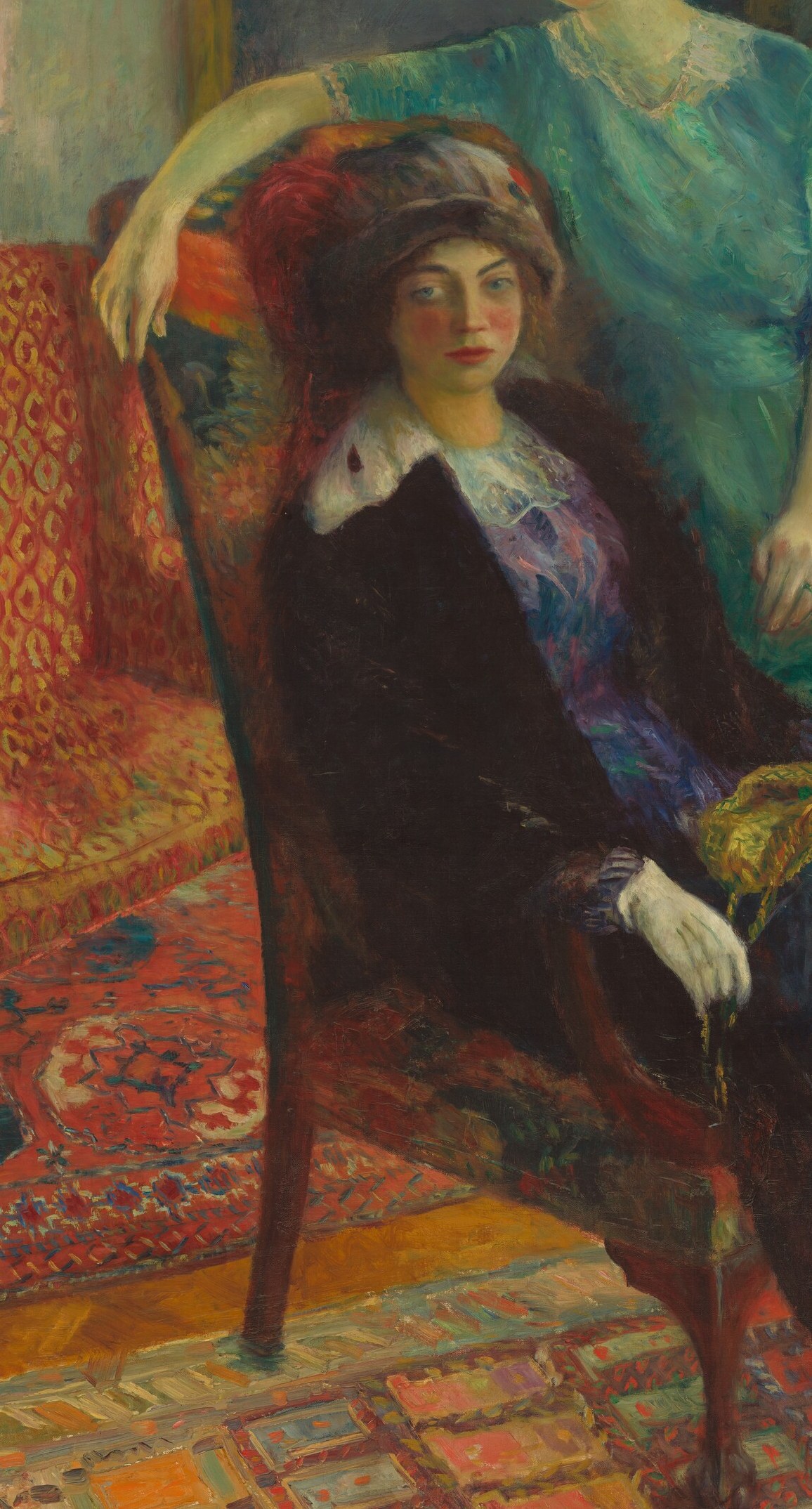
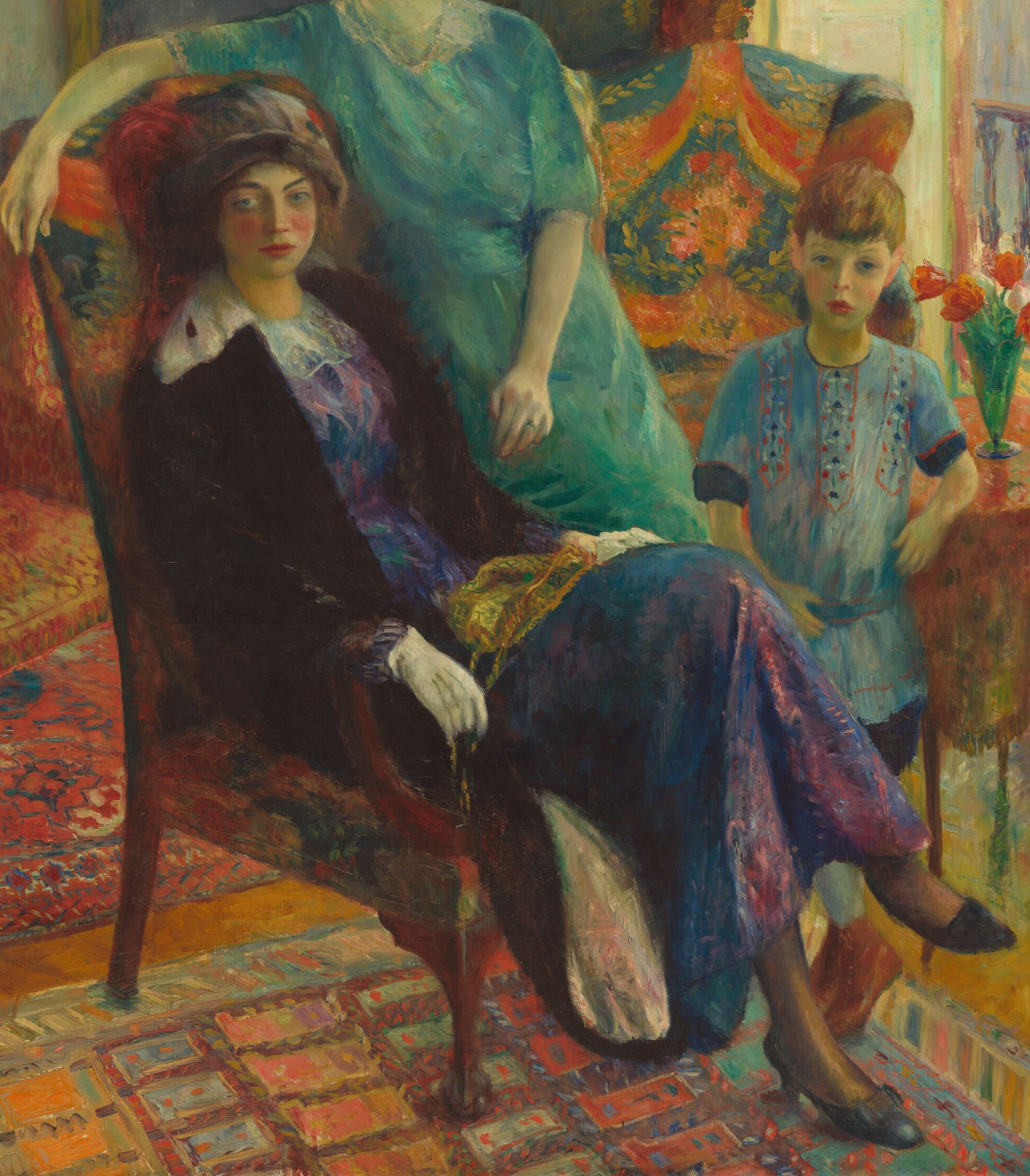
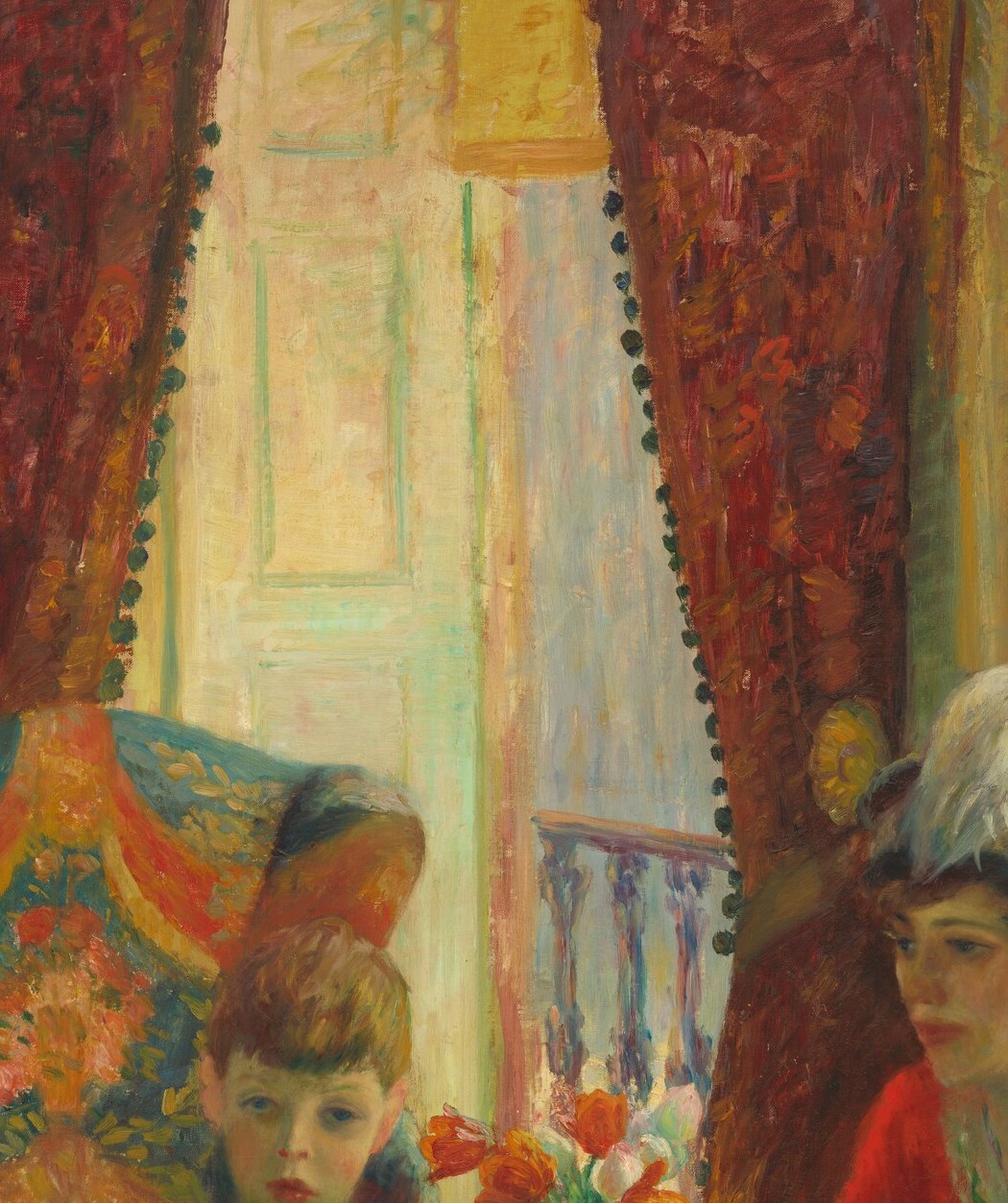
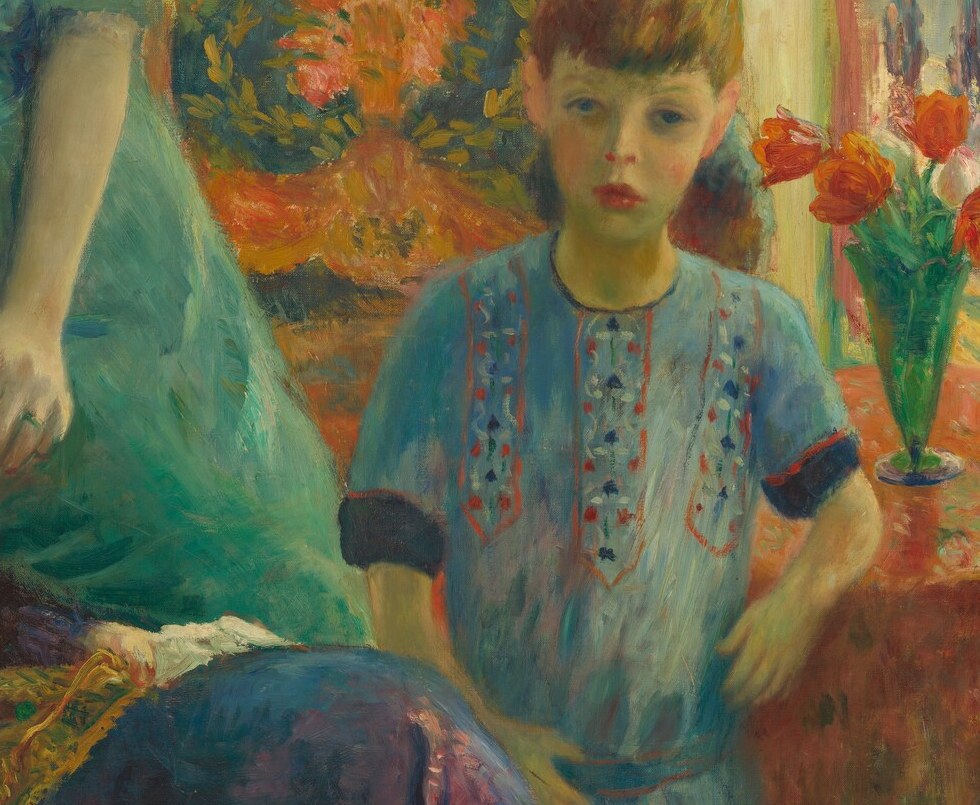
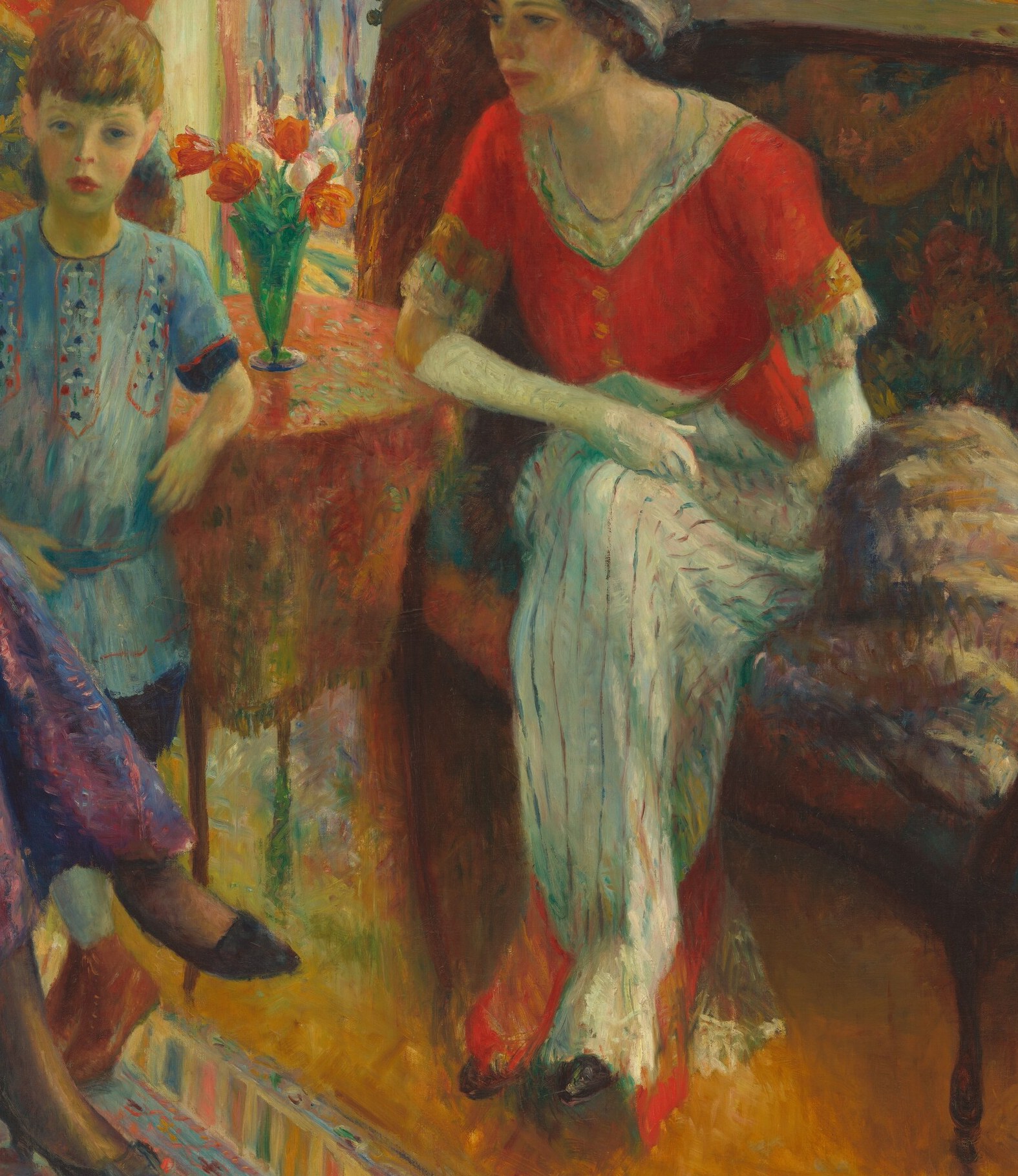
This is William Glackens' "Family Group," painted circa 1910-1911. The artist expertly uses impasto to give his subjects a palpable three-dimensionality. Notice the thickly applied paint, which creates a rough, textured surface that the light plays across.
Observe how the brushstrokes themselves seem to capture and reflect light, particularly on the fabric of the clothing and the ornate chair. This technique makes the paint feel vibrant and alive, almost sculptural within the flat picture plane.
Glackens was associated with the Ashcan School, known for its realistic depictions of everyday life. While this scene is domestic, its bold handling of paint reflects the era's move towards modernism and a more direct, energetic approach to art-making.
How does the thick application of paint enhance the lively atmosphere of the scene?
Details
Transcript
Thick paint creates a rough surface. See how the brushstrokes catch the light. The artist used a heavy impasto technique. Light models form and texture in the paint. This painter made paint seem alive.