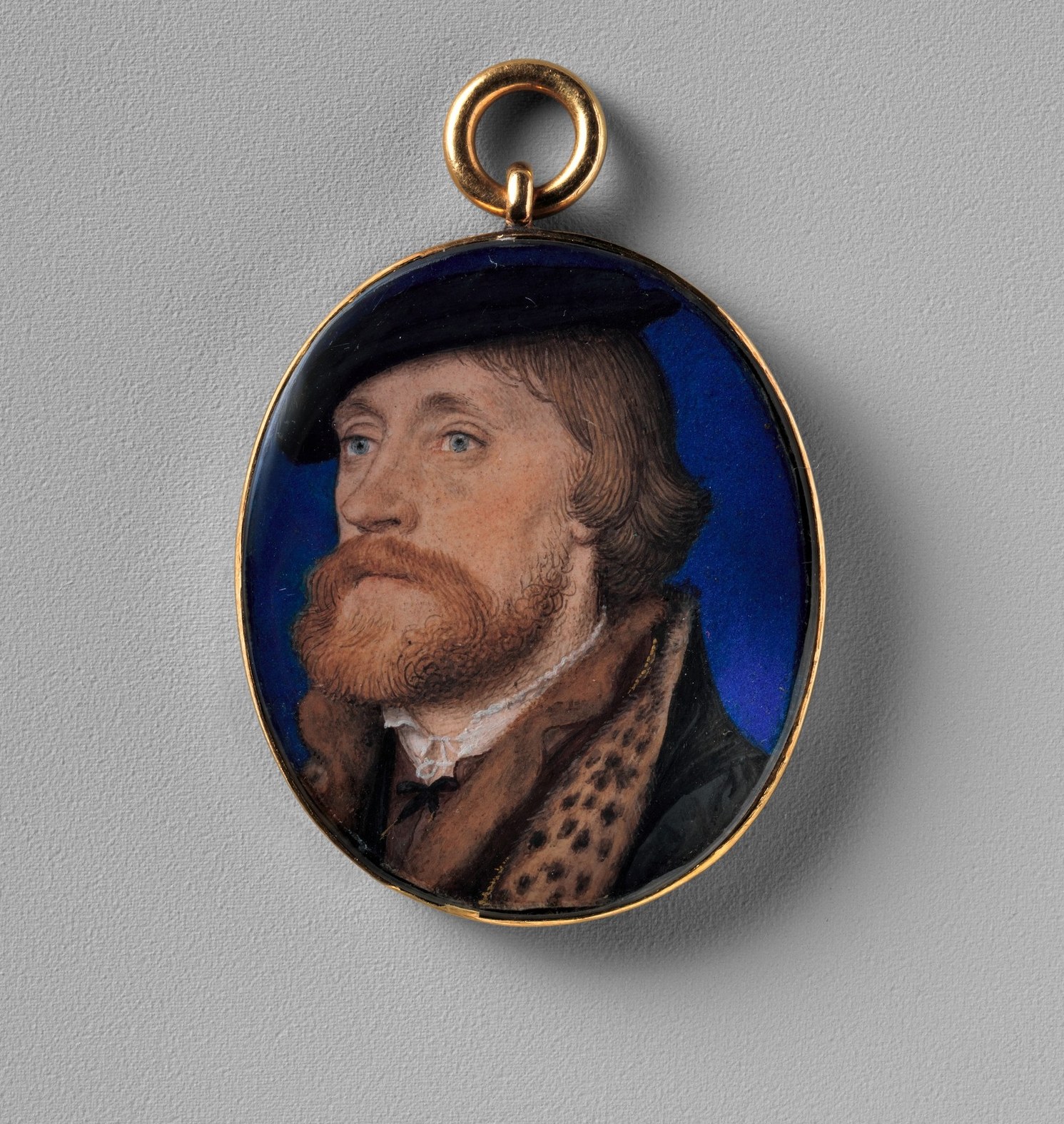
Thomas Wriothesley (1505–1550), First Earl of Southampton by Hans Holbein the Younger
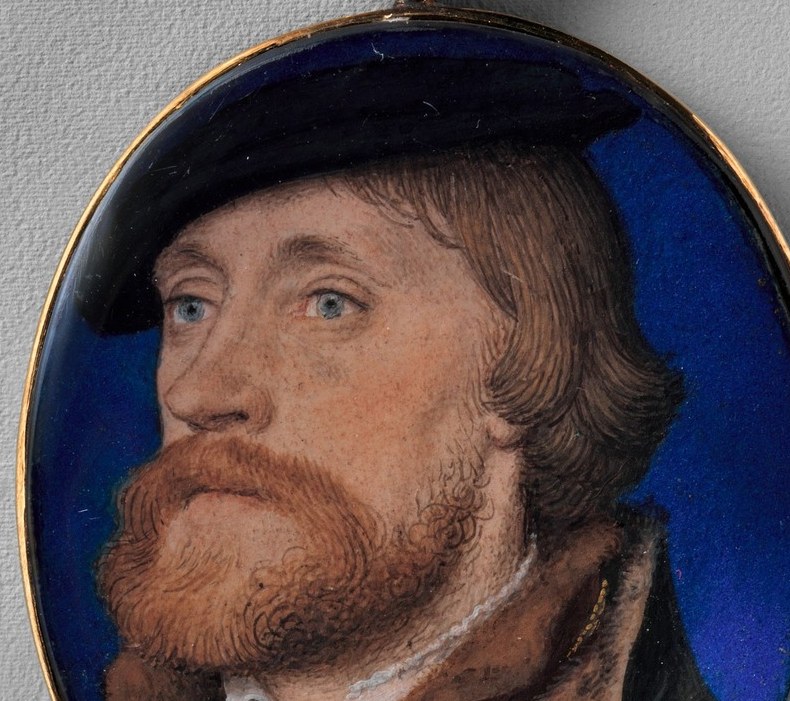
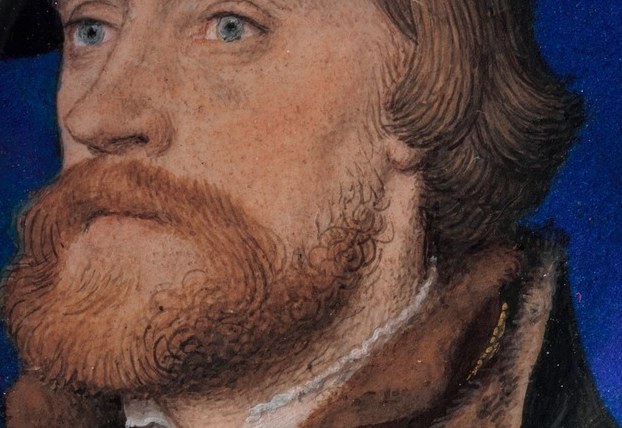
This striking portrait of Thomas Wriothesley, First Earl of Southampton, painted by Hans Holbein the Younger in 1535, is a masterful example of a 16th-century miniature. Currently held at The Metropolitan Museum of Art, it offers a glimpse into the intimate world of Renaissance portraiture.
Notice the detailed rendering of Wriothesley's red beard and luxurious fur collar, all framed by a delicate gold pendant. These details not only showcase Holbein's meticulous Northern Renaissance style but also indicate Wriothesley's high status as an English nobleman and courtier.
Holbein, a German-Swiss artist, was renowned for his precision in capturing the likenesses of Europe's elite. Such miniature portraits were often worn or kept close, serving as personal tokens or displays of loyalty and affection. They represent a significant shift towards more intimate and portable art forms.
What do you think such a personal portrait would have meant to its original owner?
Details
Transcript
This is Thomas Wriothesley, painted in 1535. The painter was Hans Holbein the Younger, a German master. It's a miniature, meant to be worn or held close. The gold frame highlights its intimate, personal purpose. Wriothesley was an English nobleman, a powerful courtier. Holbein captured his serious, composed presence.