Woman Weaving a Crown of Flowers by Schalcken, Godefridus
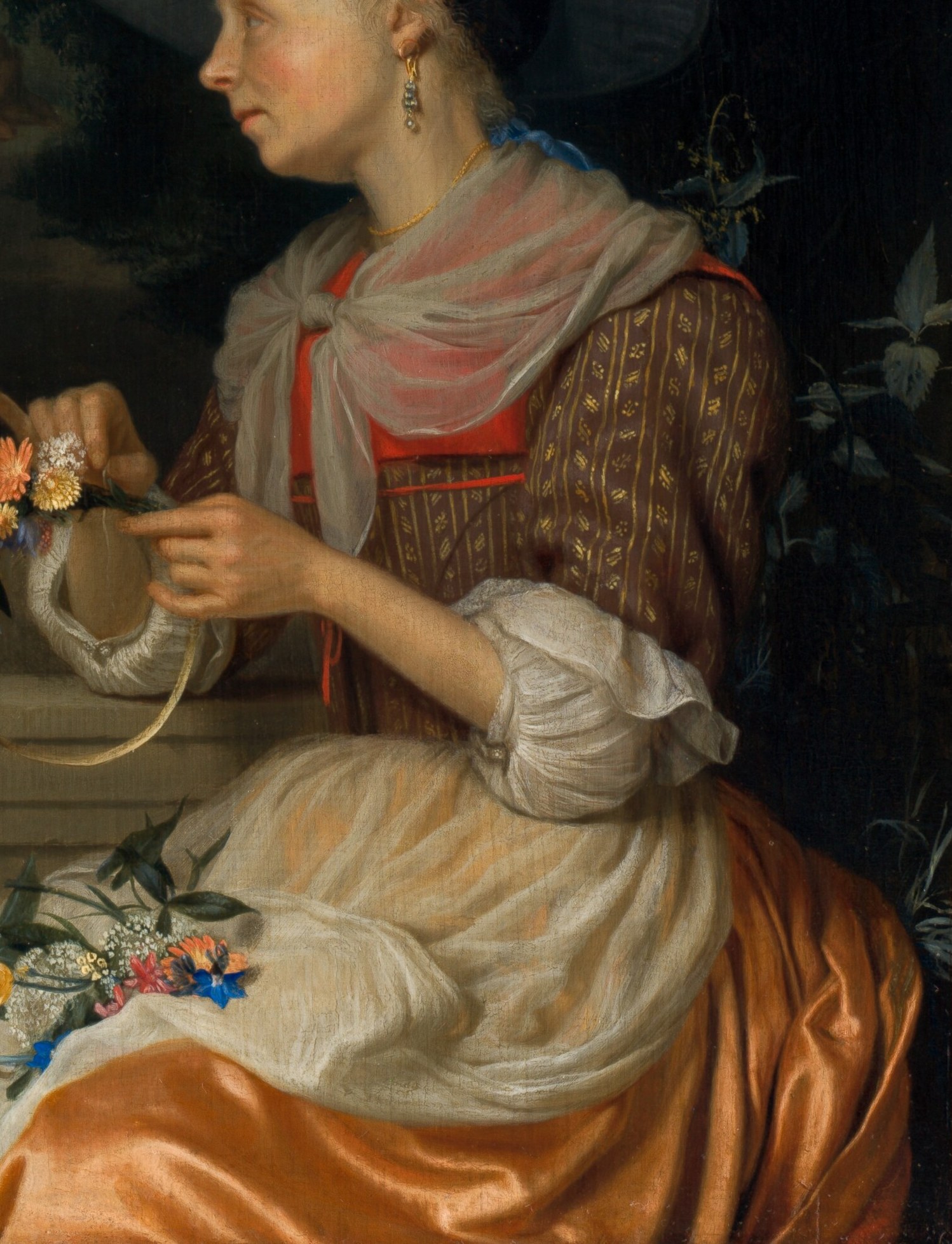
Godefridus Schalcken's "Woman Weaving a Crown of Flowers" (c. 1678) at an unknown museum is more than just a pretty picture; it's a quiet reflection on the nature of beauty and time, characteristic of Dutch Golden Age genre painting.
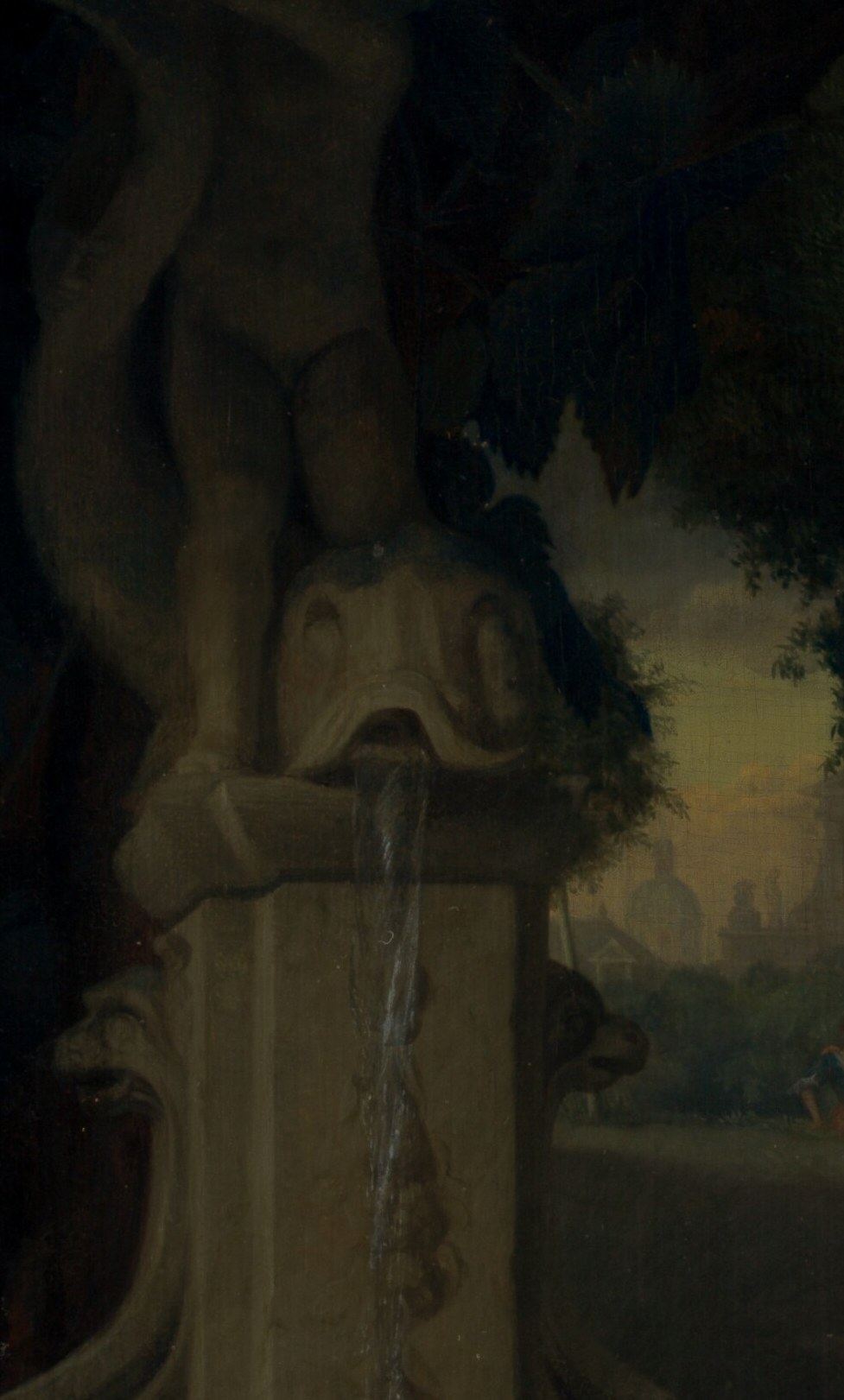
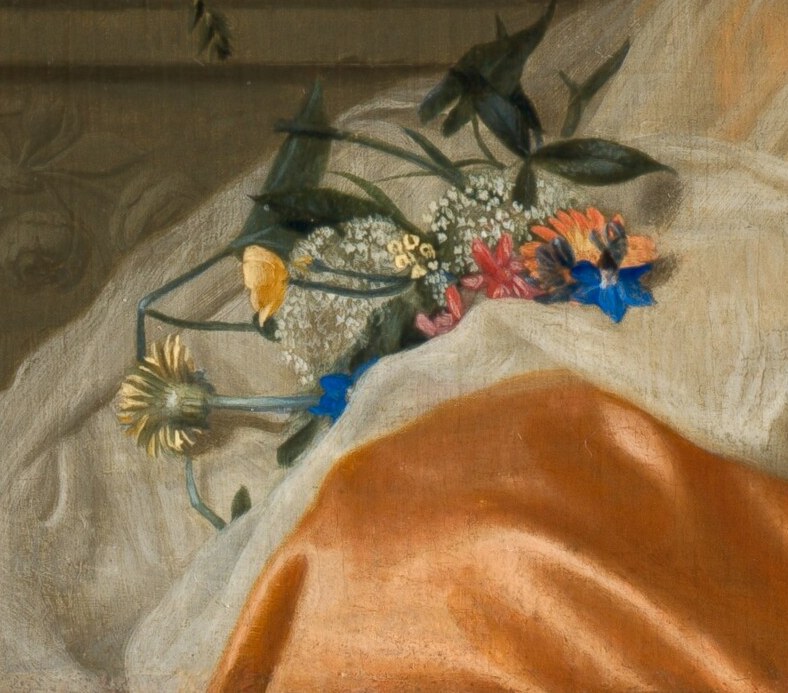
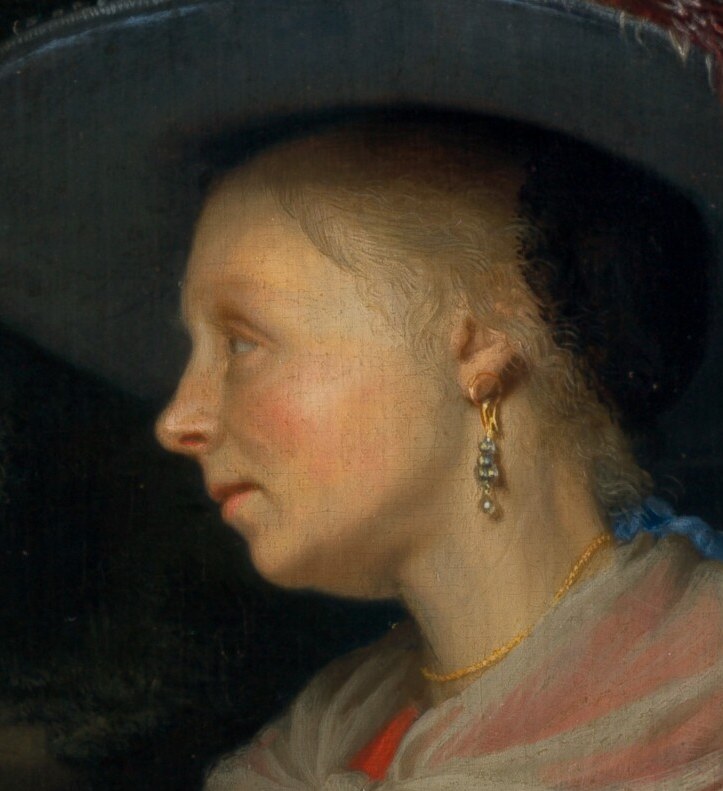
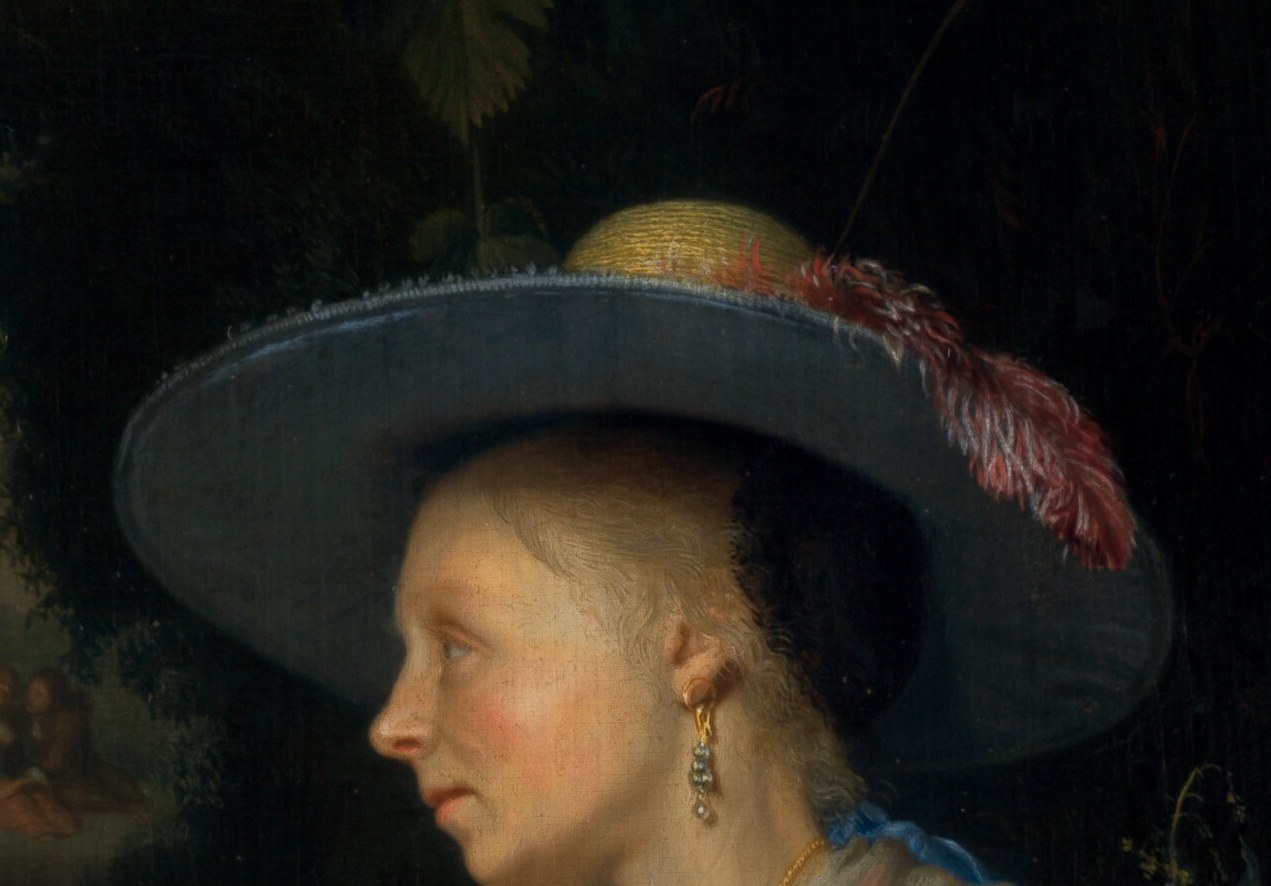
Look closely at the woman's focused expression as she weaves. Behind her, a classical statue, likely Venus, the goddess of beauty and gardens, anchors the scene. Yet, on the ground, scattered flowers offer a subtle counterpoint.
These fallen blossoms are a common symbol in 17th-century art, representing the fleeting nature of beauty and life. Schalcken's subtle inclusion transforms a simple domestic scene into a poignant meditation on mortality. It reminds us that even in moments of creation, time continues its work.
What other subtle symbols do you notice in everyday scenes?
Details
Transcript
This woman weaves a crown of flowers, a common scene. But Dutch paintings often contain hidden meanings. The classical statue behind her refers to Venus. Venus, the Roman goddess of beauty and gardens. And these scattered flowers represent transient beauty. Beauty, like flowers, will eventually fade.