Cathedral of Saint John at 's-Hertogenbosch by Saenredam, Pieter Jansz
Pieter Jansz. Saenredam's 'Cathedral of Saint John at 's-Hertogenbosch' from 1646, on view at the Rijksmuseum, is more than just a meticulously rendered church interior; it's a silent witness to history.
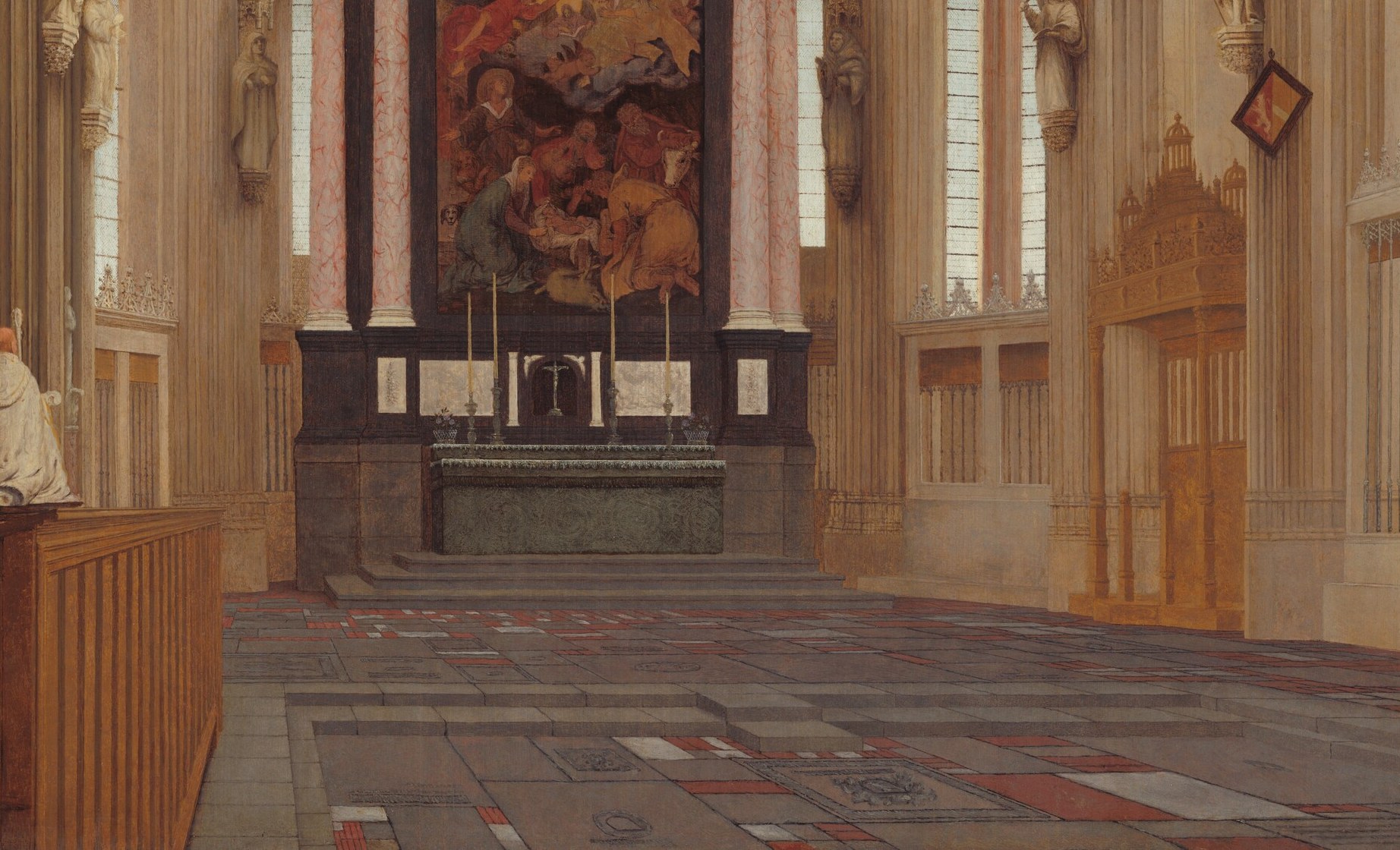
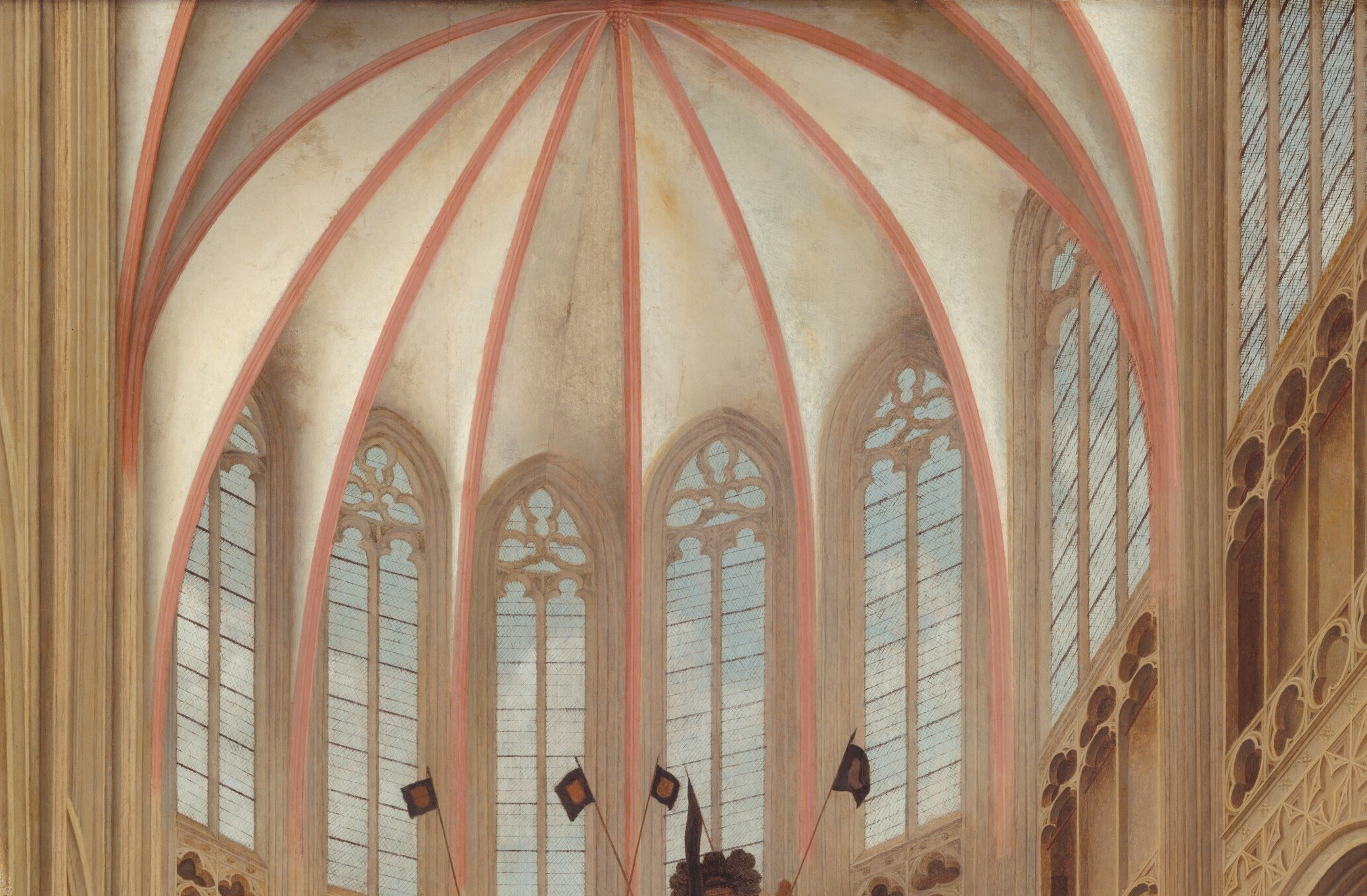
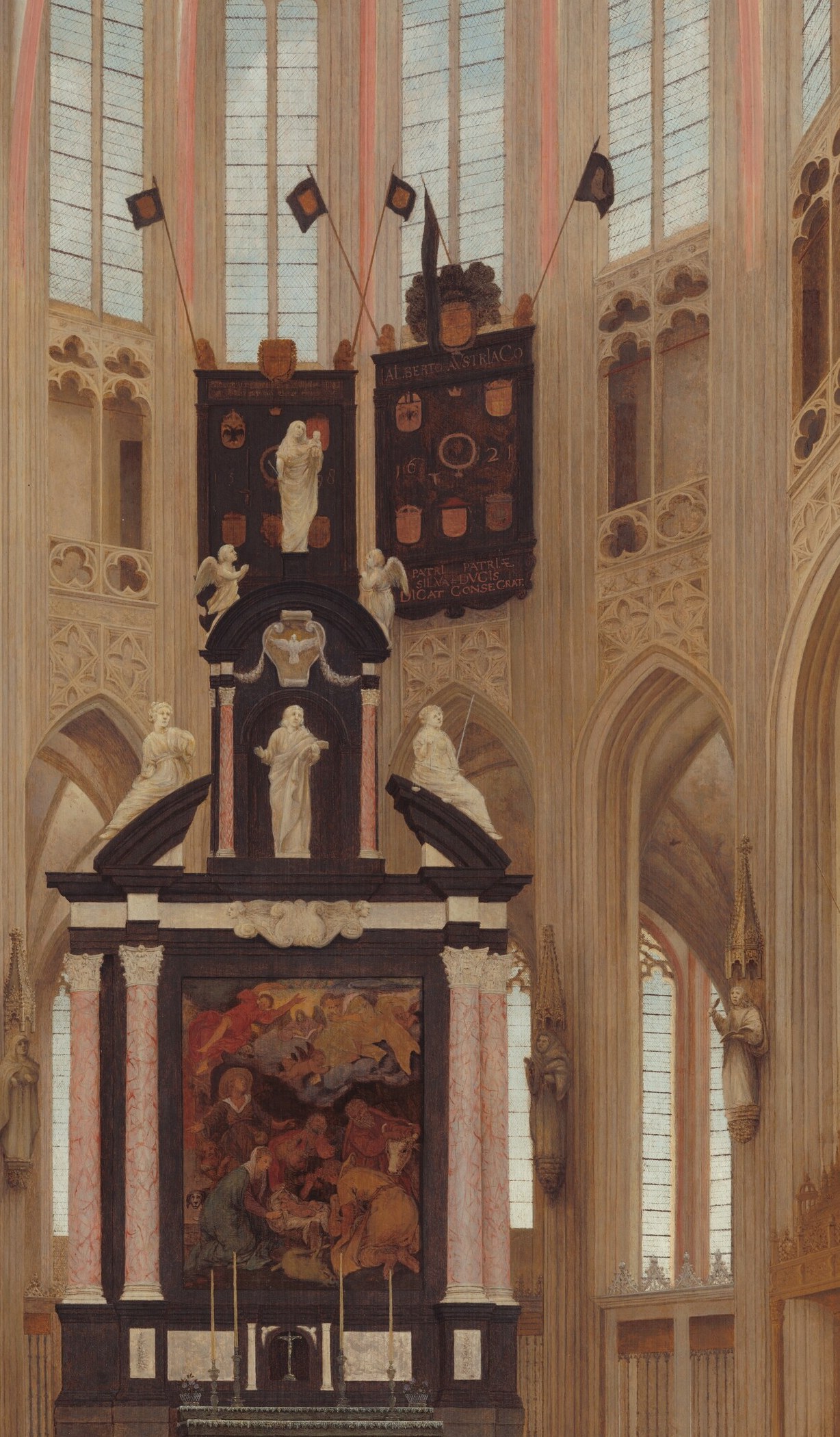
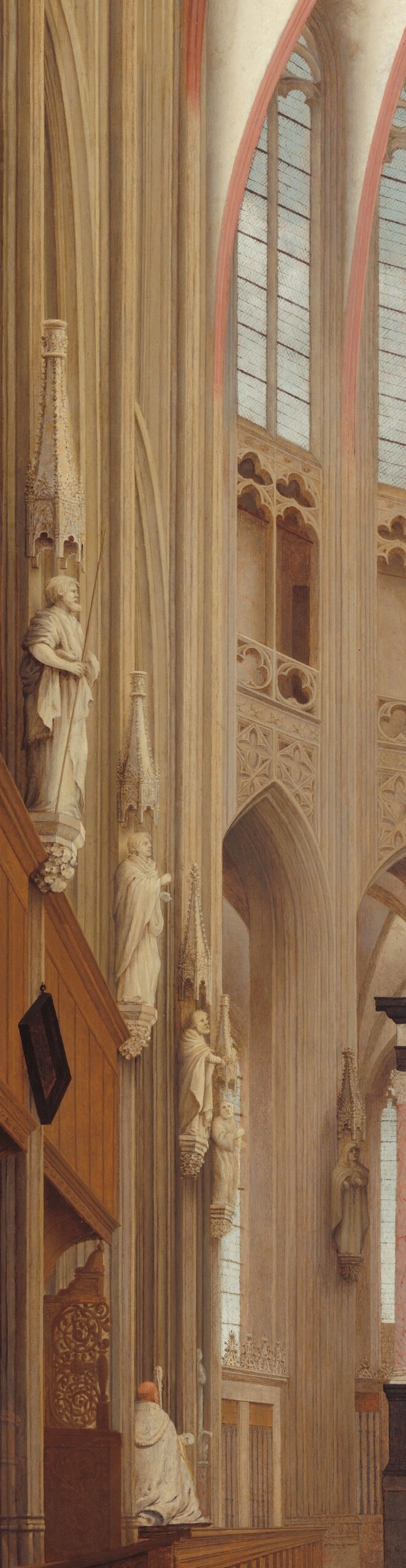
Saenredam, a master of the Dutch Golden Age, spent years on his compositions, often working from sketches he'd made long before. His precise technique captures the vastness of the space, from the geometrically perfect floor to the soaring Gothic vaults. Look closely at the elaborate high altar, an incongruous Catholic fixture in a church that later became Protestant, a testament to the turbulent religious changes of the Dutch Revolt.
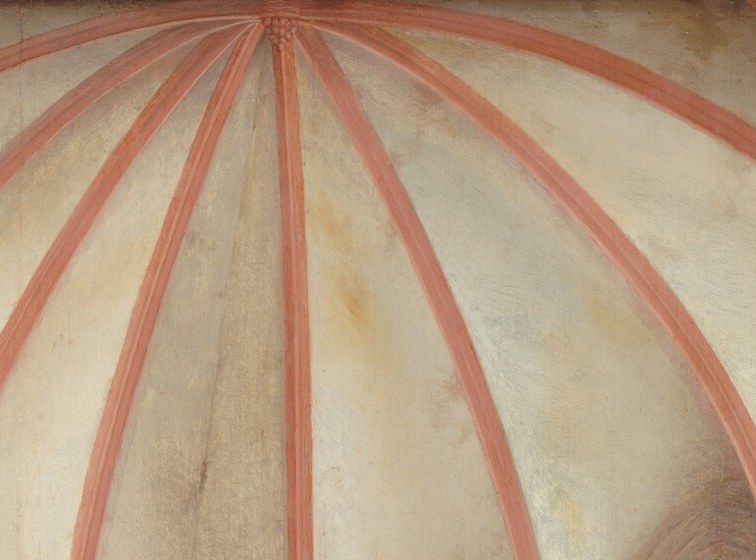
Even the smallest details hold meaning. Above the altar, a tiny keystone boss in the vault's apex, almost invisible at first glance, hints at the building's original design and symbolic carvings. Saenredam’s unique blend of architectural exactitude and painting invites a deep contemplation of both structure and the stories embedded within.
What hidden details do you notice in large-scale architectural paintings?
Details
Transcript
This painter was obsessed with church interiors. He mapped them with surveyor's accuracy, like this floor. He often took years to finish a painting after his initial sketches. The cathedral's history is written on this altar. It's a Catholic fixture in a space that became Protestant. Even the tiny ceiling boss above the altar tells a story.