Montagne Sainte-Victoire, from near Gardanne by Cezanne, Paul
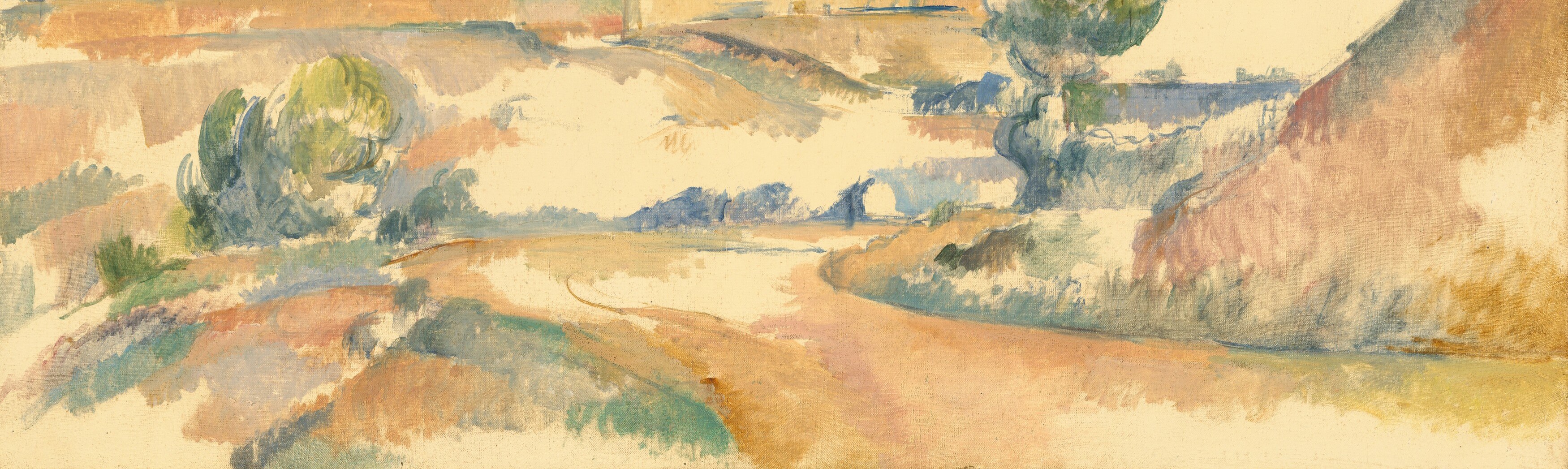
Paul Cézanne's Montagne Sainte-Victoire, from near Gardanne, painted around 1887 and housed at The Metropolitan Museum of Art, showcases his revolutionary 'constructive stroke', where distinct patches of color simultaneously define form, texture, and space.
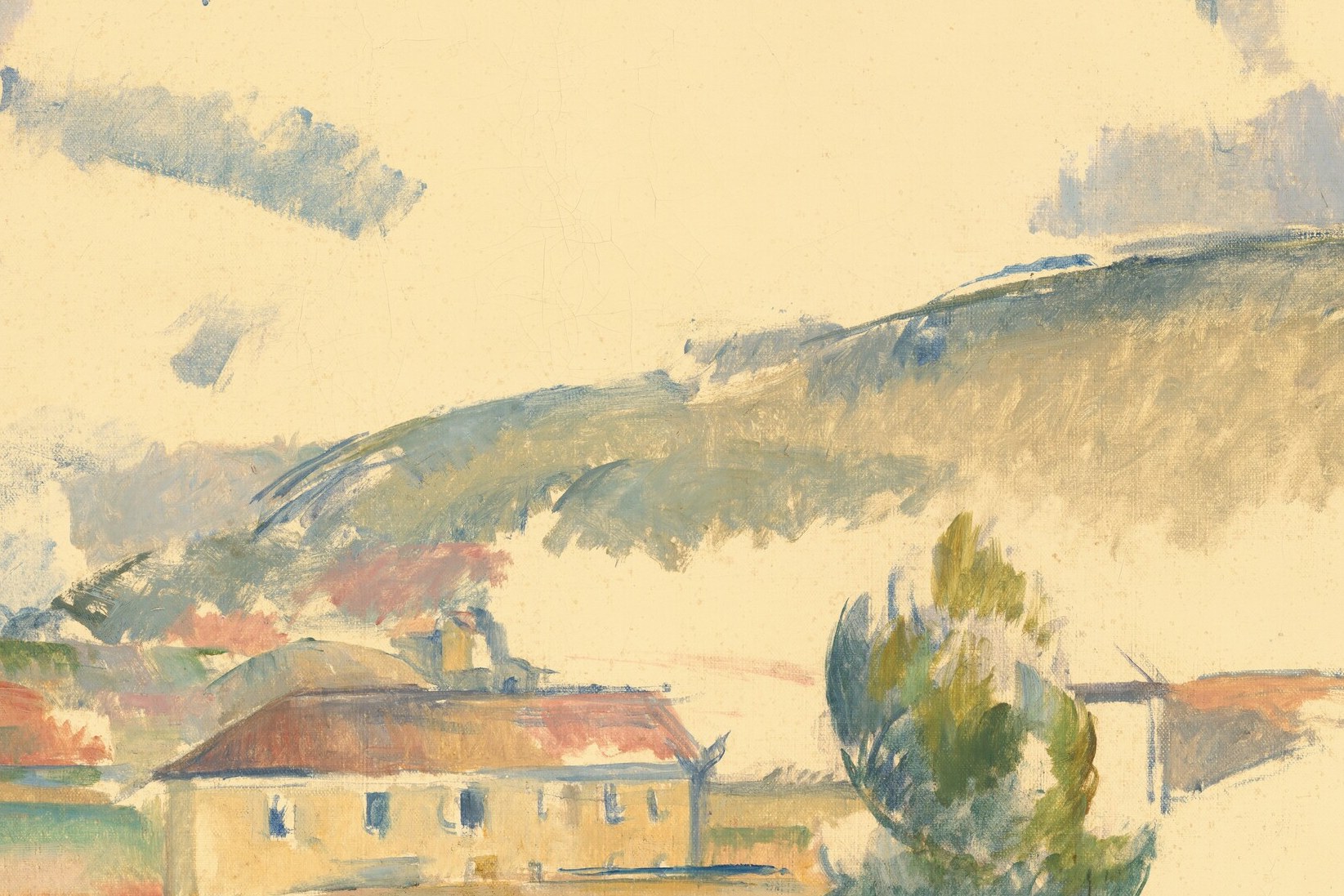
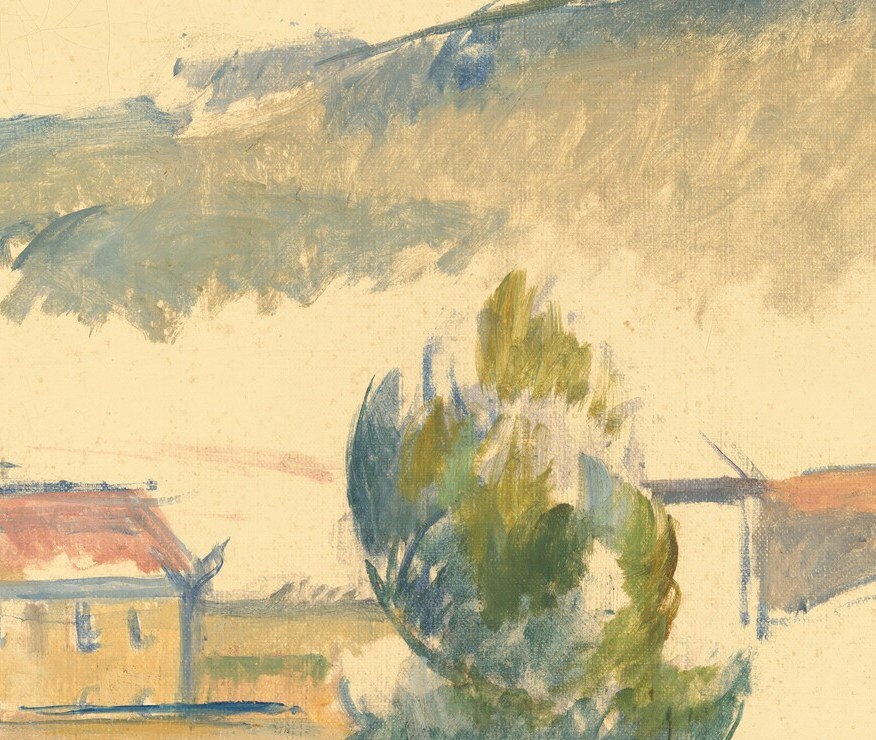
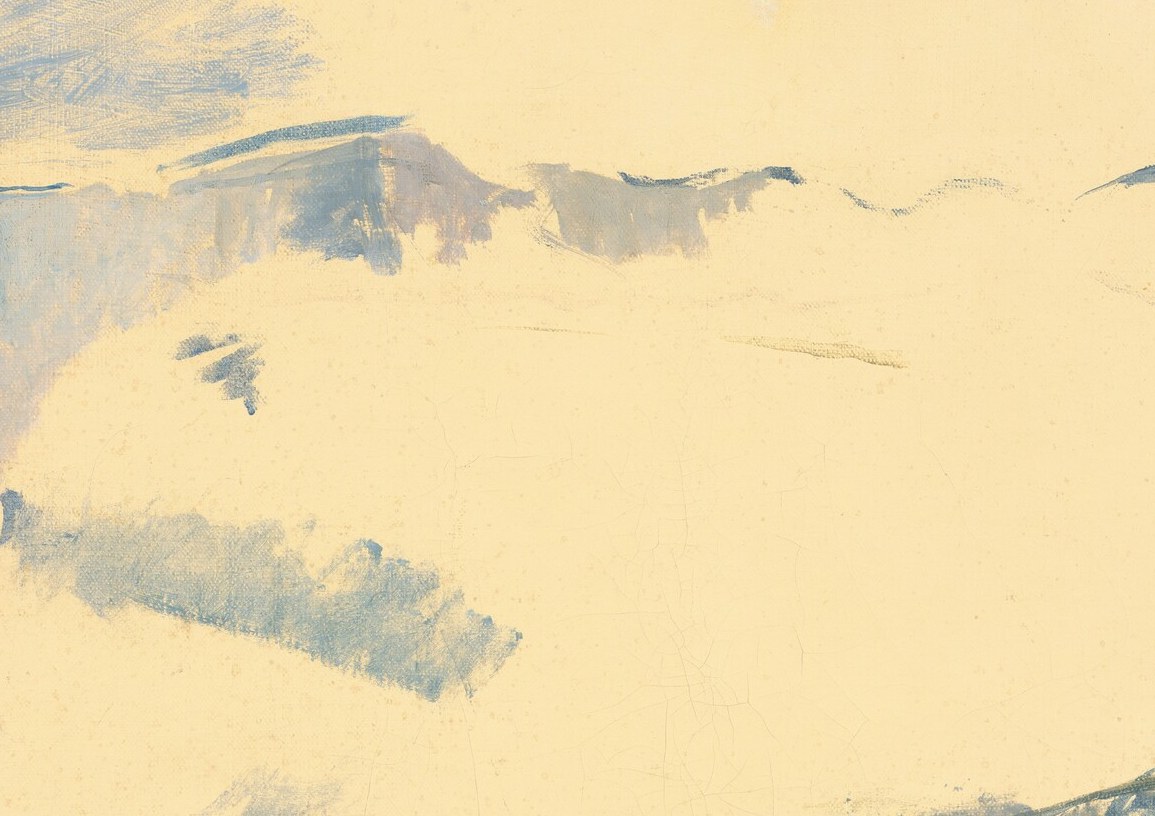
Observe the mountain's shadowed face; it’s modeled not by traditional shading, but by cool blue-grey brushstrokes that stack together. This technique extends to the tree's foliage, where each mark is visibly a unit of color, texture, and structure. Even the luminous, thinly painted sky plays a role, allowing the mountain's painted mass to project forward.
Cézanne, a pivotal figure in post-Impressionism, spent much of his life in Aix-en-Provence, frequently depicting Montagne Sainte-Victoire. His methodical approach to painting, breaking down objects into geometric forms and building them back up with color, profoundly influenced modern art, laying groundwork for Cubism.
How do these visible brushstrokes change your perception of the mountain's solidity?
Details

Transcript
This painter built his forms with individual patches of paint. Look closely at the shadowed face of the mountain. Cool blue-grey brushstrokes create its volume, not shading. Each stroke is color, texture, and a building block of form. Even the sky is barely painted, making the mountain glow. This method revolutionized how painting could create dimension.