The Marriage of the Virgin by Orley, Bernard van
Bernard van Orley's The Marriage of the Virgin, painted around 1513, is a masterclass in combining Northern European detail with Italian Renaissance influences. This oil-on-panel painting, housed in a distinguished collection, tells a rich story, not just through its main figures, but in its subtle, symbolic details.
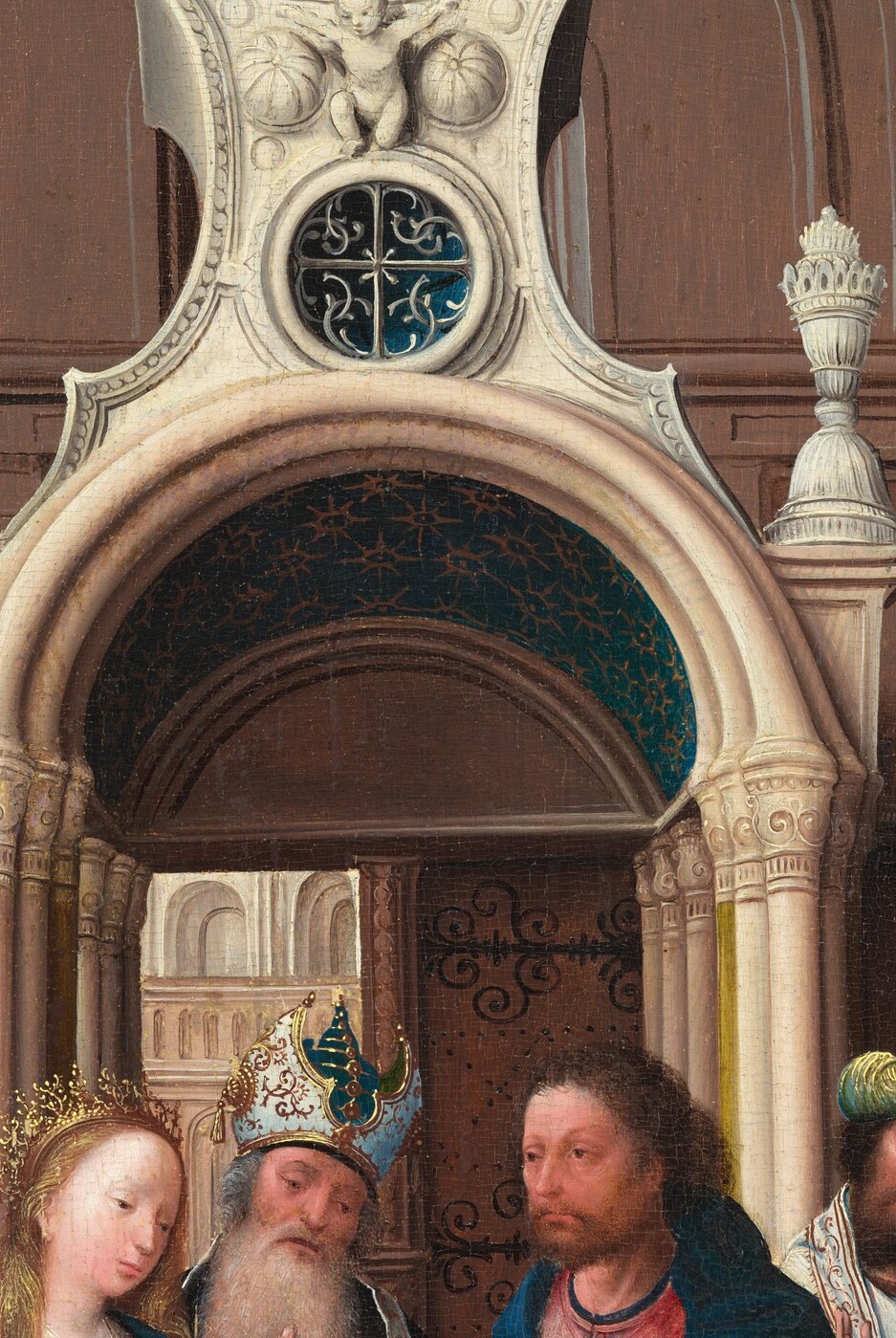
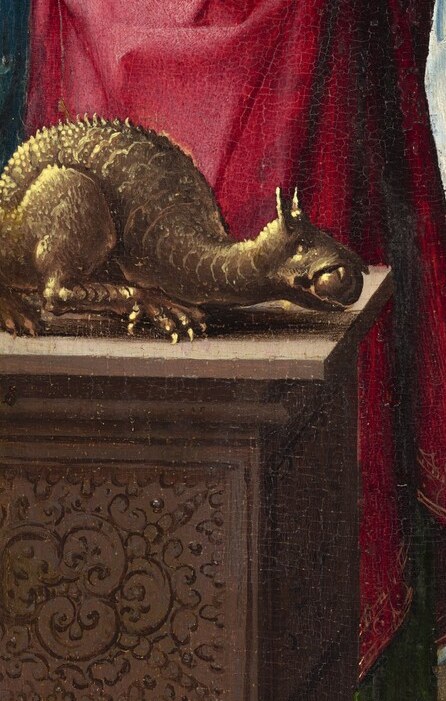
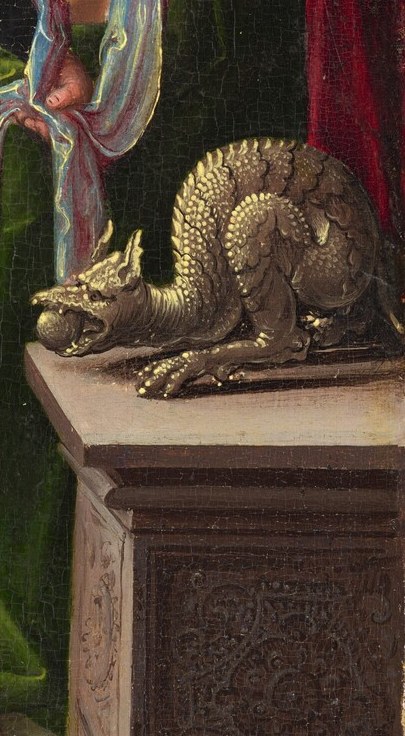
While Mary and Joseph take center stage, look closely at the elaborate architectural elements surrounding them. The classical archway, adorned with winged putti, reflects the artist's engagement with Italian styles. Yet, nestled on the pedestals, are two striking dragon sculptures.
These grotesque figures, often representing evil or sin, are placed as if conquered or subdued by the sacred union unfolding. It's a fascinating example of how artists wove complex theological messages into every corner of their work.
What other hidden symbols do you notice in historical paintings?
Details
Transcript
This painter was a master of grand, detailed scenes. He was a 'Romanist', influenced by Italian Renaissance artists. But look closely at the architecture around them. A winged putto adds a classical touch. But on either side, something far older lurks. These dragon sculptures symbolize evil, now subdued. A powerful message, hidden in plain sight.