Anthonij de Bordes and His Valet by Sweerts, Michael
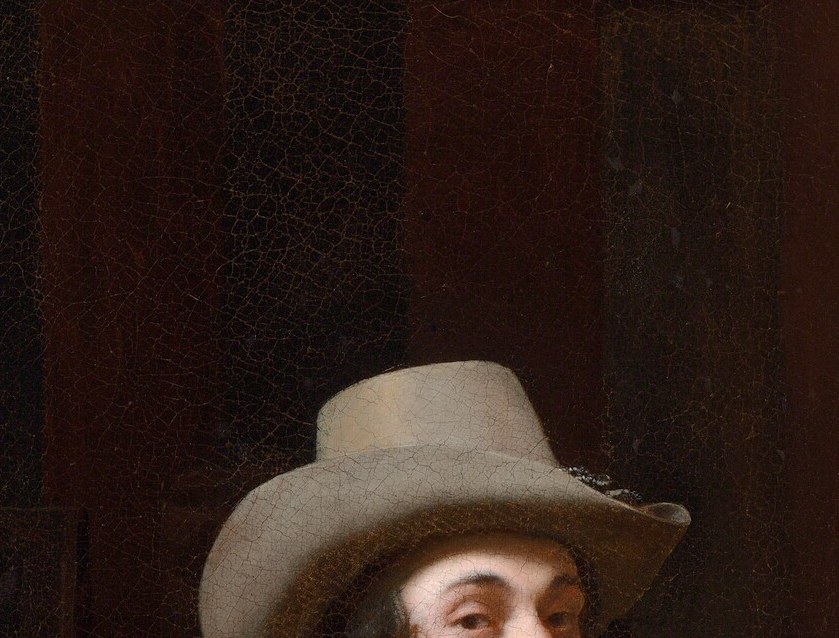
This is 'Anthonij de Bordes and His Valet,' painted by Michael Sweerts around 1648. A wealthy Dutch merchant stands for his portrait and does not meet the viewer's eyes. That downward, inward gaze is the quiet mystery of the whole work.
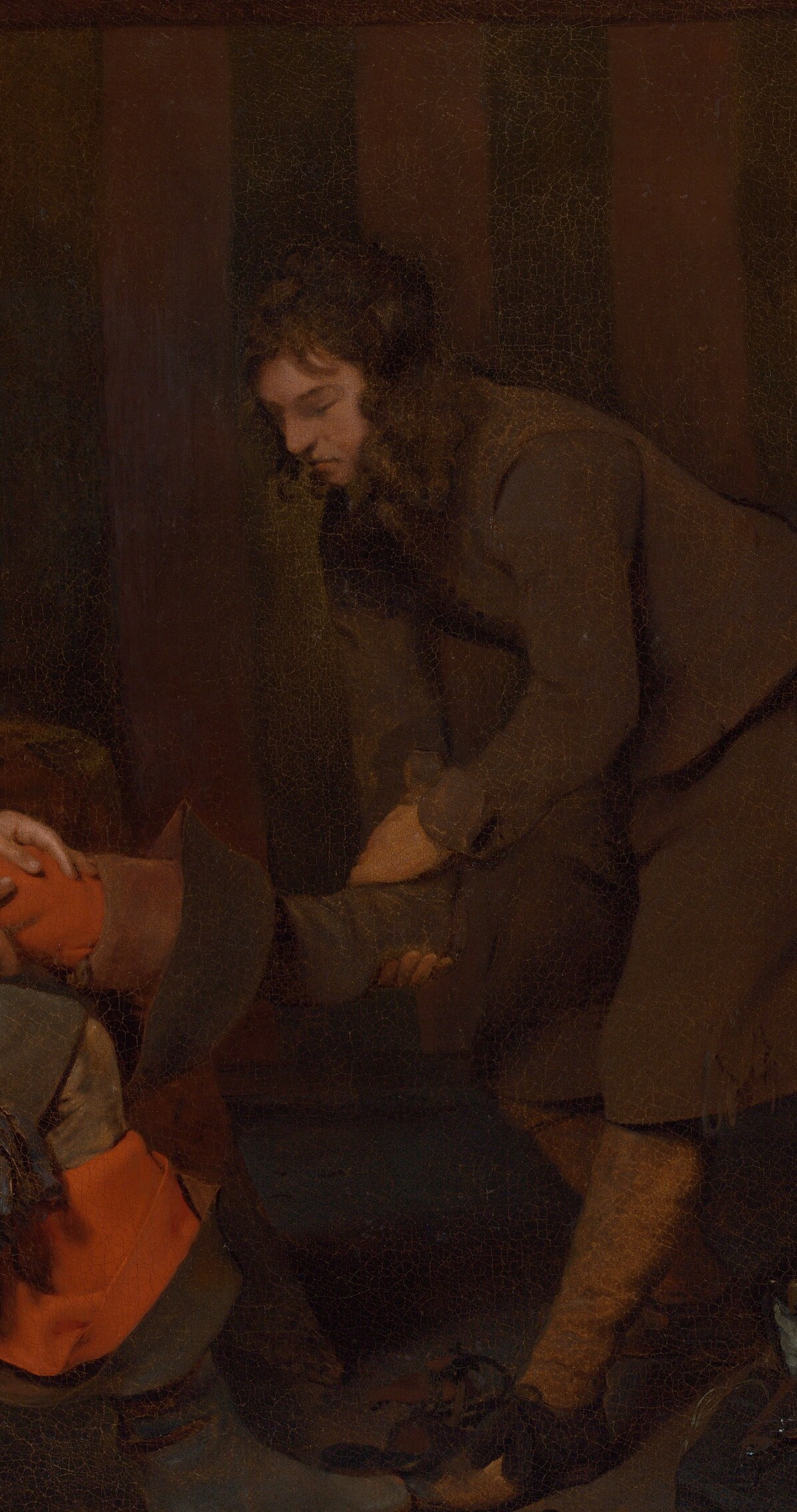
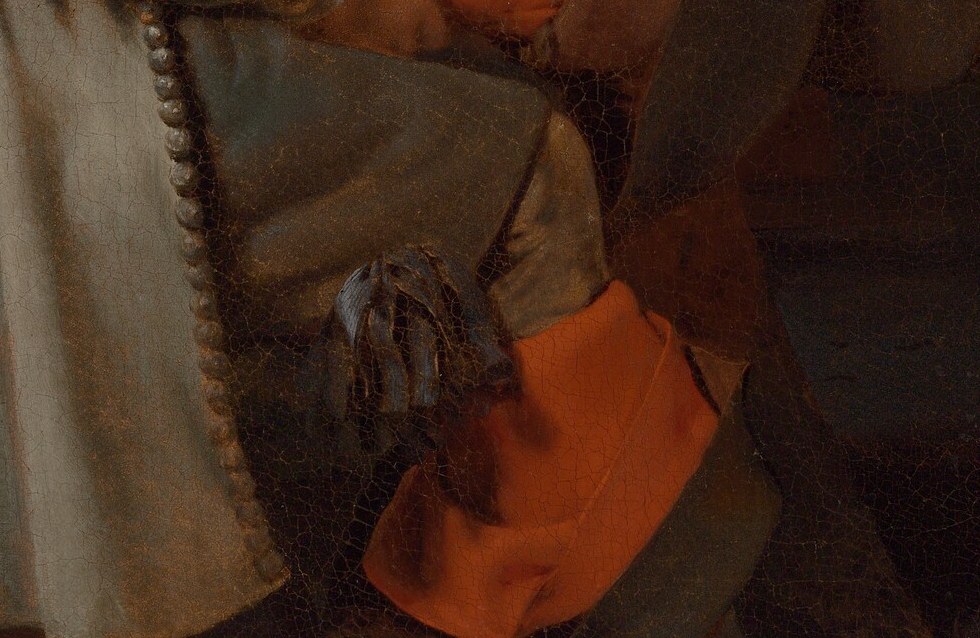
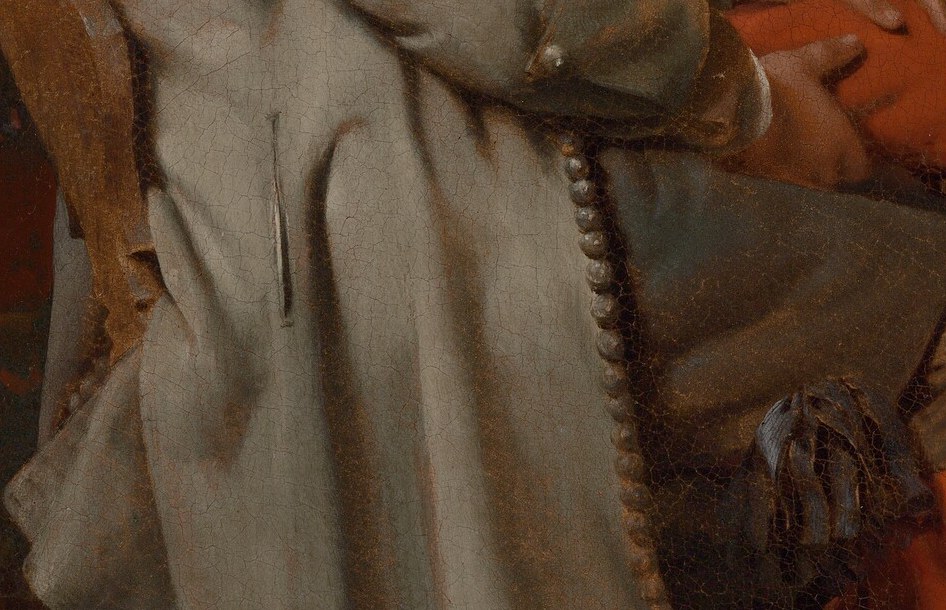
Look at the two figures. De Bordes in his luminous gray coat and pale hat, and a young valet in shadow holding a white cloth. A polished brass basin rests between them. Sweerts stages this not as a grand historical scene but as a private, domestic moment, a hand-washing, a preparation, where the real subject is the silent hierarchy between the two men.
Sweerts painted this in the late 1640s, likely while still in the Netherlands or soon after arriving in Rome. Decades later, he would travel to India as a lay missionary, living among the poor and serving them. The artist who knew exactly how to paint a servant's posture and a master's reserve eventually chose to leave the world of commissions behind entirely.
This portrait holds two lives: the one who paid for the image, and the one who stood beside him. The painting is in the National Gallery of Art in Washington, D.C. What do you see in the valet's shadowed face?
Details

Transcript
He stands in a gray coat, a wide pale hat on his head. His name was Anthony de Bordes, a Dutch merchant. But in this portrait, he will not look at you. A young valet attends him, holding a white cloth. The brass basin between them meant they were washing. And the painter, Sweerts, understood serving very well. He spent his last years living among the poor he served in India.