Giuliano de' Medici by Botticelli, Sandro
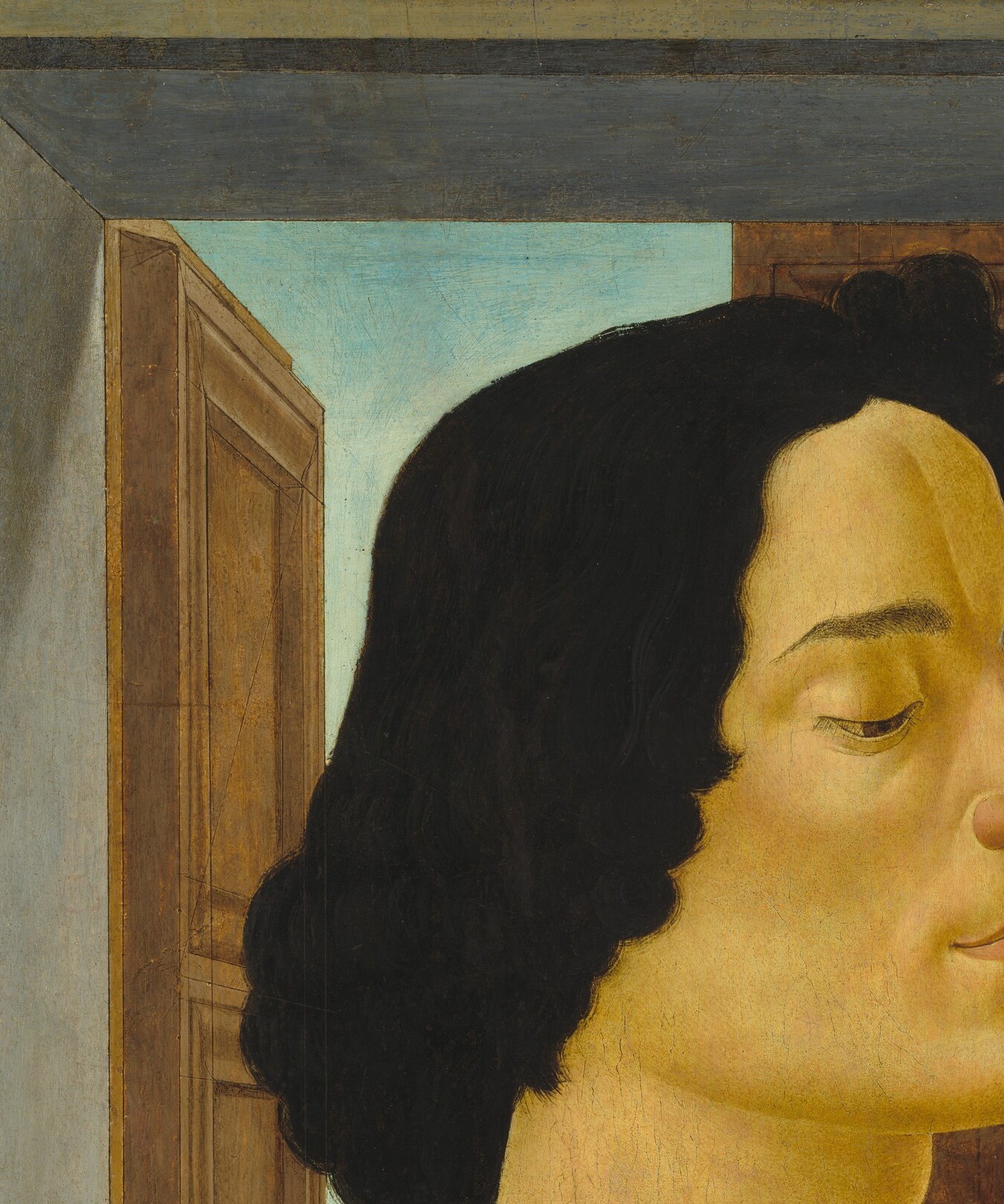
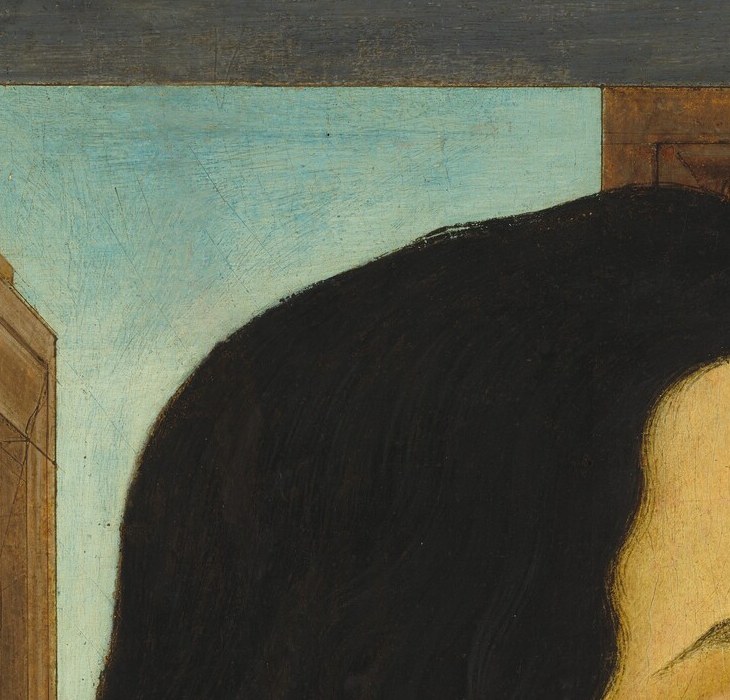
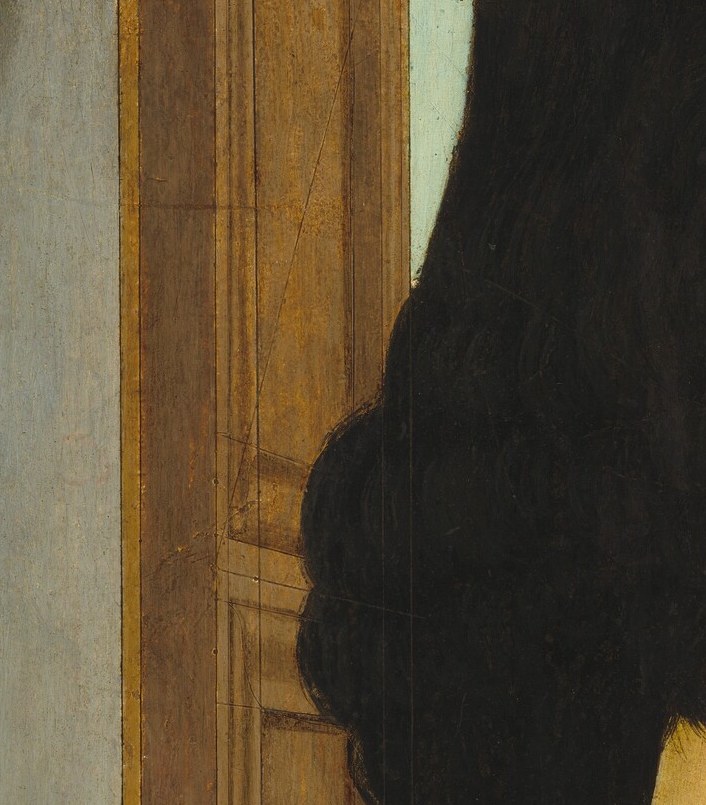
This striking portrait, "Giuliano de' Medici" by Sandro Botticelli, created around 1479, is held at the National Gallery of Art. It depicts Giuliano, brother of the powerful Lorenzo de' Medici, but it was painted posthumously.
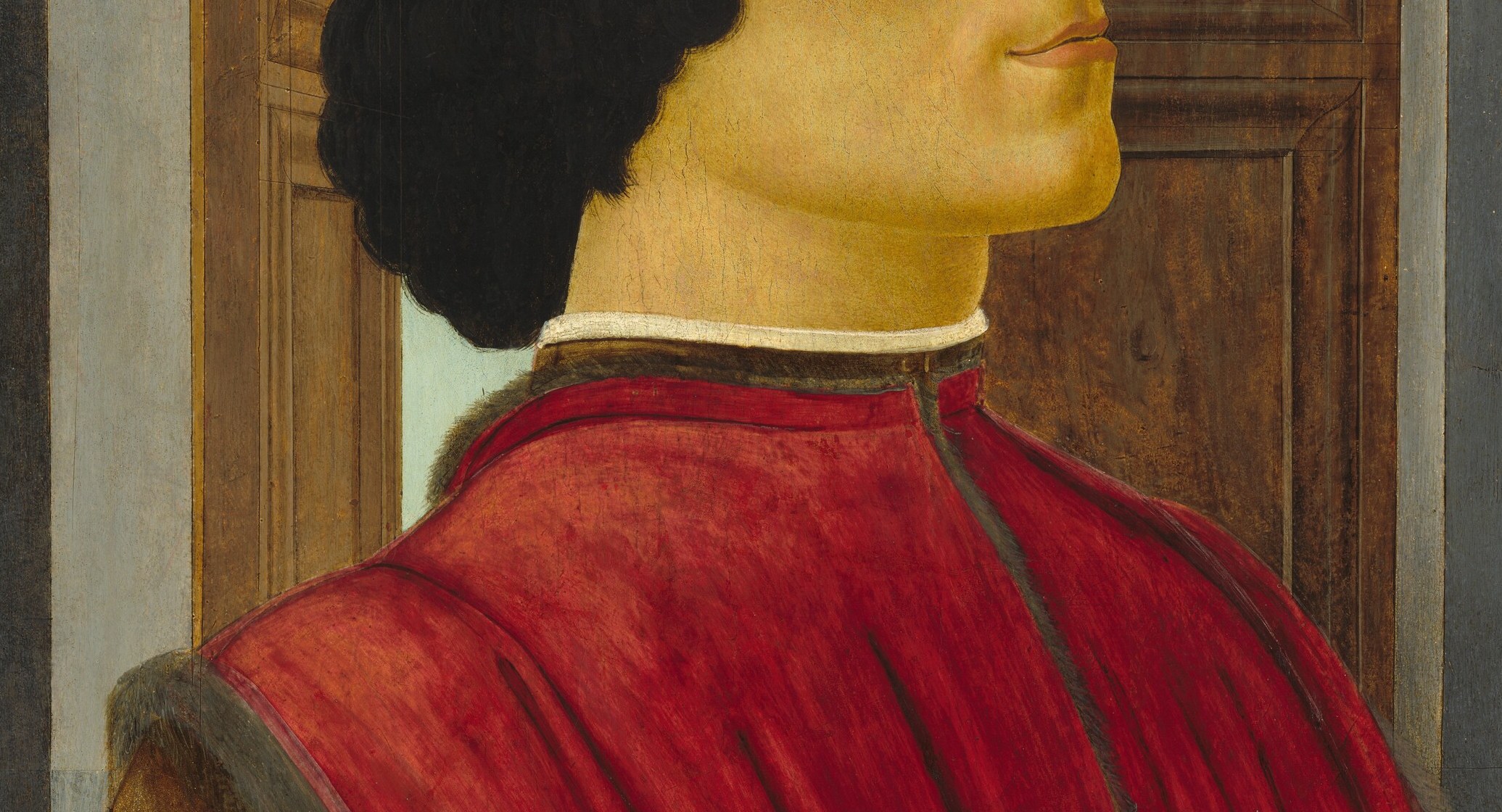
Giuliano was tragically murdered in the Florence Cathedral during the Pazzi Conspiracy of 1478, an attempt by a rival family to overthrow the Medici. Botticelli's choice of a strict profile view, with a composed expression and downward gaze, was a deliberate artistic convention for memorializing the dead, transforming a vibrant young man into an enduring icon.
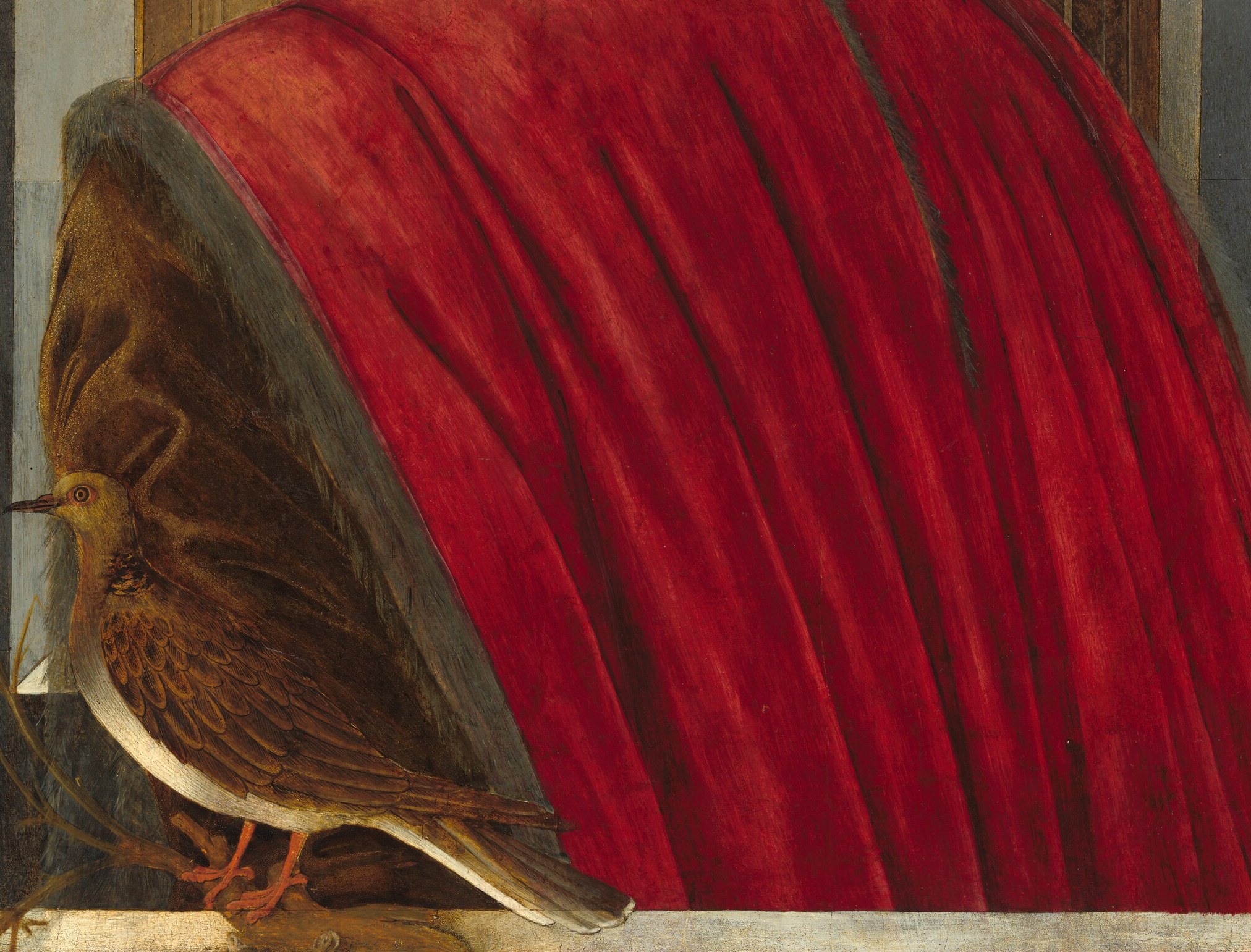
The vibrant red doublet and the elegant lines of his face emphasize his status and youth, forever preserving the memory of a life cut short. Botticelli, known for his masterful use of tempera, creates a powerful and poignant tribute.
What details in this portrait speak to you about Giuliano's legacy?
Details
Transcript
This is Giuliano de' Medici, brother of Lorenzo the Magnificent. But this portrait was painted after Giuliano was murdered. He was killed in Florence's Duomo during Sunday Mass, 1478. His assassins, the Pazzi family, sought to overthrow the Medici. This strict profile was a memorial convention for the martyred. The painter immortalized a young man, forever in the prime of life.