Large Vase with Flowers by Redon, Odilon
Odilon Redon, an artist known for his early haunting 'noirs' in charcoal and lithographs, made a dramatic shift to color around 1890. 'Large Vase with Flowers,' painted around 1912, is a vivid example of this later period, showcasing his mastery of oils and a newfound love for vibrant hues.
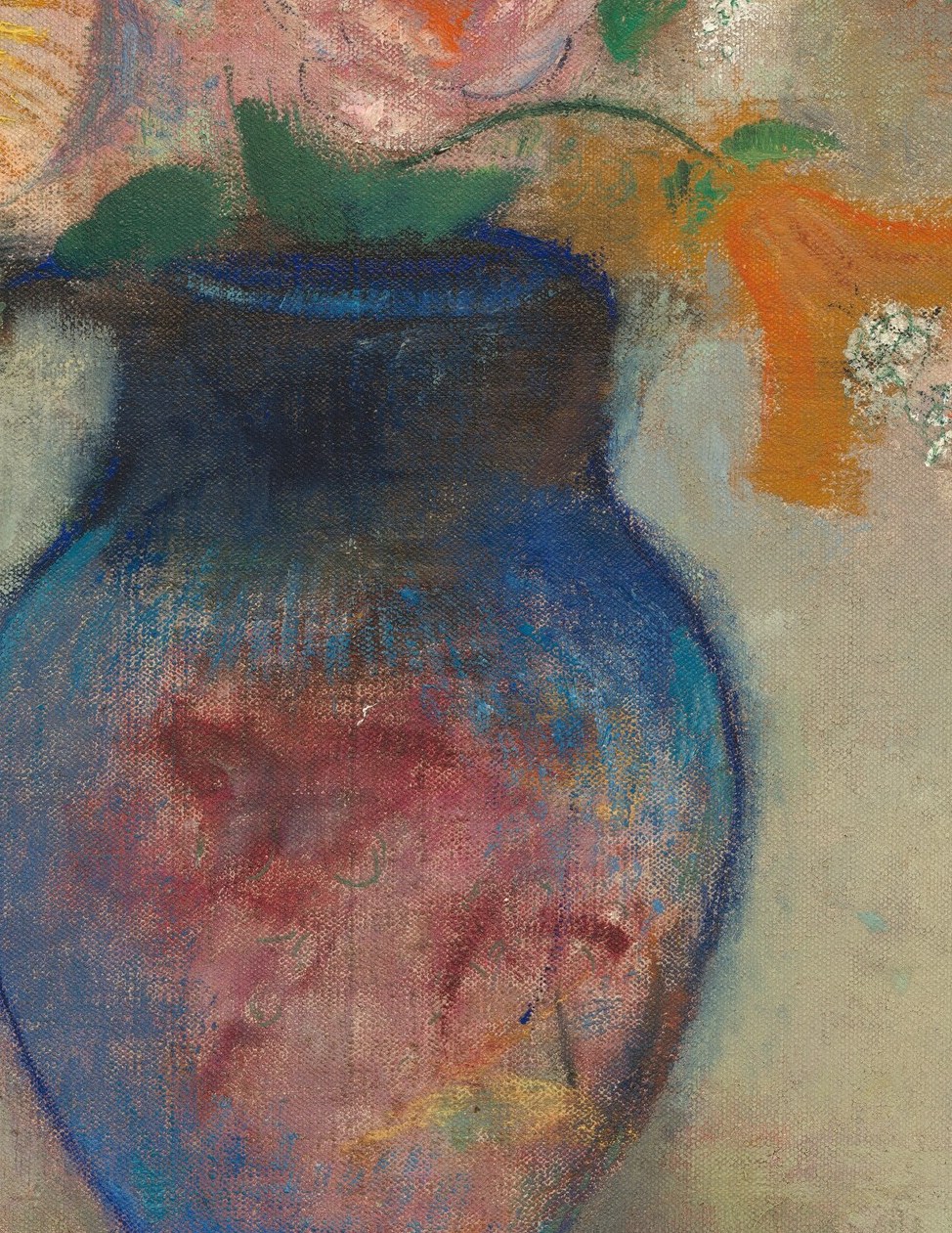
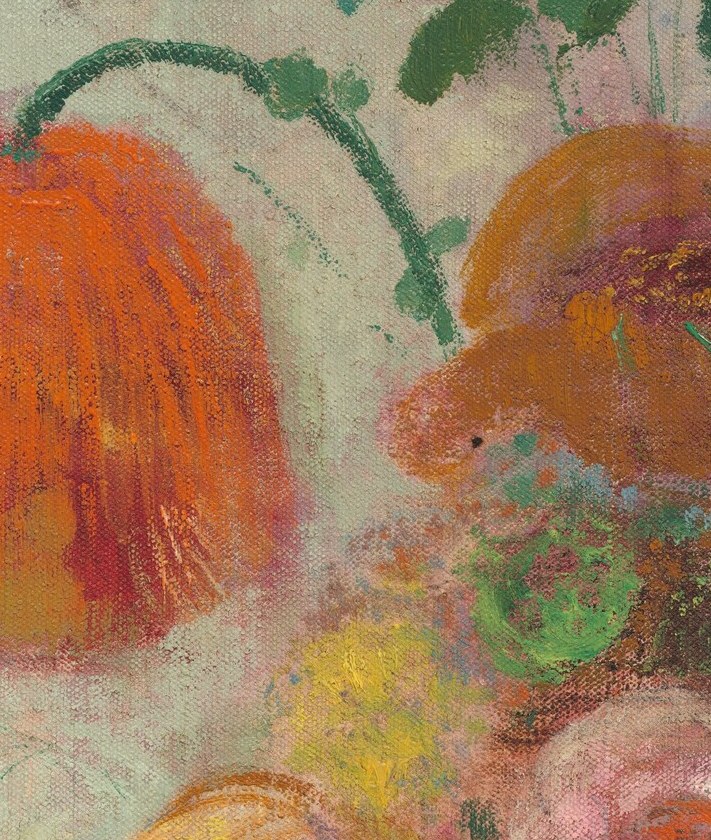
In this painting, held at the National Gallery of Art in Washington, Redon meticulously renders each bloom. Notice how the thick, layered application of paint, known as impasto, gives the petals a tangible texture, making the flowers seem to project from the canvas itself. This technique creates a striking three-dimensional effect, enhancing their lively presence against the dark background.
Redon's journey from introspective, monochrome visions to the radiant colors of still lifes like this one reflects a profound evolution in his artistic practice. It's a testament to his ability to reinvent his style, finding new ways to express the beauty of the natural world.
What do you find most striking about Redon's use of color in this piece?
Details
Transcript
For decades, this painter only worked in charcoal and black ink. His early works were haunting, monochrome visions of strange creatures. Around 1890, he suddenly shifted to vibrant color, like this painting. Look closely at these petals, especially the orange flower. He used thick, layered paint to make them pop from the canvas. This impasto technique gives the flowers a tangible, almost three-dimensional quality.