View of Lake Pepin, Minnesota by Robert Seldon Duncanson
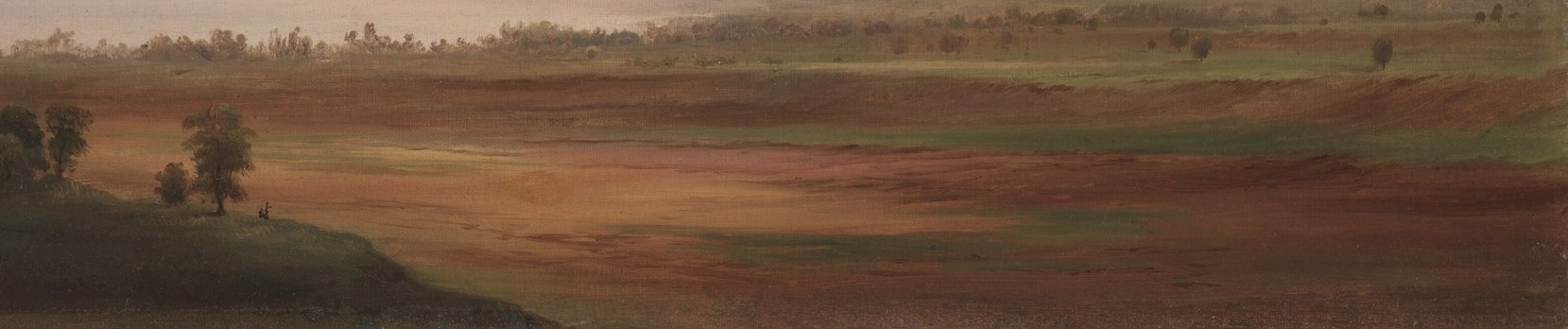
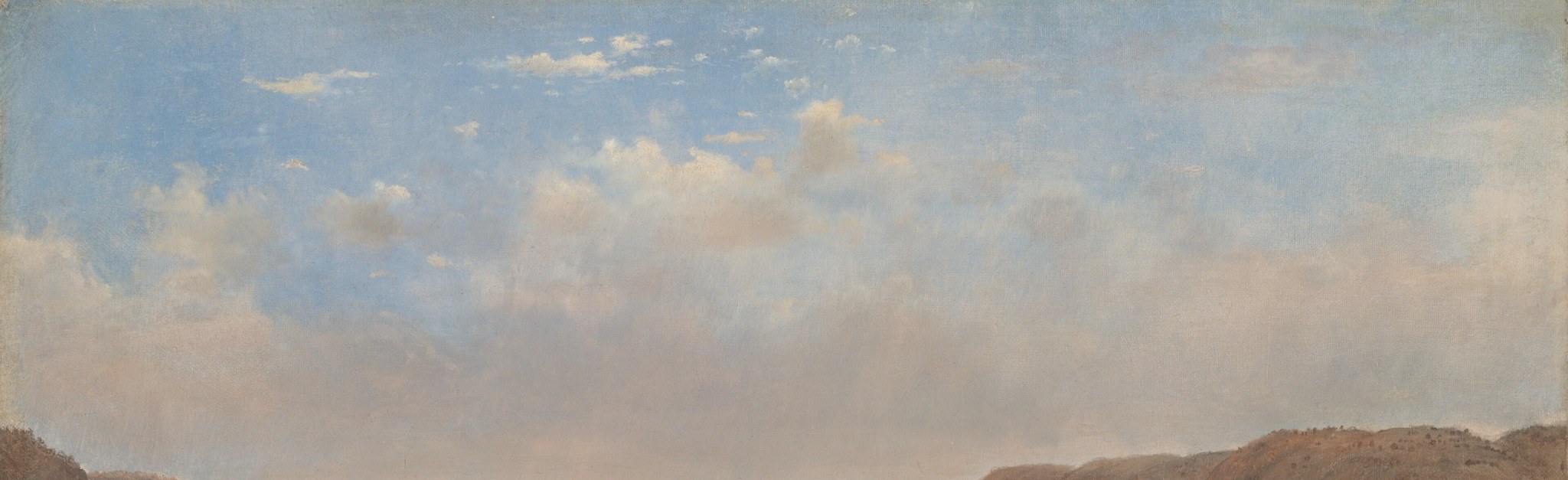
This serene painting, "View of Lake Pepin, Minnesota" by Robert Seldon Duncanson, painted in 1862, offers a tranquil escape, yet it was created during the tumultuous American Civil War. Held at The Cleveland Museum of Art, it is a testament to Duncanson's unique place in art history.
Observe the subtle play of light and shadow on the rolling hills and the expansive, calming lake surface. Duncanson's smooth brushstrokes and ethereal distant hills align with the Hudson River School aesthetic, emphasizing idealized natural beauty.
Duncanson, a free Black man, worked primarily from Cincinnati, a city bordering slave states. He gained international recognition, becoming a prominent figure whose landscapes resonated with abolitionists. Art historians continue to debate whether his works subtly address racial issues of his time or should be appreciated purely for their aesthetic qualities. How do you interpret the quiet power of this vista?
Details

Transcript
This peaceful view was painted in 1862, during the Civil War. Its painter, Robert S. Duncanson, was a free Black man. He worked from Cincinnati, a city on the border of slavery. He became the first African-American artist known internationally. His quiet landscapes appealed to abolitionists, in America and England. Some believe his art holds subtle metaphors for racial issues. Others argue his work should be seen without a racial lens.