A Boy Blowing Bubbles by Frans van Mieris the Elder
In Frans van Mieris the Elder's "A Boy Blowing Bubbles" from 1663, a seemingly simple scene hides a tiny, charming detail.
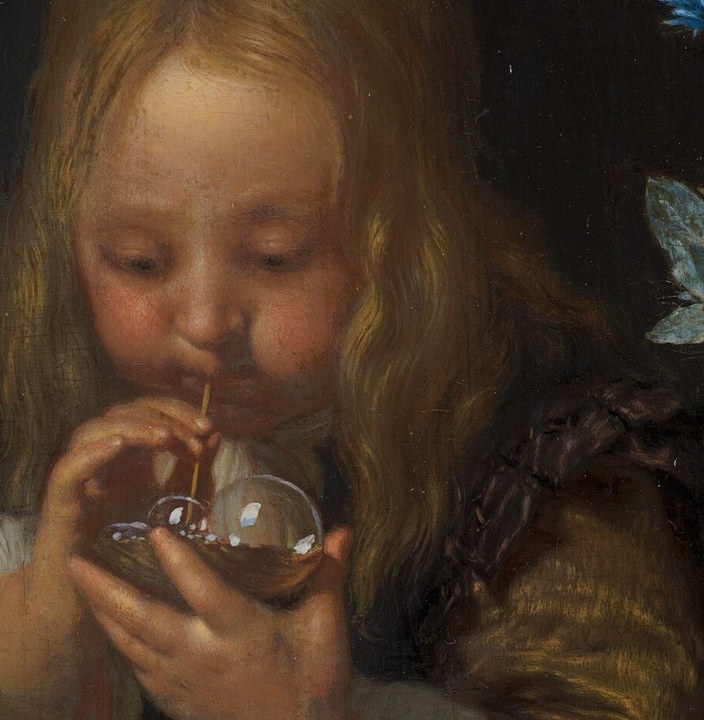
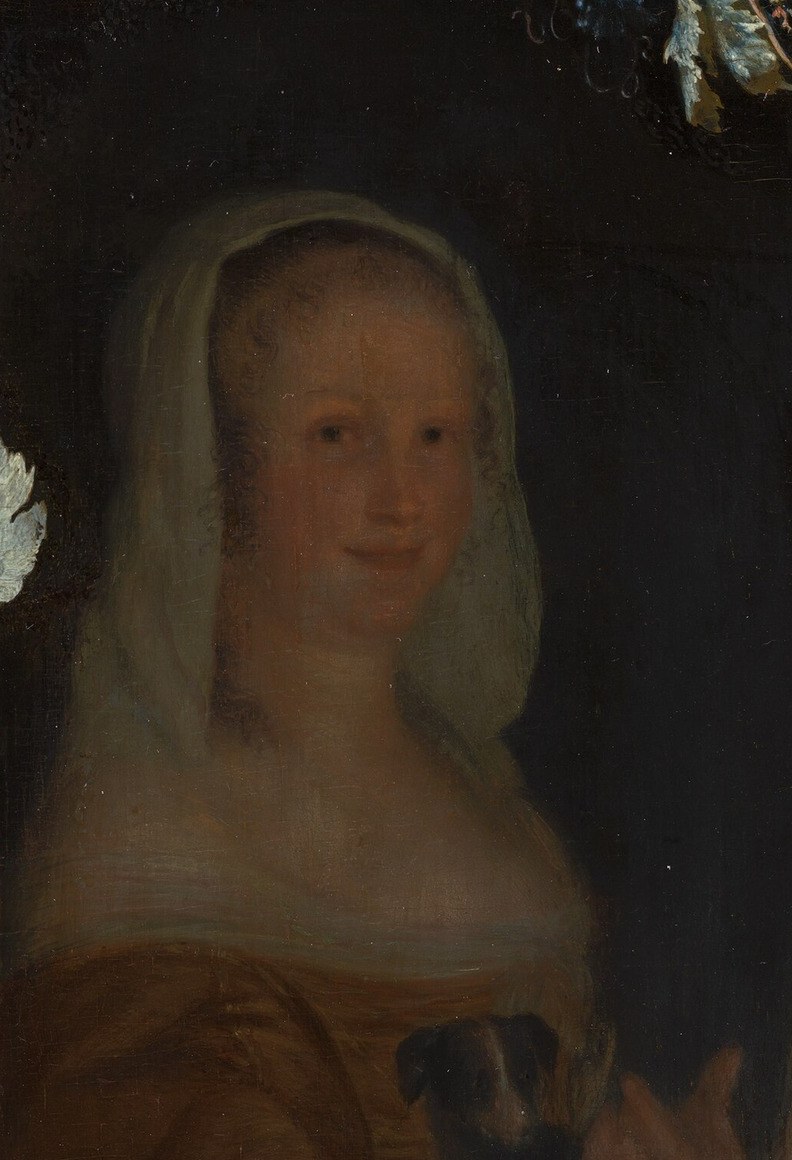
The painting centers on a young boy intently blowing a soap bubble, a common motif in Dutch Golden Age art symbolizing the transience of life. His focused expression, the fragile, iridescent bubble, and the wilting sunflower in the background all reinforce this theme. A woman watches, adding a quiet, domestic feel.
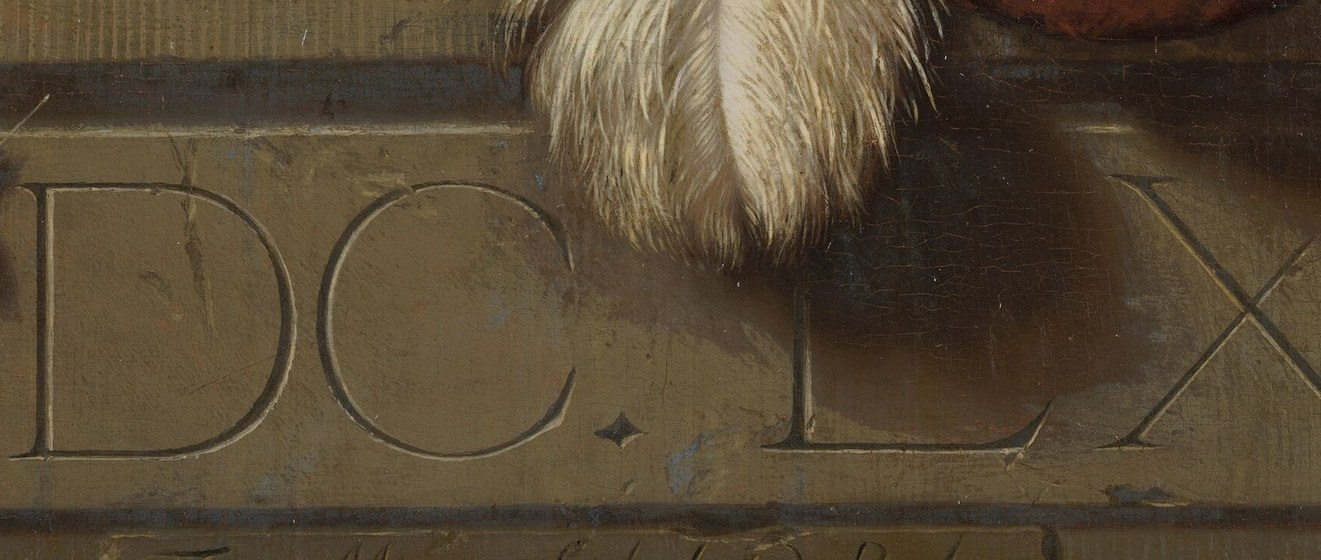
Van Mieris, a master of meticulous detail and refined technique, grounded this allegorical scene in reality. Look closely at the window frame in the lower right, and you'll spot the Roman numerals MDCLXIII, indicating the year 1663. And perched right on that inscription is a tiny, unexpected snail, adding a whimsical touch of everyday life.
This small, often-missed detail brings a sense of specific time and a touch of the natural world into a painting rich with meaning. What other tiny creatures might be hiding in paintings?
Details
Transcript
This painter was famous for his detailed, everyday scenes. Here, a boy concentrates on blowing a delicate bubble. Bubbles like these symbolized life's fleeting nature. A woman and a sunflower watch time pass in the background. Now look closely at the window frame, lower right. The artist dated his work: MDCLXIII, or 1663. And a tiny snail crawls across the year.