Western Gentleman in Oriental Costume by http://www.wikidata.org/.well-known/genid/547e2752339a96f6641ff375f403af84
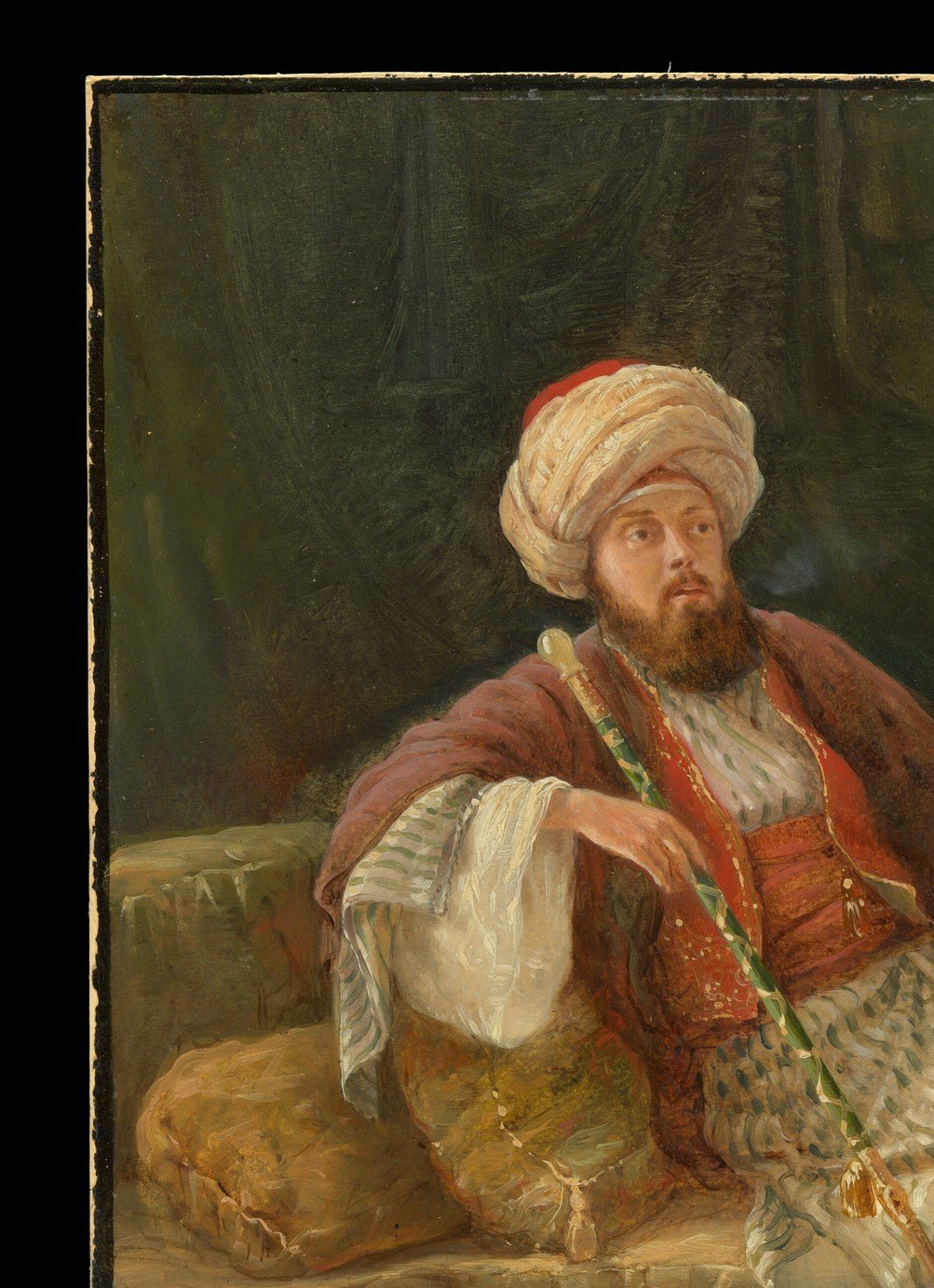
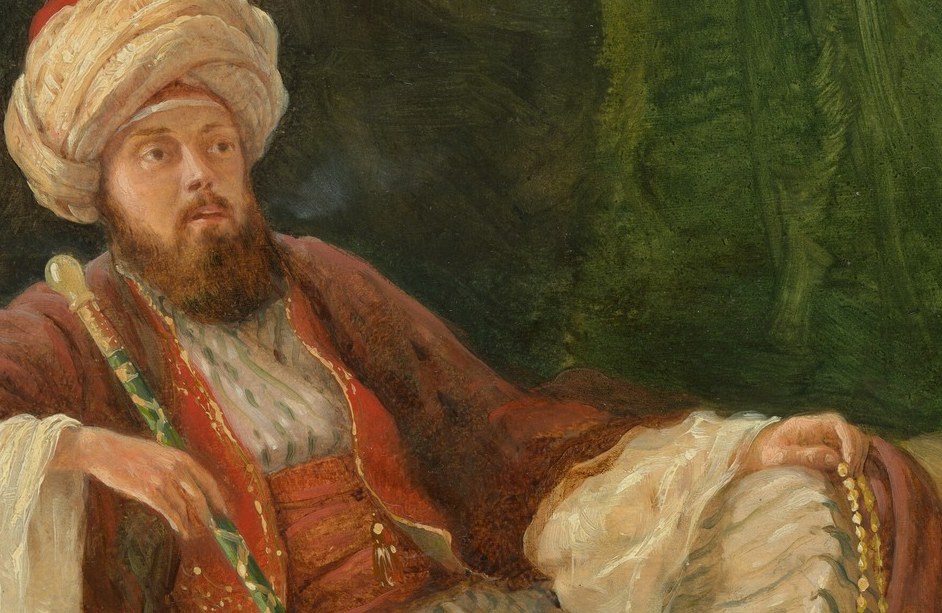
A Western man in an imagined East. This is "Western Gentleman in Oriental Costume" by Francesco Hayez, painted in 1842. It hangs today at the Museo Poldi Pezzoli in Milan, but the room the work depicts never existed. It was all constructed inside a studio, and inside a life.
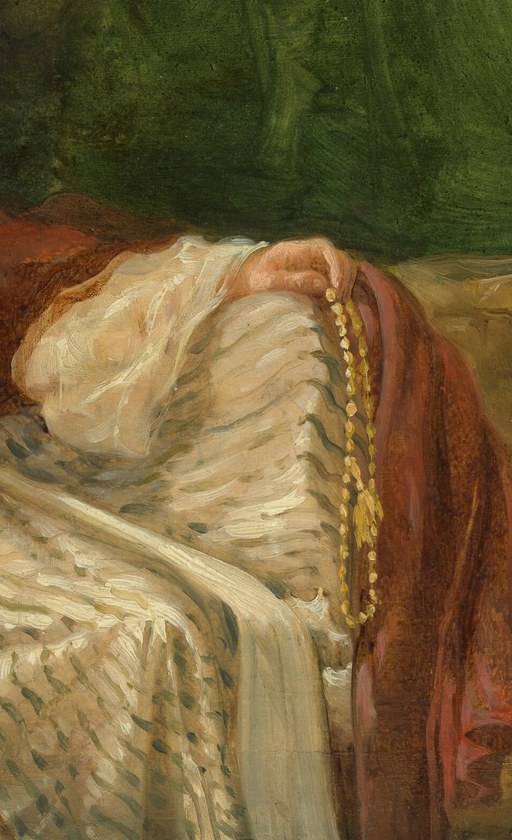
Look at the details of the costume. The red and white turban is layered with precision but it is a theatrical prop, not an accurate reproduction of an Ottoman headdress. The same is true for the ornate cane in his right hand; it is a European gentleman's accessory dressed up with exotic styling. The figure in this painting is not hiding. He is acting, and his calm, detached gaze lets you know he is fully aware of the game.
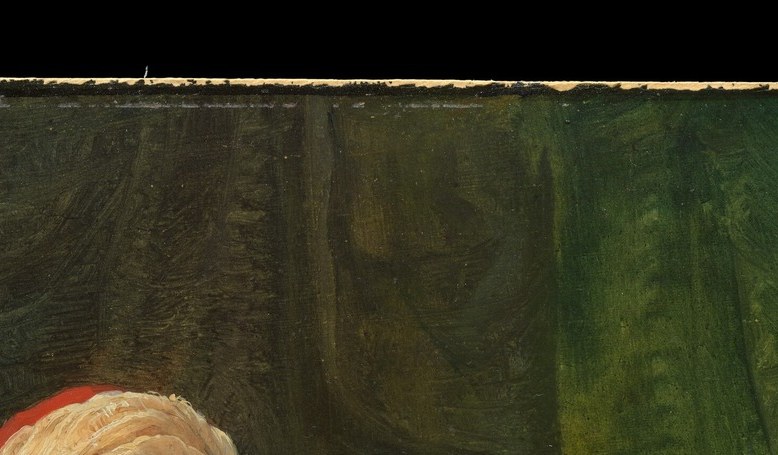
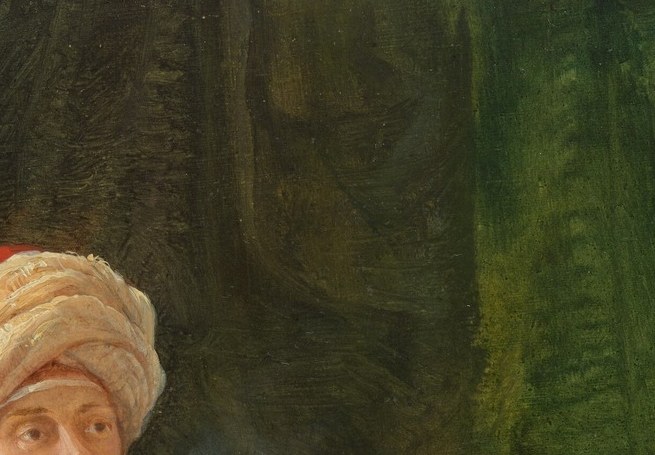
Hayez was the leading Romantic painter in Milan, a city that was then under Austrian rule. Orientalist fantasies were in vogue across Europe, but this painting is specific in its strangeness: the sitter commissioned it to memorialize a costume he had adopted not for a single party, but for the rest of his worldly life. The green draped backdrop is just that, a studio backdrop. The architectural glimpse in the upper right is a suggestion of an Eastern interior, nothing more.
There is a quiet pathos in committing your public identity to a fiction this fully. The painting is not just a record of a man in fancy dress; it is a record of a man who wanted to be seen as someone else, and who had the means to make the rest of the world look at him that way.
Details
Transcript
He never visited the East. Every detail was invented in a studio. The turban is a Western fantasy of Ottoman life. His gaze is calm but detached, the look of a performer. The cane is European. The slippers are Eastern. He lived the rest of his life in public dressed this way.