Still-life with a Tall Beer Glass by Jan Jansz van de Velde
In Jan Jansz van de Velde's 1647 "Still-life with a Tall Beer Glass," a master of the Dutch Golden Age reveals himself not through a signature, but through a tiny, hidden self-portrait within the painting itself.
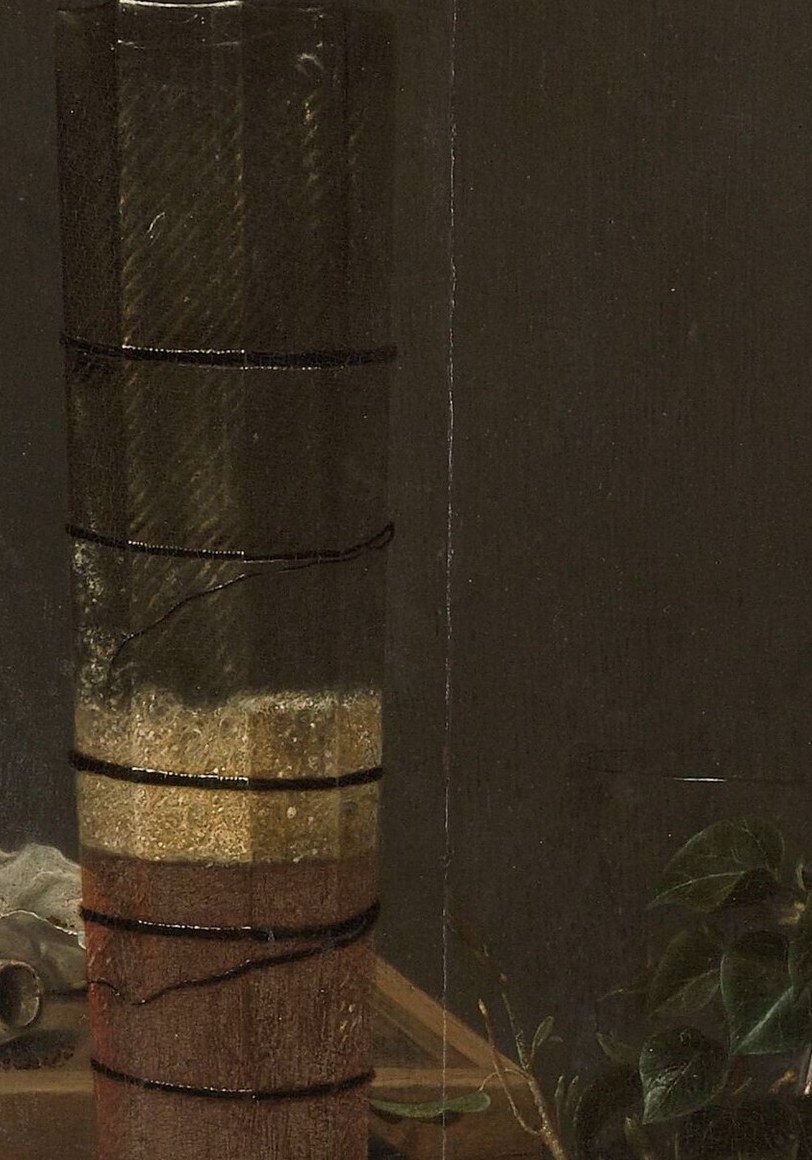
Look closely at the tall, dark beer glass. Amidst the rich, frothy head and reflective surface, you'll discover a minuscule face, the artist himself, subtly rendered. This detail is often missed, a playful and private touch from the painter.
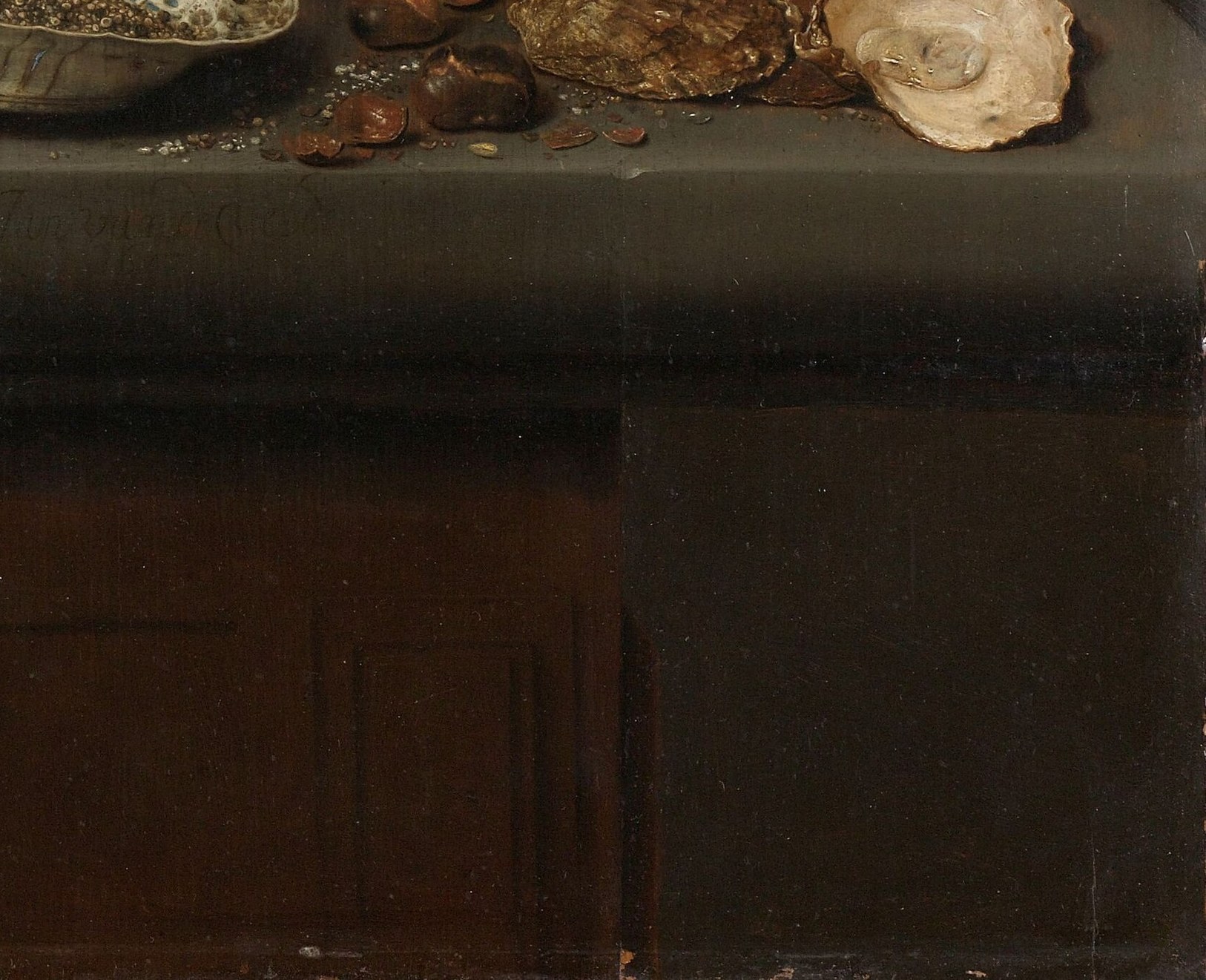
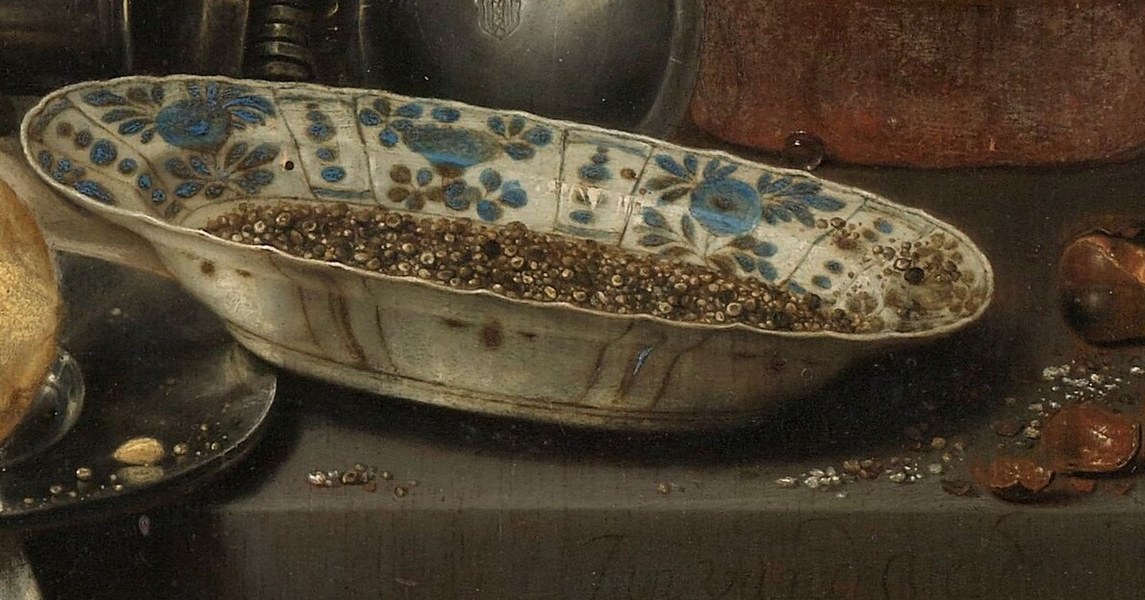
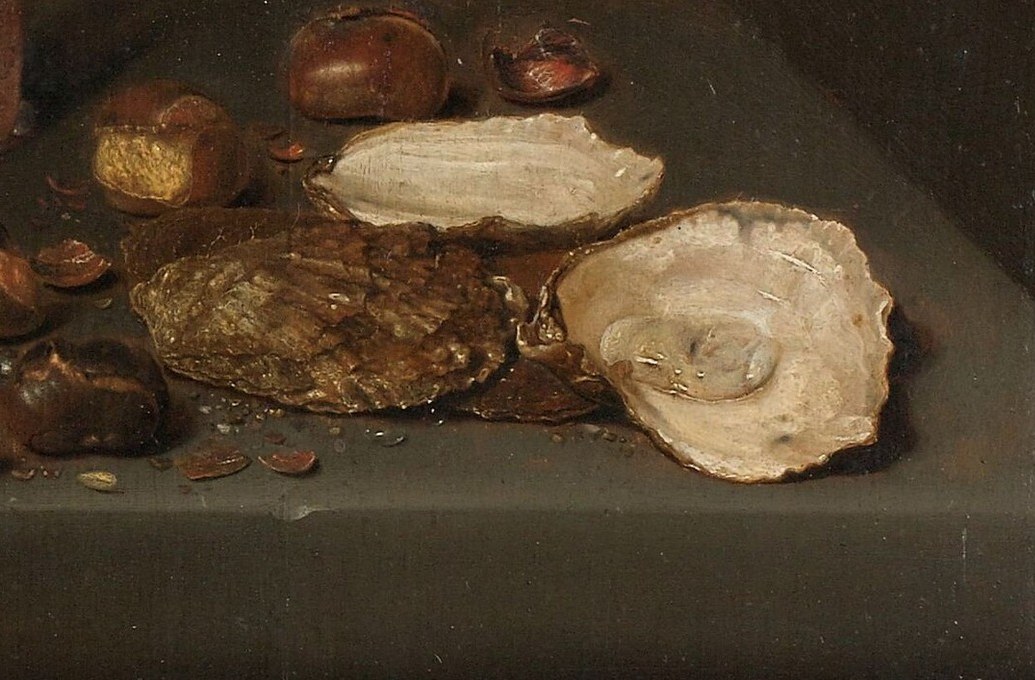
Van de Velde, who worked in Haarlem, was known for his skillful use of chiaroscuro, creating dramatic contrasts of light and shadow that bring his still lifes to life. This technique is evident in how the light catches the oysters, hazelnuts, and the intricate blue-and-white plate, making the objects almost tangible.
This painting, housed at the Rijksmuseum, is more than just a depiction of everyday objects; it's a testament to the artist's subtle wit and technical prowess. What other hidden stories do you think a painter might conceal?
Details
Transcript
This 17th-century still life invites a closer look. Notice the dark beer, the oysters, the scattered hazelnuts. The painter used light and shadow to create dramatic depth. This artist, Jan Jansz van de Velde, worked in Haarlem. Many details appear in the reflections. But the real hidden detail is here, in the tall glass. He painted himself reflected in the beer.