Portrait of a Man by American 19th Century
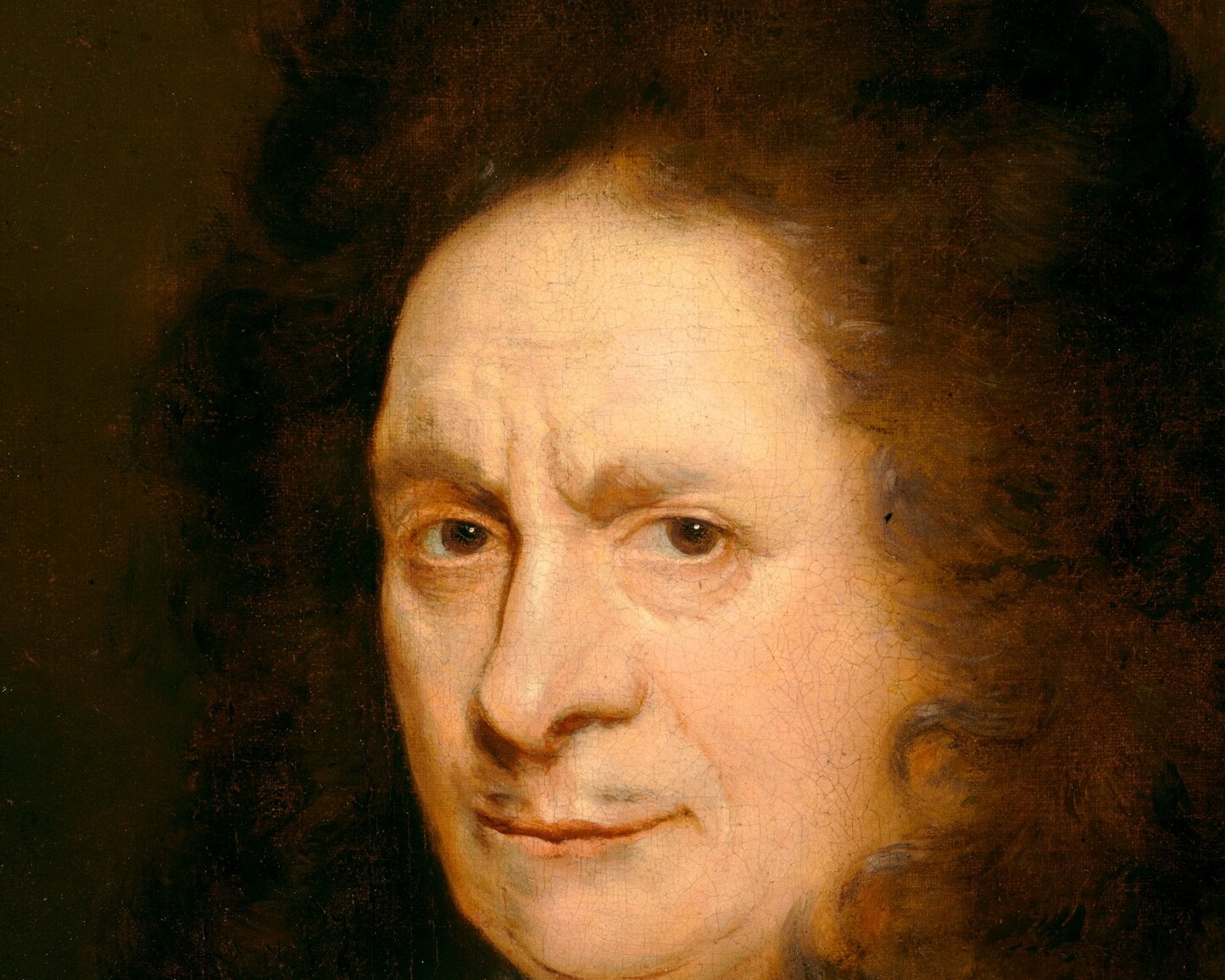
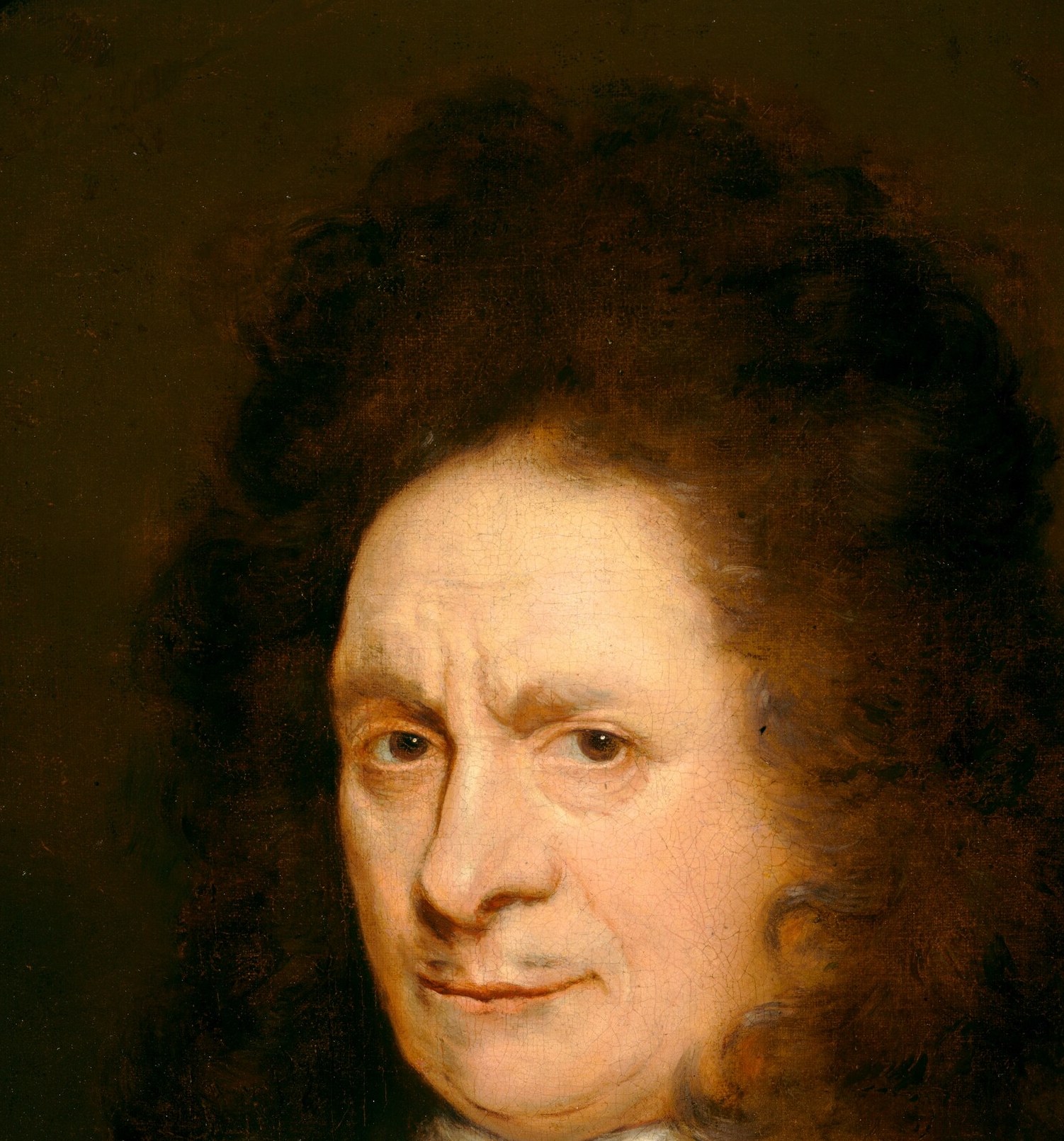
This "Portrait of a Man," painted around 1810 by an unknown American artist, captures a specific individual with an unflinching realism rare for its time. The artist chose to render the sitter's true appearance, rather than flattering him.
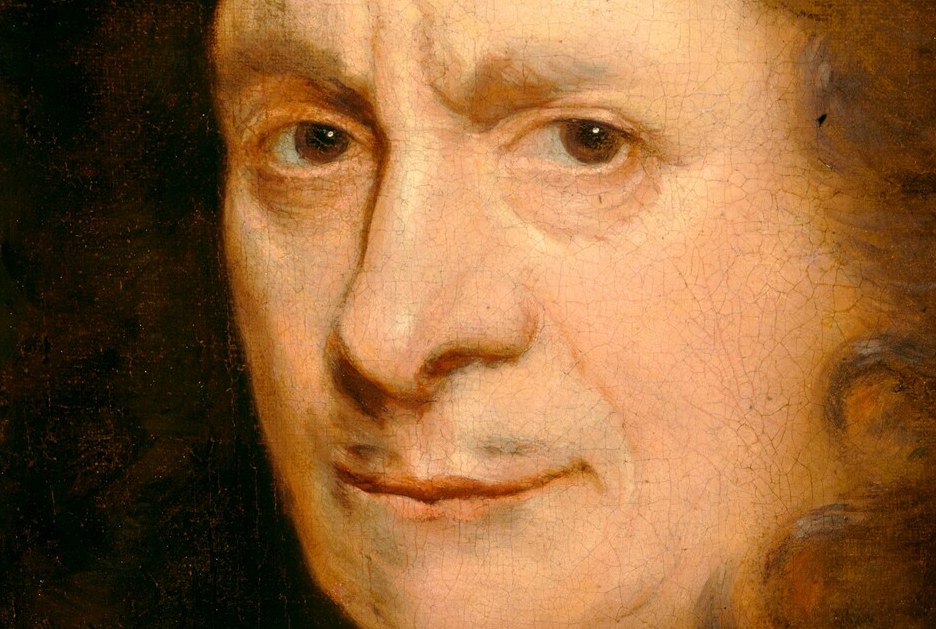
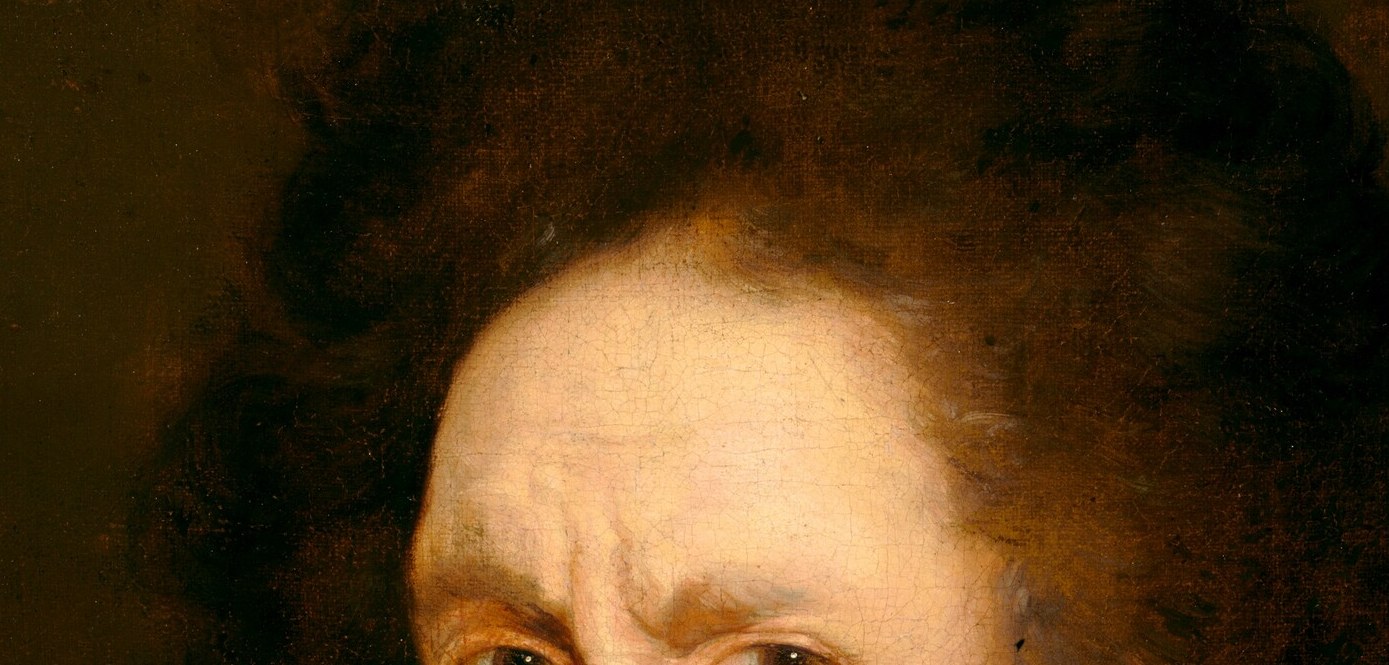
Look closely at his face: the ruddy complexion, the firm-set mouth, and the pale, steady gaze. Even his receding auburn hairline is depicted with honest specificity, making this a true character study.
The use of oil on wood allowed for precise detail, bringing a sense of dignified presence to this man. It reflects the American portraiture conventions of the early 19th century, valuing a formal yet direct representation of the individual.
This painting is a window into a past life, inviting us to ponder the identity of this determined individual.
Details
Transcript
This portrait of a man was painted around 1810. Notice his ruddy complexion, a sign of an outdoor life. His mouth is set firm, conveying a quiet determination. His pale eyes hold a steady, slightly guarded gaze. The artist rendered him exactly as he was, receding hairline and all. This unflinching realism makes him feel truly present today.