New York Harbor by Lane, Fitz Henry
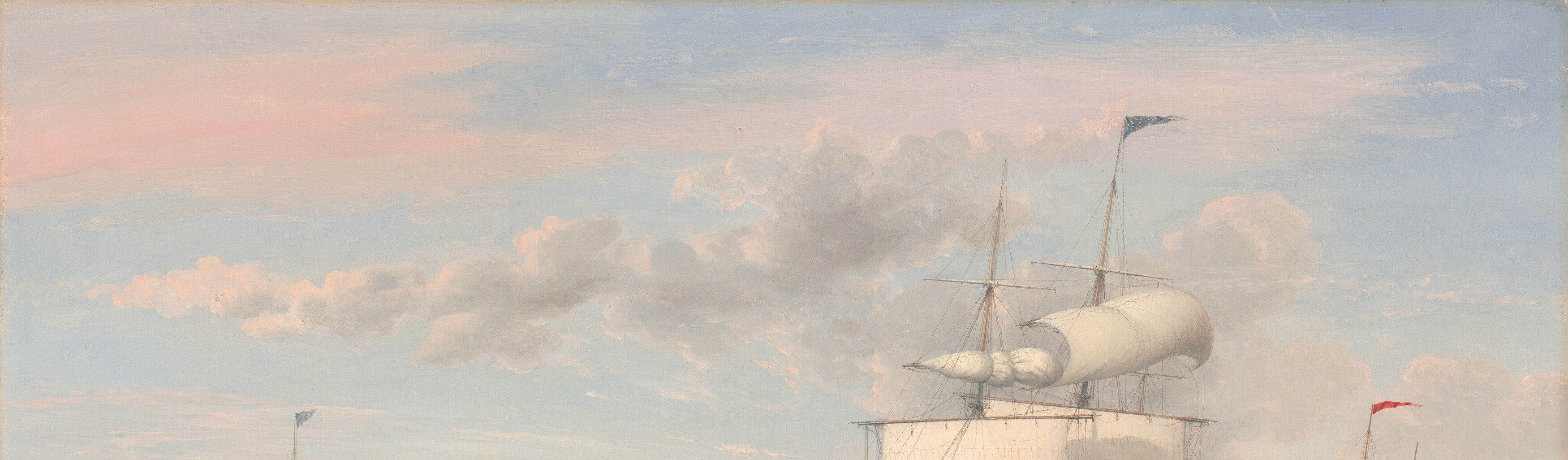
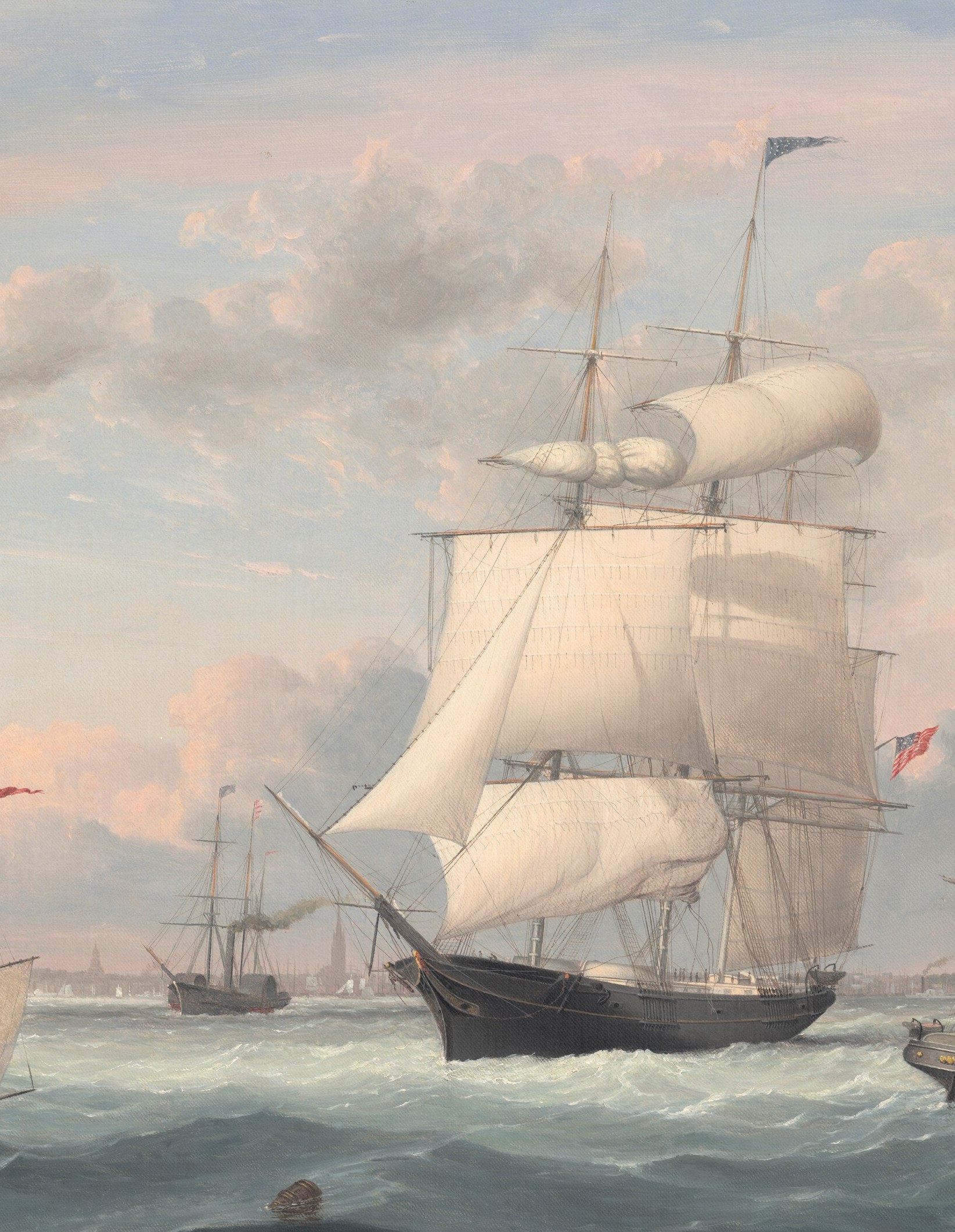
Fitz Henry Lane's "New York Harbor," painted in 1852, captures a moment in time when New York was rapidly becoming the world's most vital port. This oil on canvas, housed in a private collection, appears at first glance to be a serene maritime scene, but it cleverly conceals the scale of commercial activity.
Look closely at the distant horizon where the faint outline of New York City emerges. The city, still relatively small, is about to experience an economic boom, fueled by the very maritime traffic depicted in the painting. Lane, known for his precision and luminist style, often infused his works with a sense of calm and order.
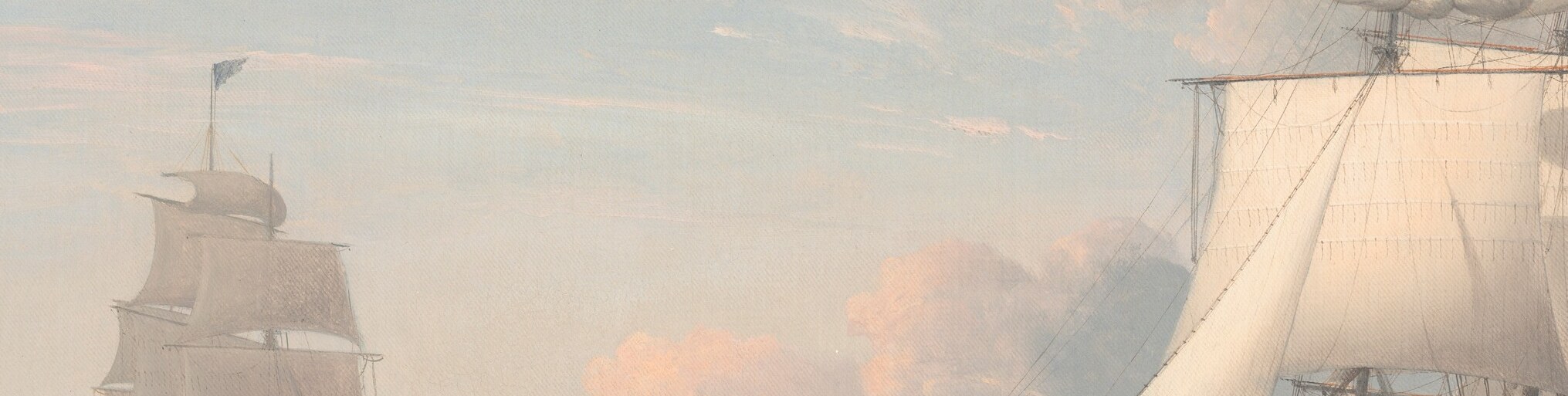
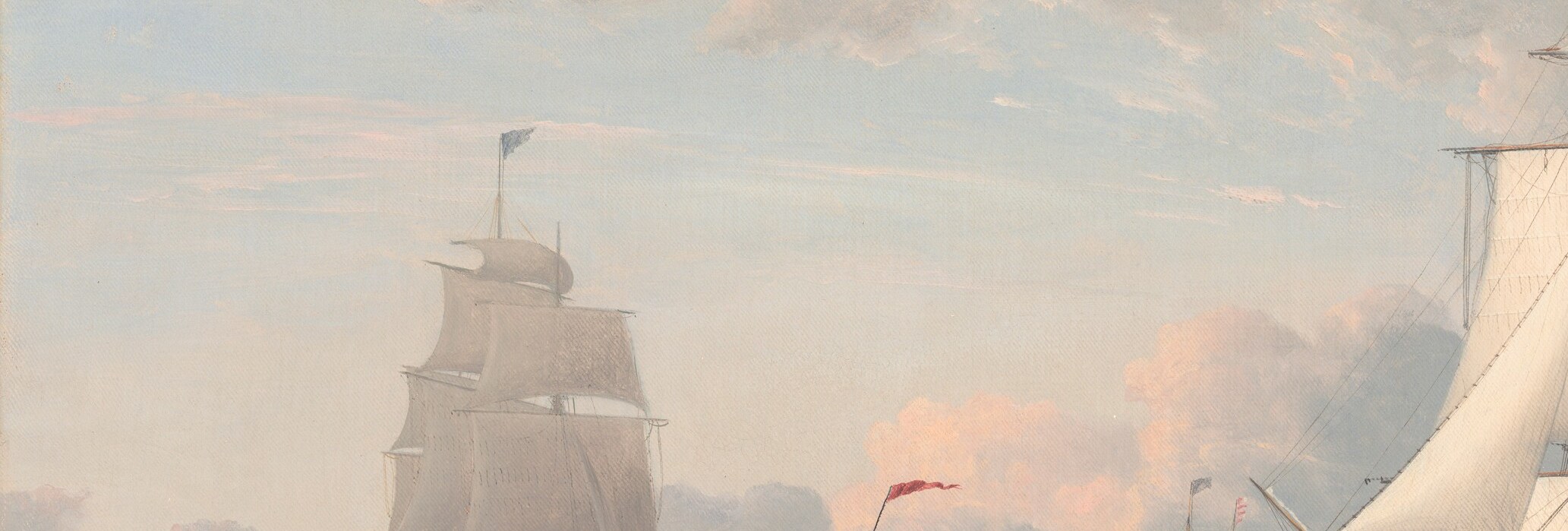
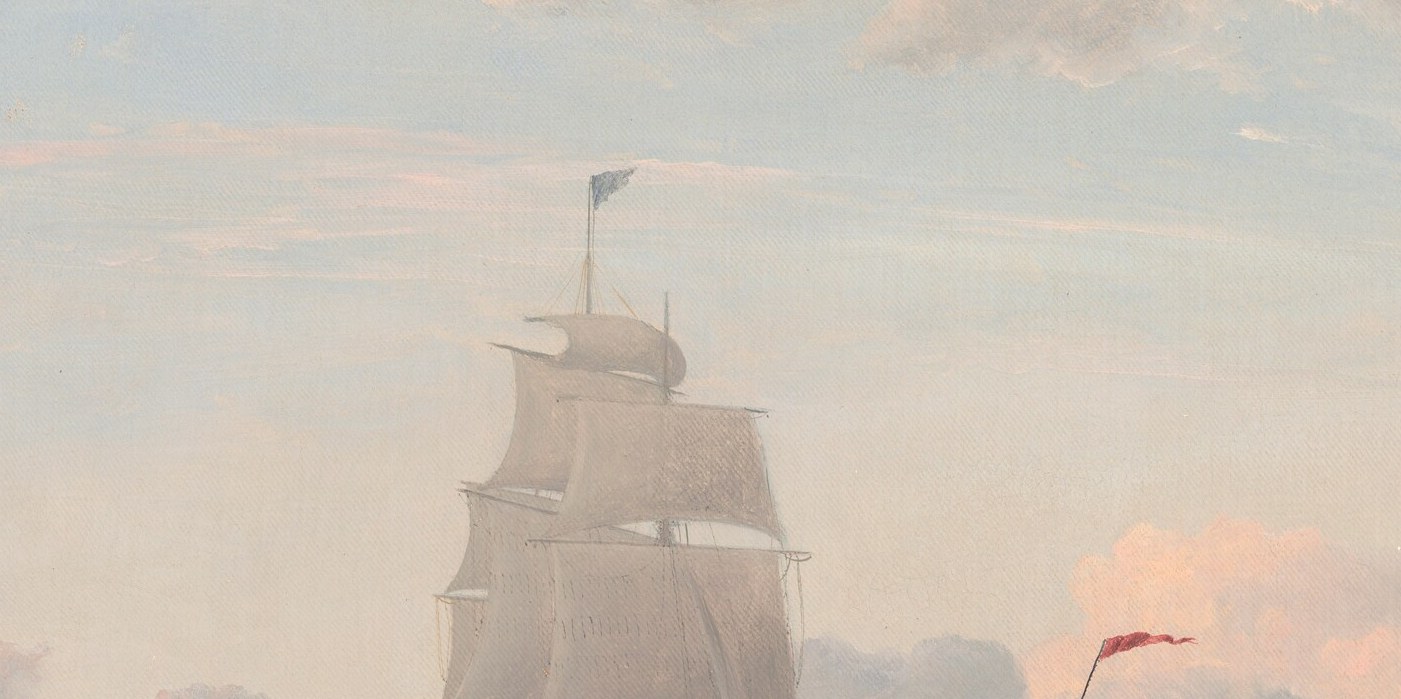
However, a closer inspection of the atmospheric haze in the background reveals many faint, almost ghost-like ships. These aren't just artistic details, but a visual representation of the immense number of vessels constantly entering and leaving the harbor in 1852, underscoring the true commercial power of the era.
Lane's background as a lithographer is evident in the meticulous detail of the rigging and the clear depiction of the water's surface. "New York Harbor" isn't just a beautiful painting; it's a historical document of a city on the cusp of greatness.
Details
Transcript
New York, 1852. The world's busiest port. This painter was known for his calm, luminous harbor scenes. Look closer at the distant horizon line. The faint city barely hints at its explosive future. Now look into the misty background. Dozens of 'ghost ships' dissolve in the haze. These are the true measure of 1852's booming trade.