A North Carolina Mountain Woman by Lucy May Stanton
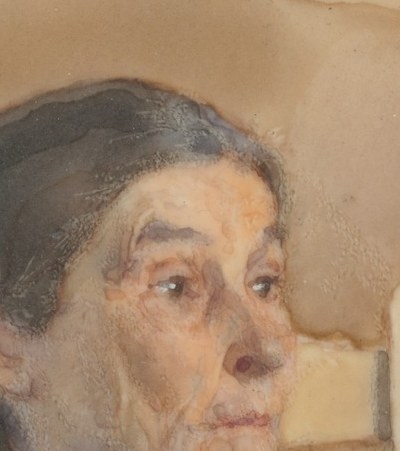
Lucy May Stanton built her reputation on miniature portraits, tiny, jewel-like paintings on ivory of wealthy women in fine dress. Then in 1916 she painted this, a full-size oil on canvas of a woman in a plain dark shawl, and it entered the Metropolitan Museum of Art as one of her strongest works.
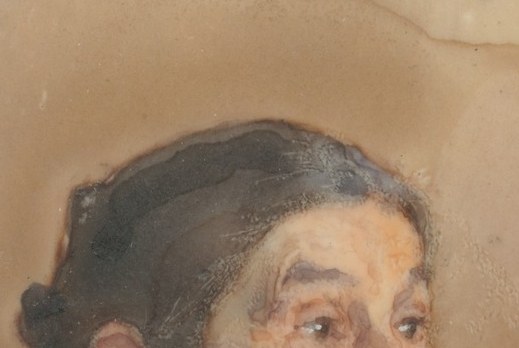
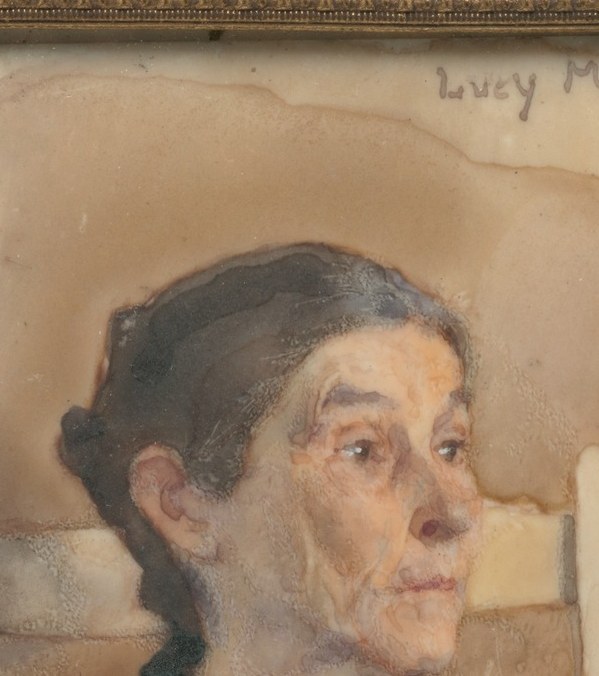
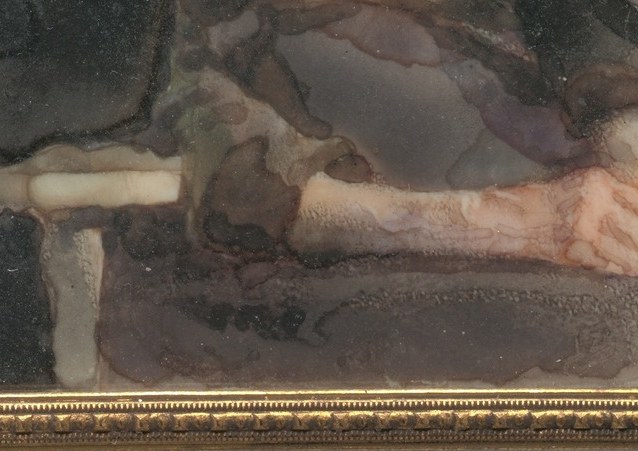
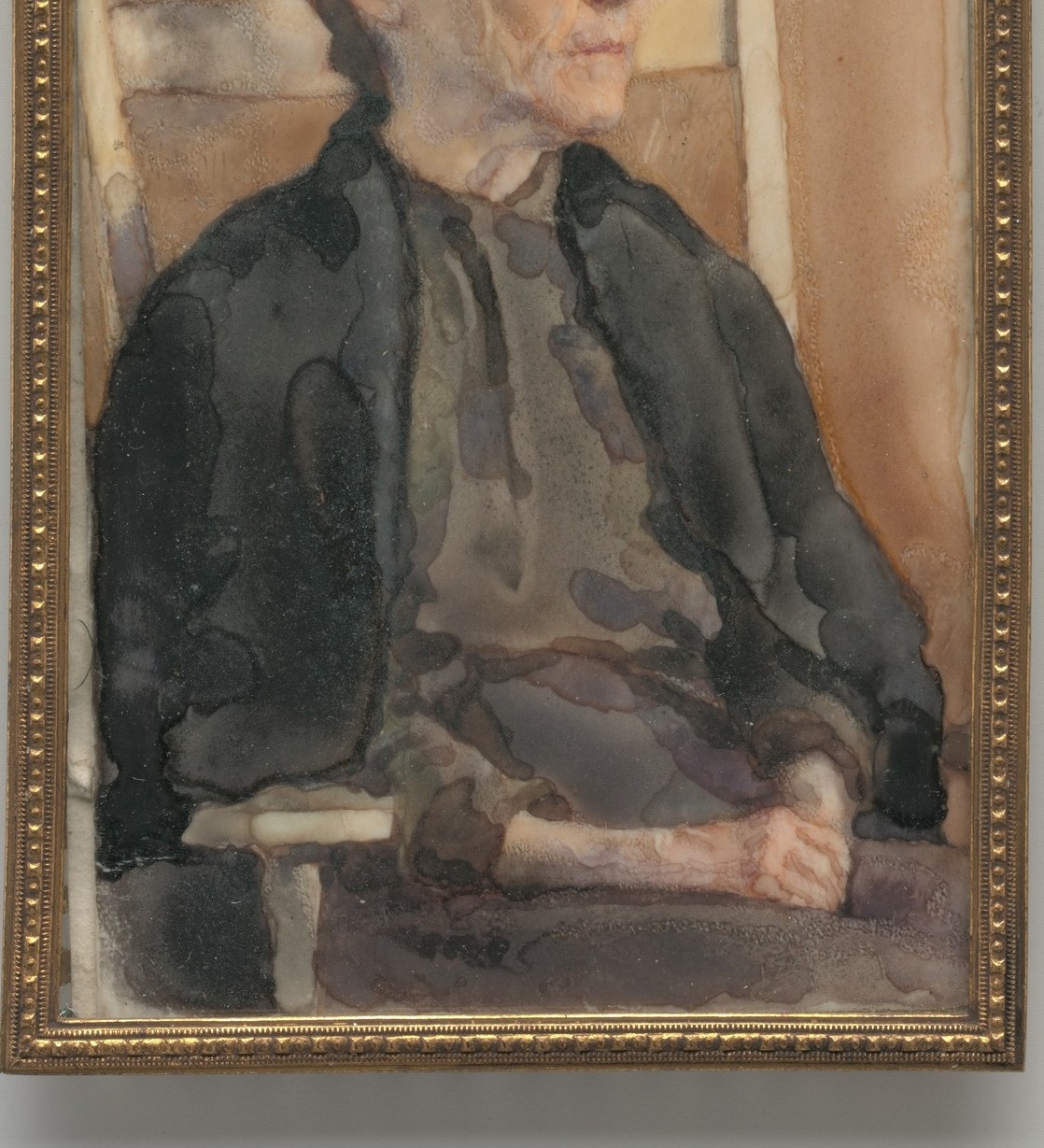
The sitter was not a mountain stranger she happened upon. She was Tennessee Young, the housekeeper in Stanton's own household. Stanton knew her face, her hands, her composure, and she painted all of it without condescension, the direct gaze, the light falling across the left cheek, the loosely folded hands that had done a lifetime of work.
Stanton trained in Georgia and Paris, and she knew the weight that a dark background and raking side-light could give a subject. She used the same tonal gravity the Dutch masters reserved for merchants and scholars, and she gave it to a woman that early critics casually labeled a 'peasant type.' The Met later called it her finest large-scale portrait.
When you stand in front of it, the eyes don't let you look away. Neither does the fact that this is a portrait of two women, really: the woman in the shawl, and the woman who chose to paint her this way.
Details
Transcript
She meets your eye and does not smile. Not a performance. This is who she is. Her name was Tennessee. She worked in the artist's own house. These hands kept a household running every day for years. Lucy Stanton was known for painting society women in miniature. And then she painted this. A Metropolitan Museum curator later called it her finest large-scale portrait. She gave a working woman the gravity of a Dutch portrait.