The Rape of Helen by Jacopo Tintoretto
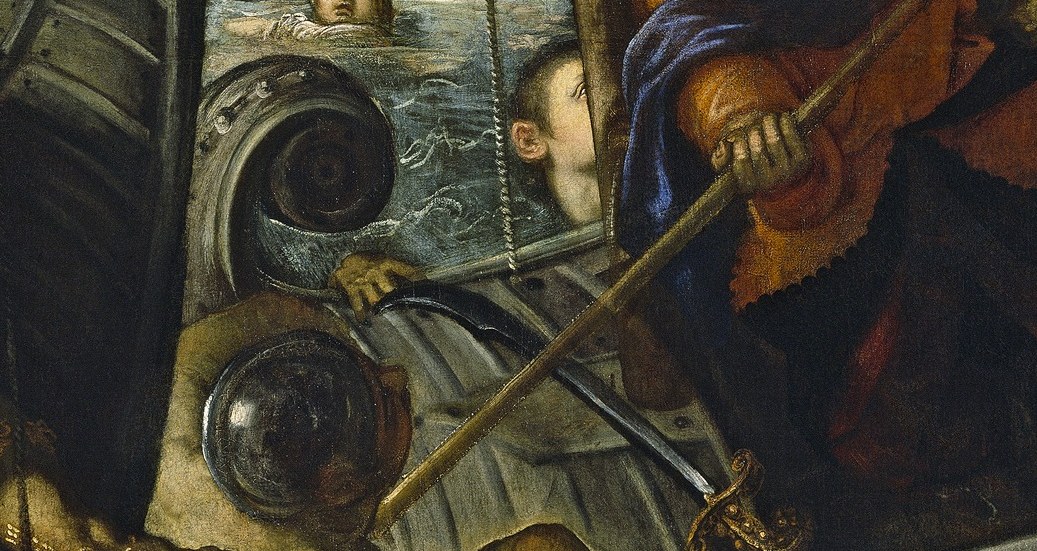
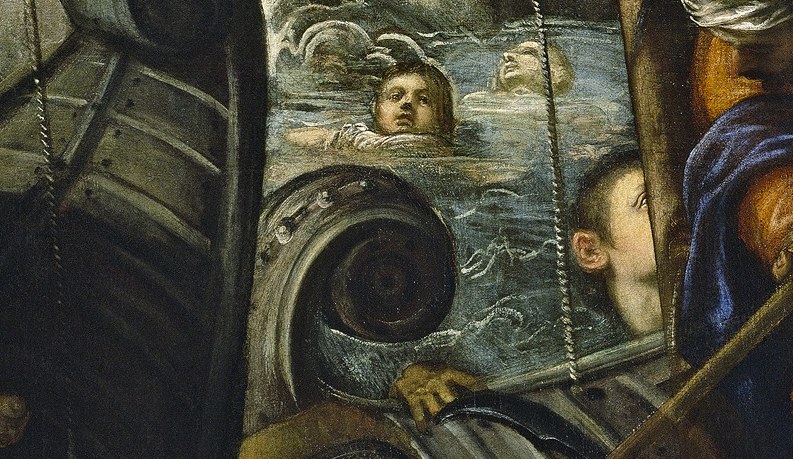
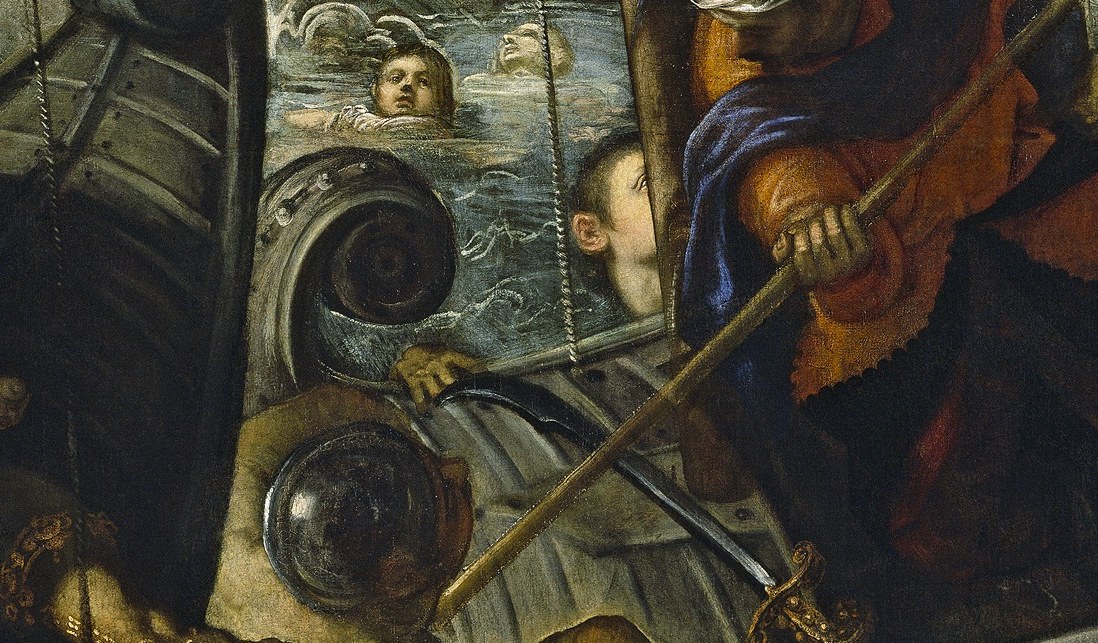
Jacopo Tintoretto's "The Rape of Helen," painted circa 1578, captures a pivotal moment from classical mythology with dramatic intensity. Housed at the Museo del Prado, this Mannerist oil painting depicts Helen of Troy not as a passive victim, but unusually, in armor, wielding a sword.
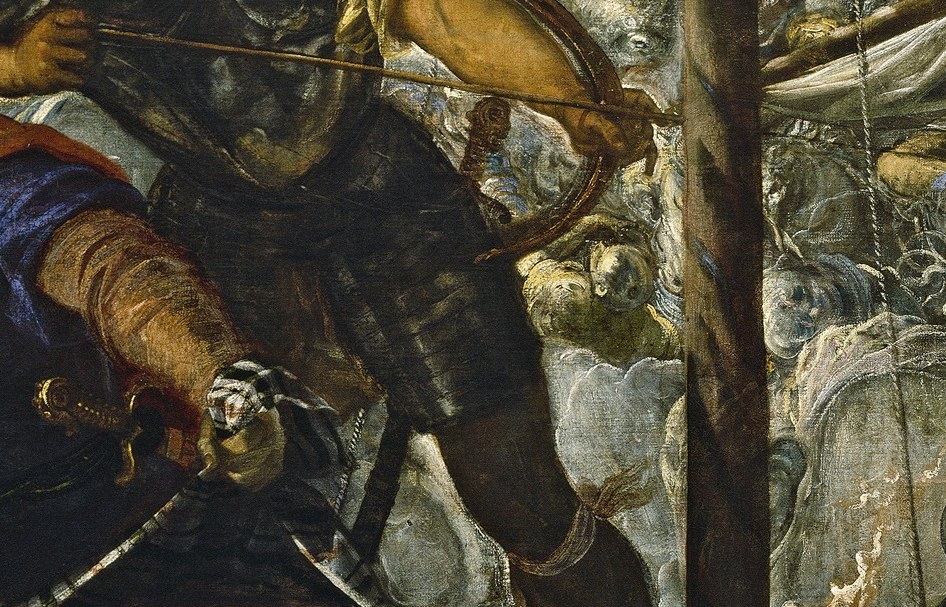
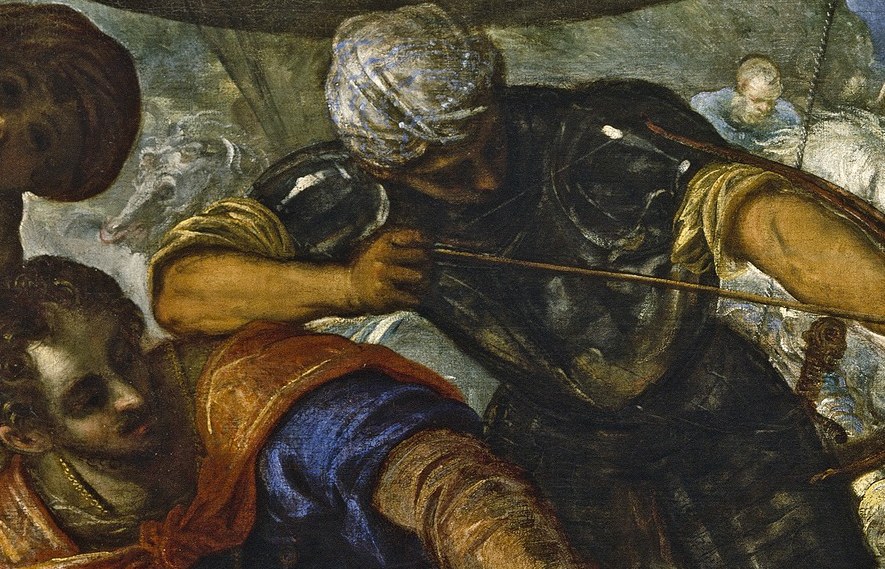
Tintoretto, known as 'il Furioso' for his energetic approach, fills the canvas with dynamic figures. Observe the abductor's strenuous effort to pull Helen into the boat, his sword ready. Notice the figure with the blue turban, blindfolded yet determinedly rowing, underscoring the chaotic and forceful nature of the event.
This painting exemplifies Tintoretto's bold brushwork and use of chiaroscuro, guiding the viewer's eye through the tumultuous scene with striking contrasts of light and shadow. The violent abduction of Helen traditionally sparked the Trojan War.
What do you find most striking about Helen's unusual depiction in this dramatic scene?
Details
Transcript
This is Helen of Troy, in the middle of her abduction. She is unusually depicted in armor, holding a sword. The painter was known for his speed and bold brushwork. Here, the abductor strains to pull her into his boat. Look closely at the figure rowing with a blindfold. His determined posture suggests his role in this chaos.