La Machine de Marly by Alfred Sisley
In *La Machine de Marly*, painted by Alfred Sisley in 1873, a monumental piece of 17th-century engineering stands prominently on the Seine River. This isn't just any building; it's the famed Machine de Marly, a critical hydraulic pumping station.
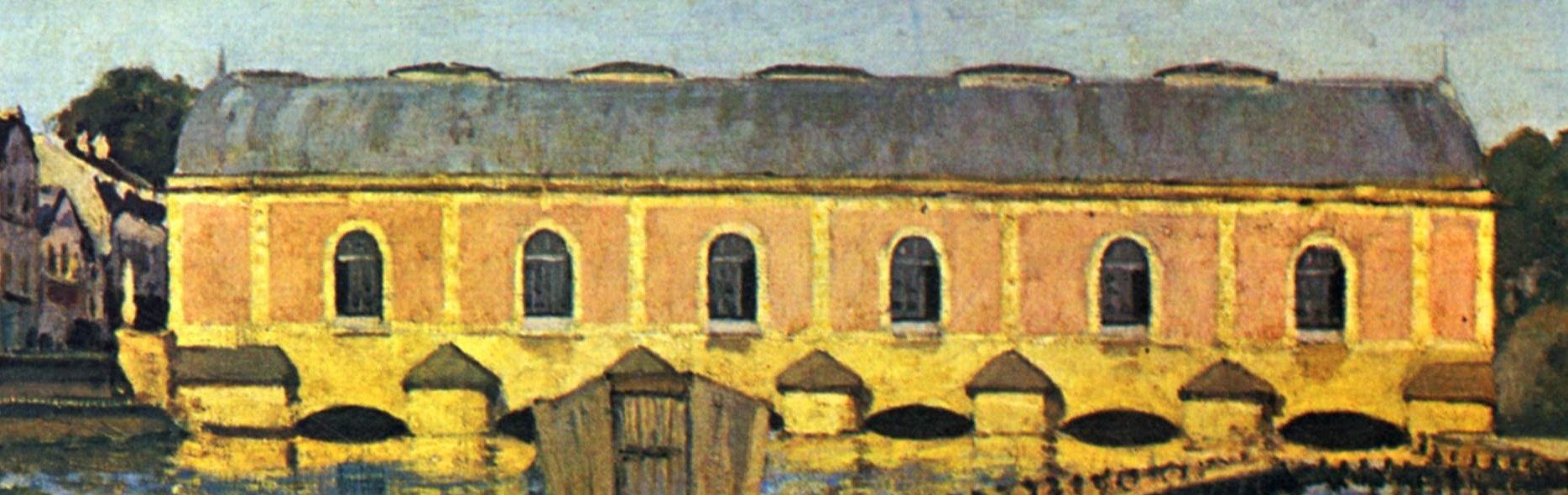
Look closely at the long yellow building with its distinctive arched openings. These arches were central to its function, drawing water from the river to supply the extravagant fountains of the Palace of Versailles, a feat of engineering for its time.
Built in 1684 for King Louis XIV, the 'Sun King,' this machine was a technological marvel, ensuring Versailles's water features could operate. By the time Sisley painted it, the Machine de Marly had been a significant landmark for nearly 200 years, a testament to enduring human ingenuity in a natural setting.
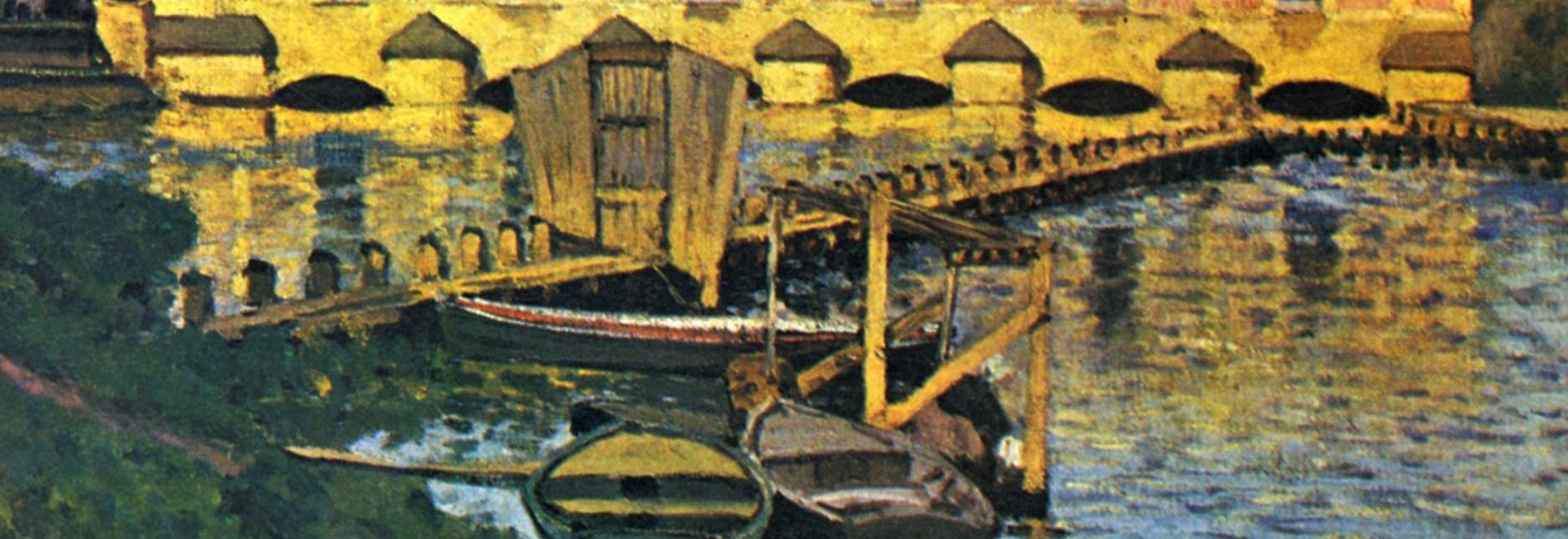
Sisley, an Impressionist, captured the structure's imposing form and its reflections in the water, highlighting how human industry shaped the landscape. What do you think of this blend of nature and engineering?
Details

Transcript
This industrial building looks a bit out of place. It's the Machine de Marly, a massive hydraulic pump station. Built in 1684, it lifted water from the Seine to Versailles. Its arches fed water to power the Sun King's famous fountains. By 1873, when painted, it was still a critical marvel. The painter focused on its stark presence in the landscape.