Study for "Portrait of an Indian" by Anne-Louis Girodet
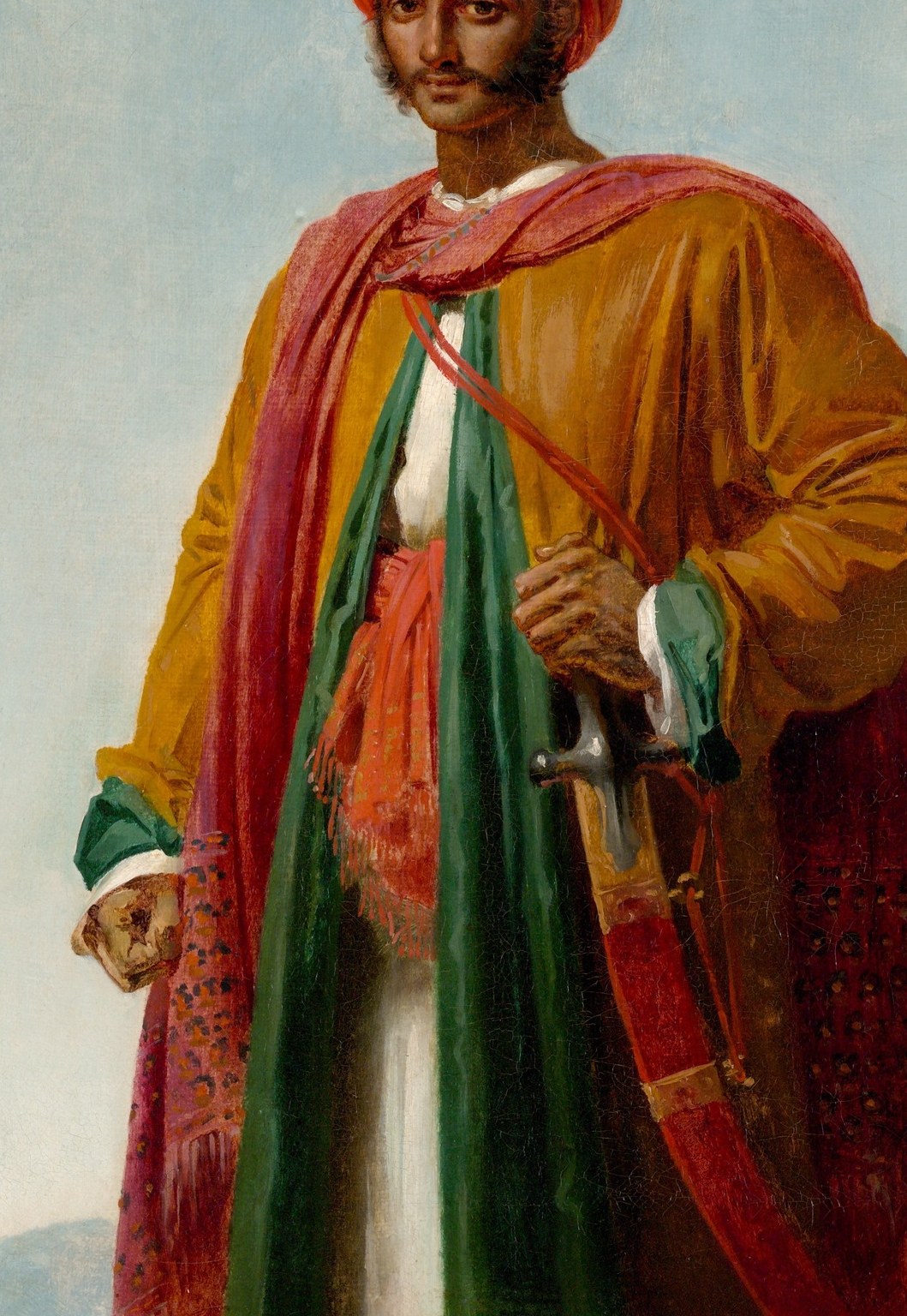
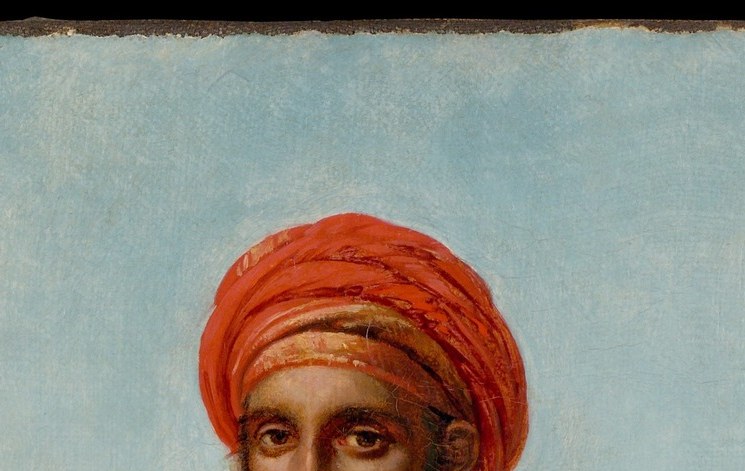
This is Anne-Louis Girodet's 1807 study for a portrait of an Indian warrior, now held privately. Girodet was the star pupil of Jacques-Louis David, the painter of the French Revolution, and he was expected to follow a strict Neoclassical path. Instead, he put his academic precision to work on a subject driven by the age's fascination with the wider world.
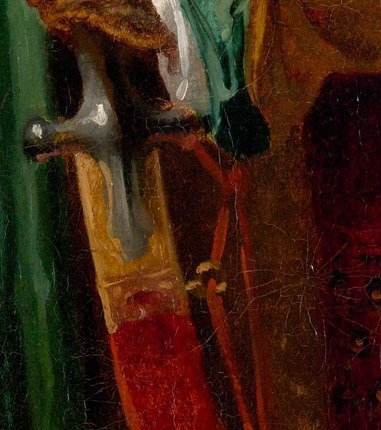
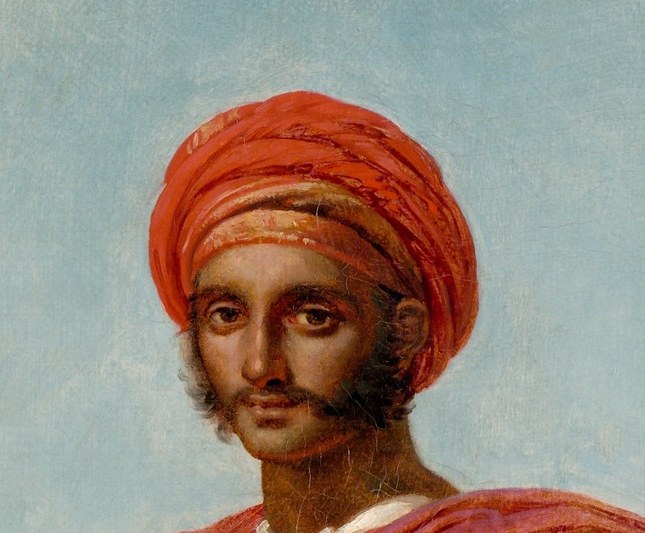
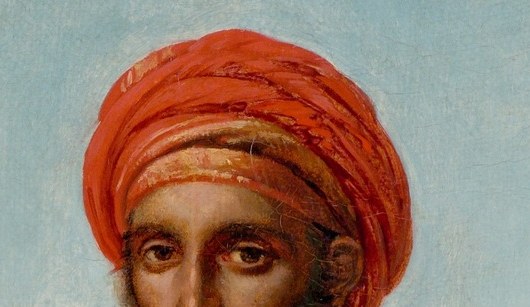
Look first at the man's face and his hand on the sword. The red turban and gold brocade are a riot of exotic color and texture, a technical showpiece. But the real power is in the direct, level gaze and the firm, commanding grip. This is not the passive, downcast figure typical of Orientalist fantasy. Girodet has found an individual with undeniable agency.
The portrait was painted at the height of Napoleon’s power, when European encounters with the East were charged with imperial ambition. A sword signaled martial nobility that a French audience would have understood. The painting resists being merely a costume study. The warrior’s bearing complicates the whole frame.
What we're left with is a study, perhaps, not just of fabric and light, but of a confrontation between a painter's training and the reality of the person who stood before him. What do you see in his expression?
Details
Transcript
Paris, 1807. Napoleon's empire stretched across Europe. Girodet was a student of David, the great Neoclassicist. But this was not a Greek hero. It was an Indian warrior. Look at the way he holds the sword. A grip of command, not a prop for a costume. And then look at his face. His expression is direct and level. He looks back at you. This was only a study. But it captured a human being, not a type.