The Happy Family by Fragonard, Jean Honoré
Jean Honoré Fragonard, famous for his grand Rococo works, took a different turn around 1775 with "The Happy Family." This oil on canvas, now in a private collection, offers a rare glimpse into the intimate, everyday lives of an ordinary family, a departure from the aristocratic scenes he was known for.
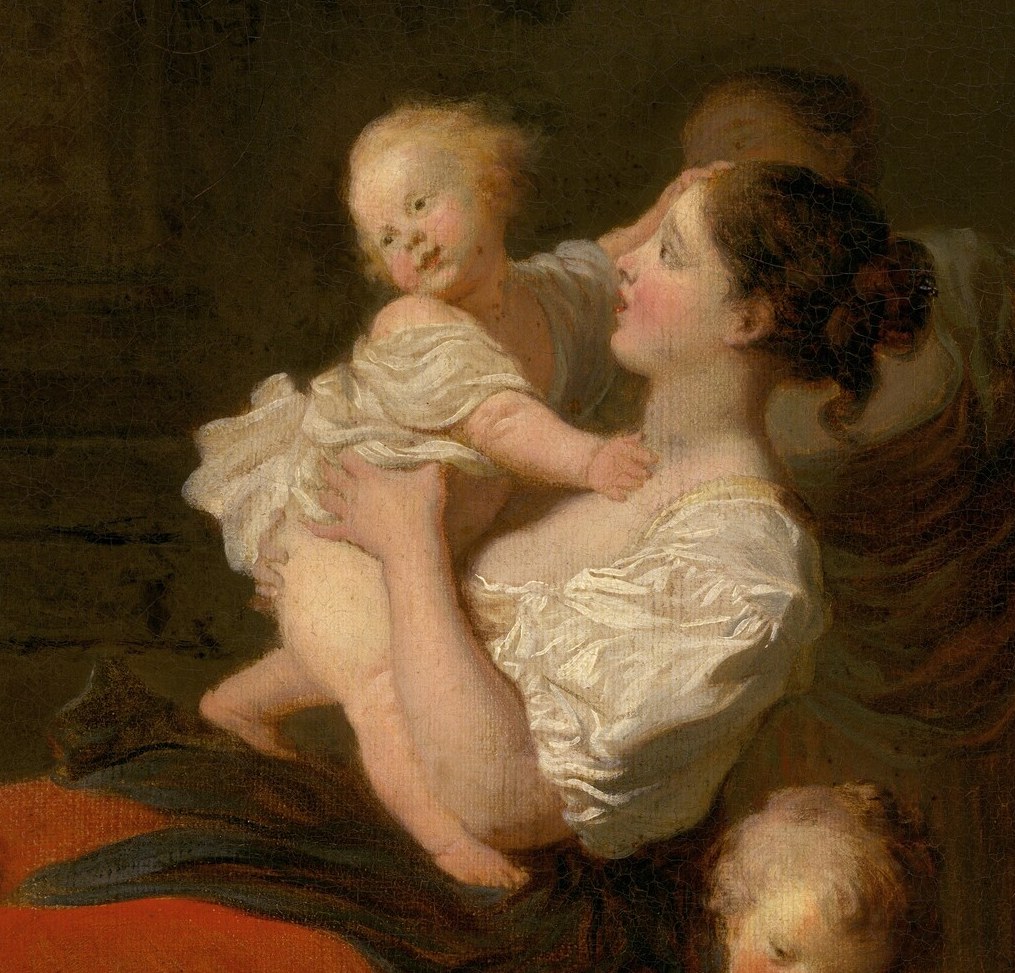
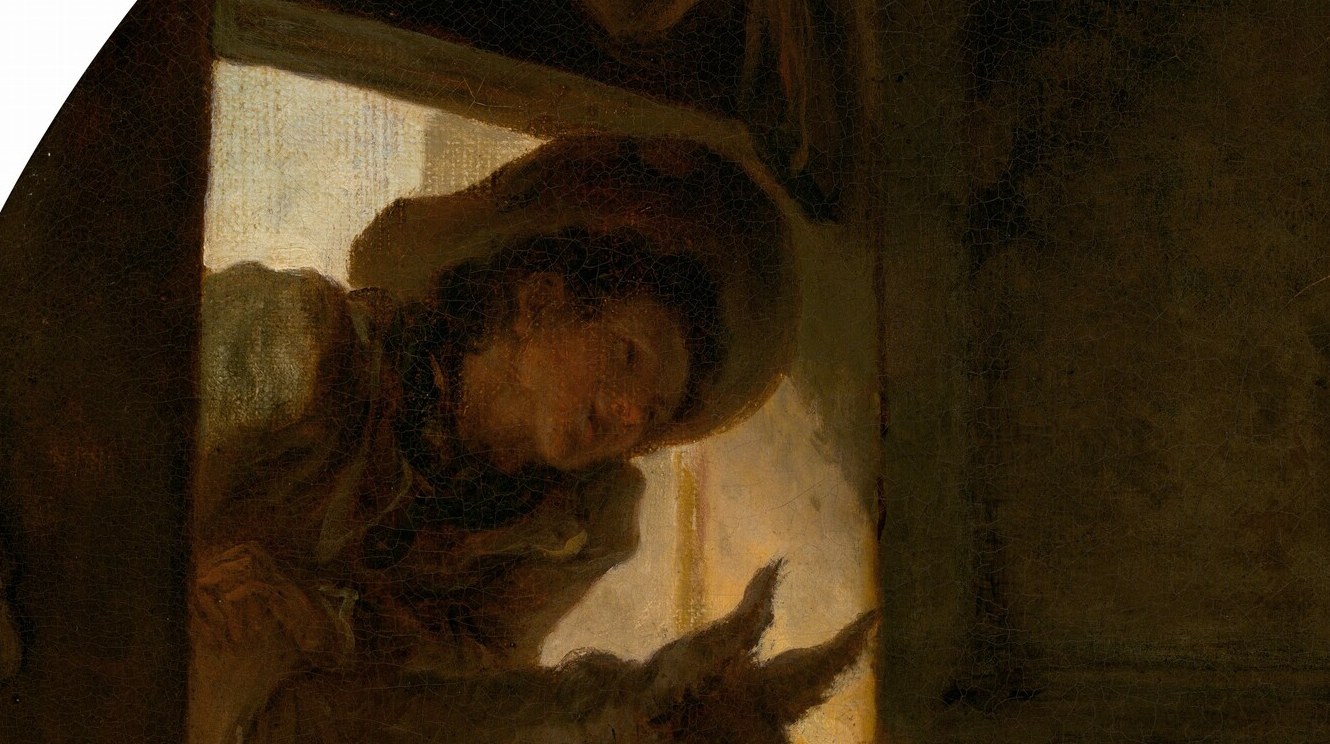
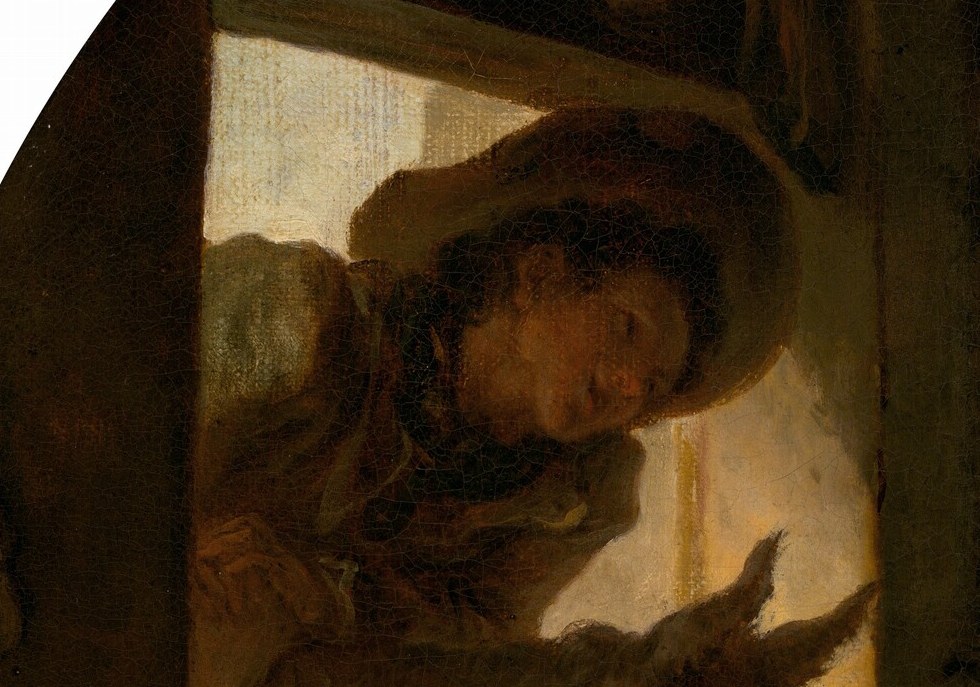
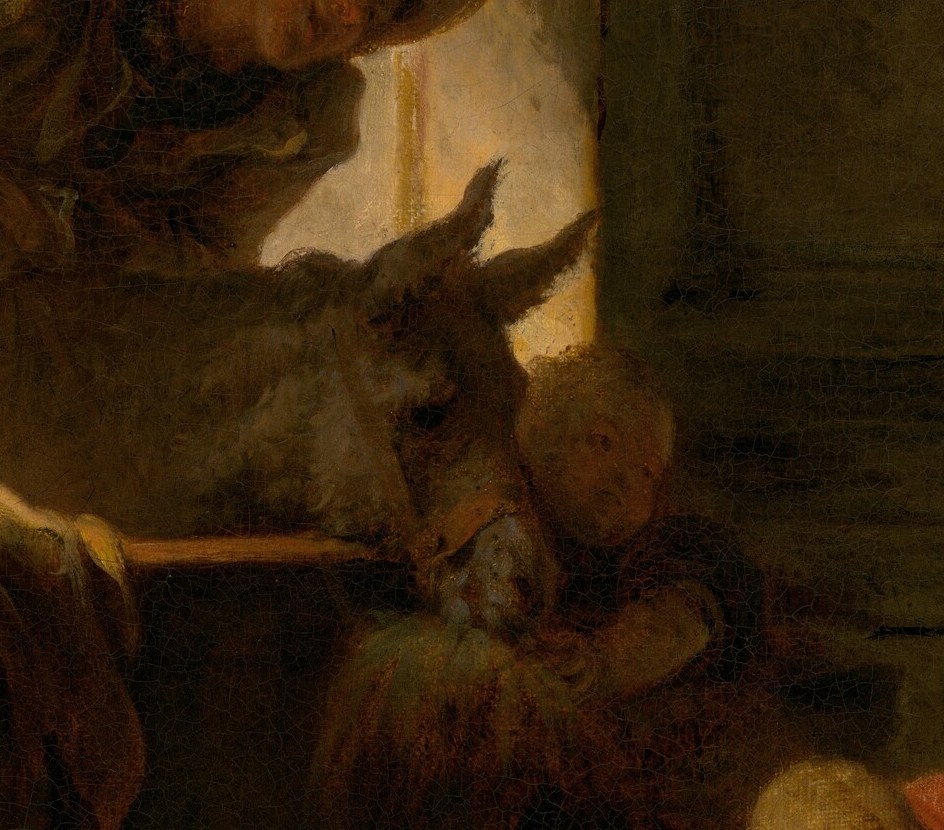
Look closely at how the soft light from the window highlights the mother cradling her infant, while an older child plays with a dog. The father figure watches over them, creating a sense of quiet protection and domestic harmony. Even the inclusion of a humble donkey grounds the scene in simple reality, emphasizing a universal theme of familial affection.
Created in the late 18th century, this painting reflects a broader shift in artistic interest towards more sentimental and private narratives, moving away from overtly opulent or romantic subjects. It shows Fragonard's versatility and his ability to capture genuine human connection in a tranquil setting.
What details in this scene resonate most with you?
Details
Transcript
This painting, from around 1775, shows a quiet family scene. Fragonard often painted grand, aristocratic subjects. But here, he shows a more humble, everyday domesticity. The light from the window illuminates the tender embrace. A father figure watches, adding a protective presence. Even the stable donkey is part of this happy family.