Portrait of a woman by Willem Cornelisz Duyster
Willem Cornelisz Duyster, known for his lively guardroom scenes, painted this serene Portrait of a Woman in 1629. It is part of the collection at the Rijksmuseum.
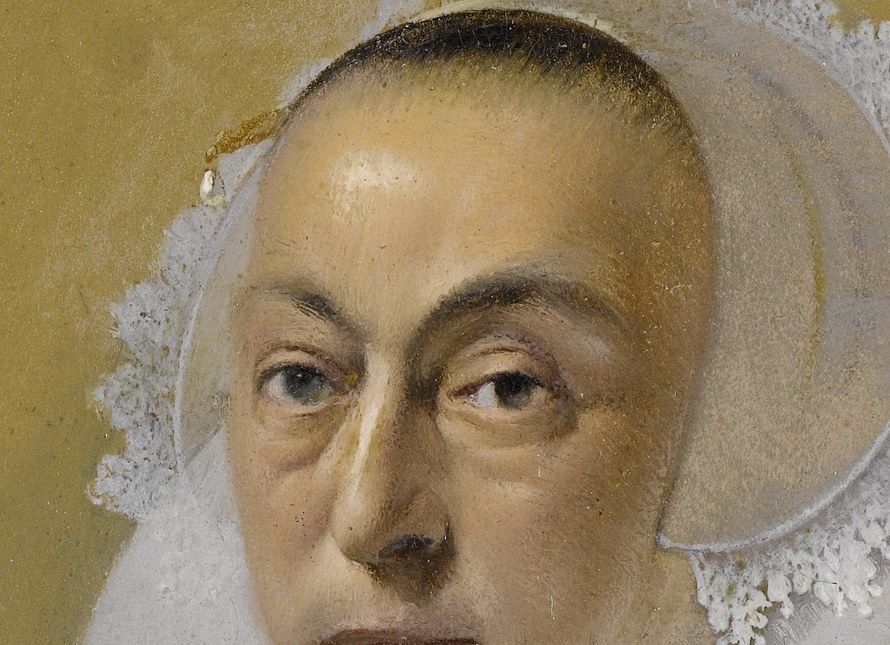
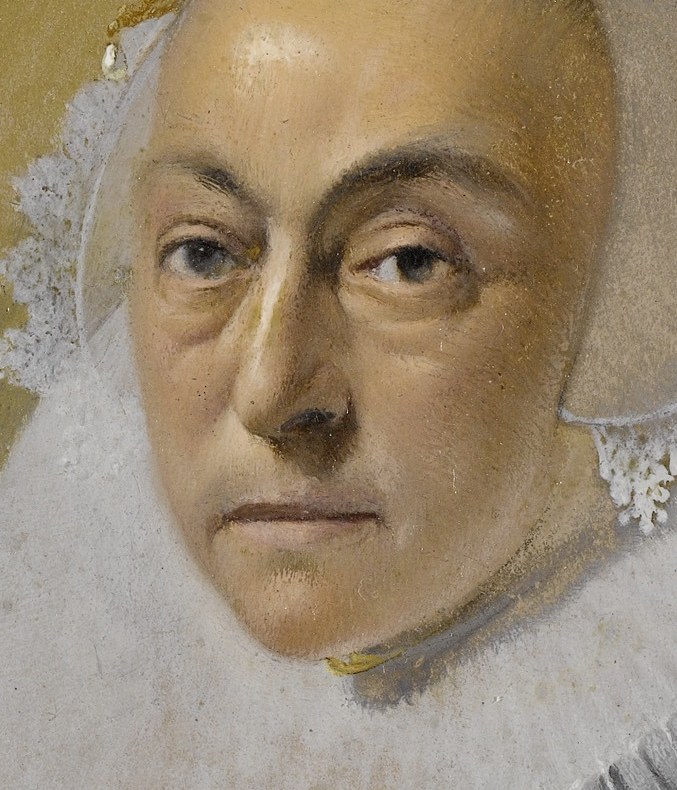
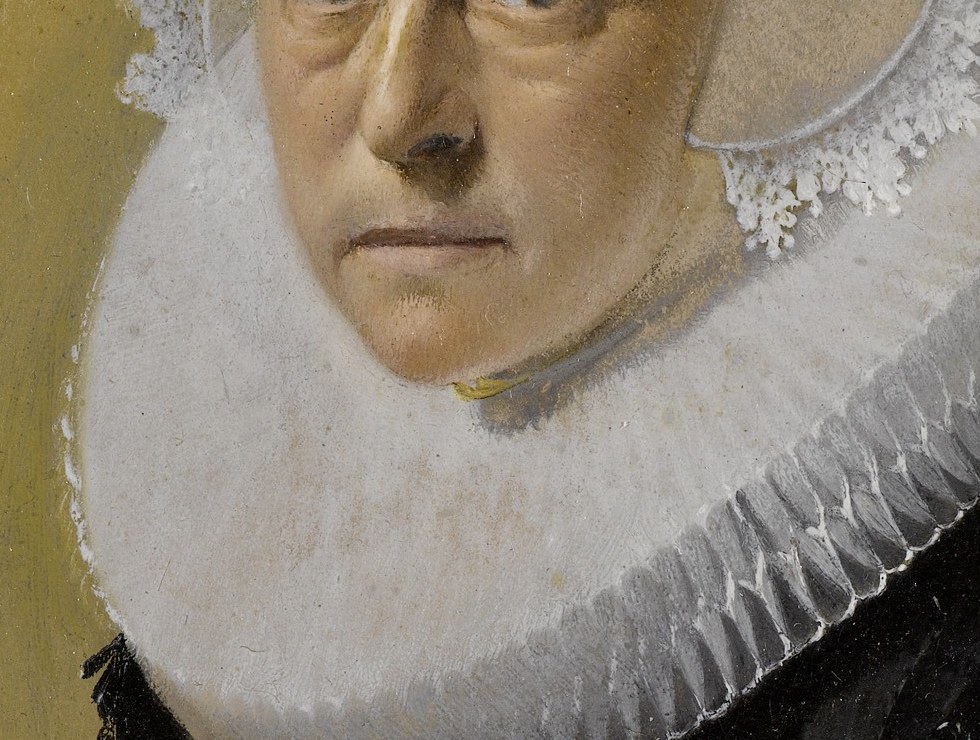
Observe her refined attire, from the delicate lace of her diadem cap to the imposing millstone collar. These details speak to her social standing and the fashion of the era. Look closely at the folded paper in her hands; it suggests either literacy, a valuable skill at the time, or a personal document of significance to her identity.
Duyster's choice of copper as a medium allowed for the fine details seen in the lace and the smooth modeling of her features. This work offers a rare glimpse into his portraiture skills, distinct from his usual military subjects.
What story do you think that folded paper holds?
Details
Transcript
This Dutch Golden Age portrait shows a woman of standing. Her delicate cap and starched collar signify status. She wears a modest gold ring, suggesting marital status. Her hands gently hold a folded sheet of paper. This paper hints at literacy or a personal, important document. The artist, Duyster, usually painted military life, not portraits.