The Meadows by William Langson Lathrop
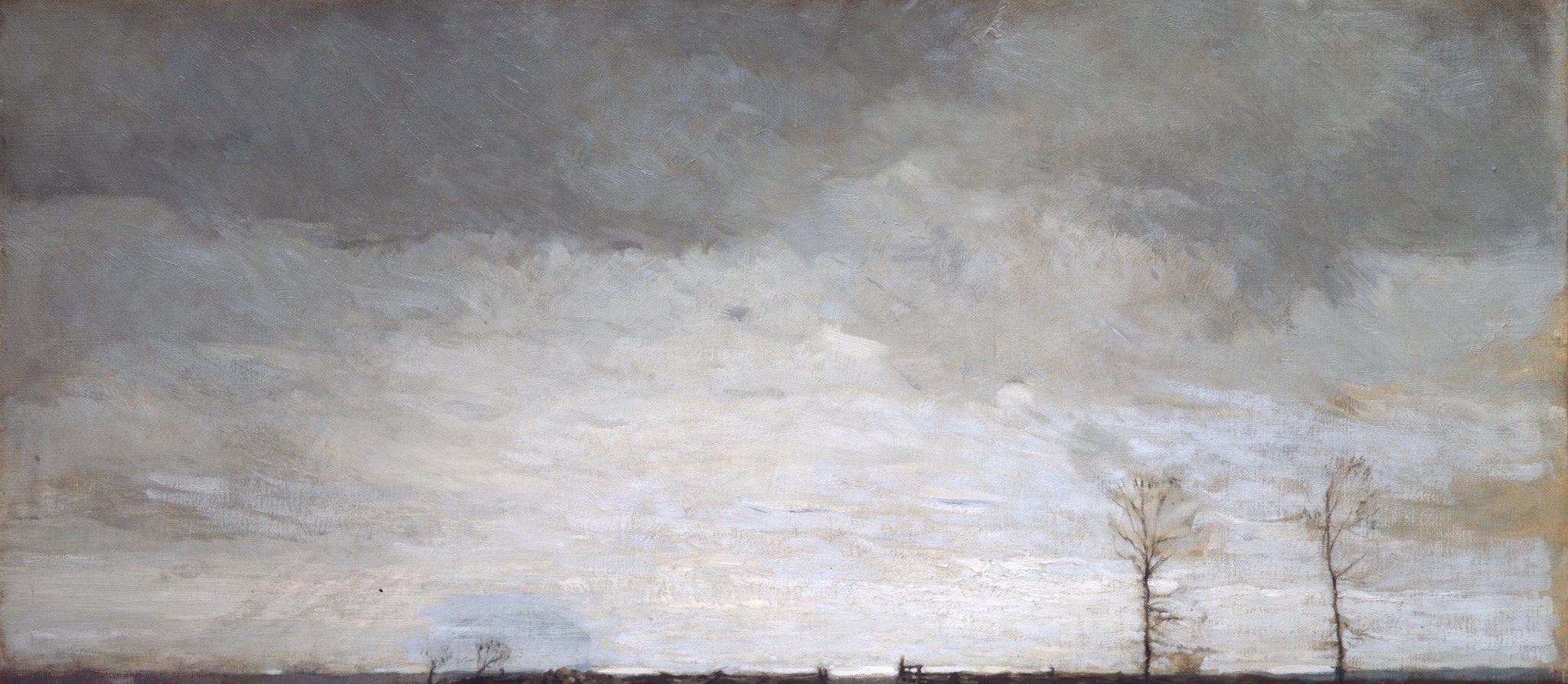
William Langson Lathrop's The Meadows, painted in 1899 and now at The Metropolitan Museum of Art, captures a serene rural scene.
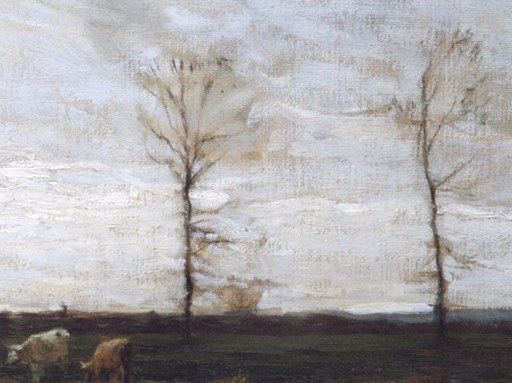
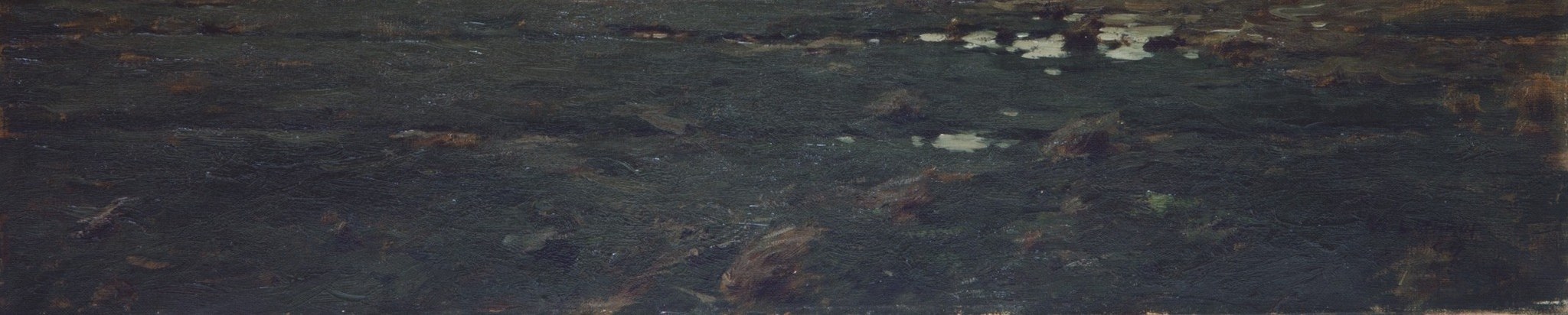
The painting invites viewers to explore its quiet landscape, characterized by a broad expanse of green fields and silhouetted bare trees against a muted sky. Notice the textured foreground grass and the subtle reflections in patches of water.
Lathrop was a pivotal figure in the New Hope art colony and a leading proponent of Pennsylvania Impressionism. He was also a member of the National Academy of Design. This work exemplifies his focus on capturing atmospheric effects through visible brushwork and a harmonious palette.
The Meadows offers a moment of contemplation, a testament to Lathrop's skill in rendering the subtle beauty of the natural world.
Details

Transcript
This wide field looks calm and quiet. Bare trees suggest the end of winter. Look at the dark, textured foreground grass. Water reflects the muted, overcast sky. This painter founded the New Hope art colony. He used oil paint in 1899. A faint structure sits on the horizon.