Portrait of a Man in a Turban by Petrus Christus
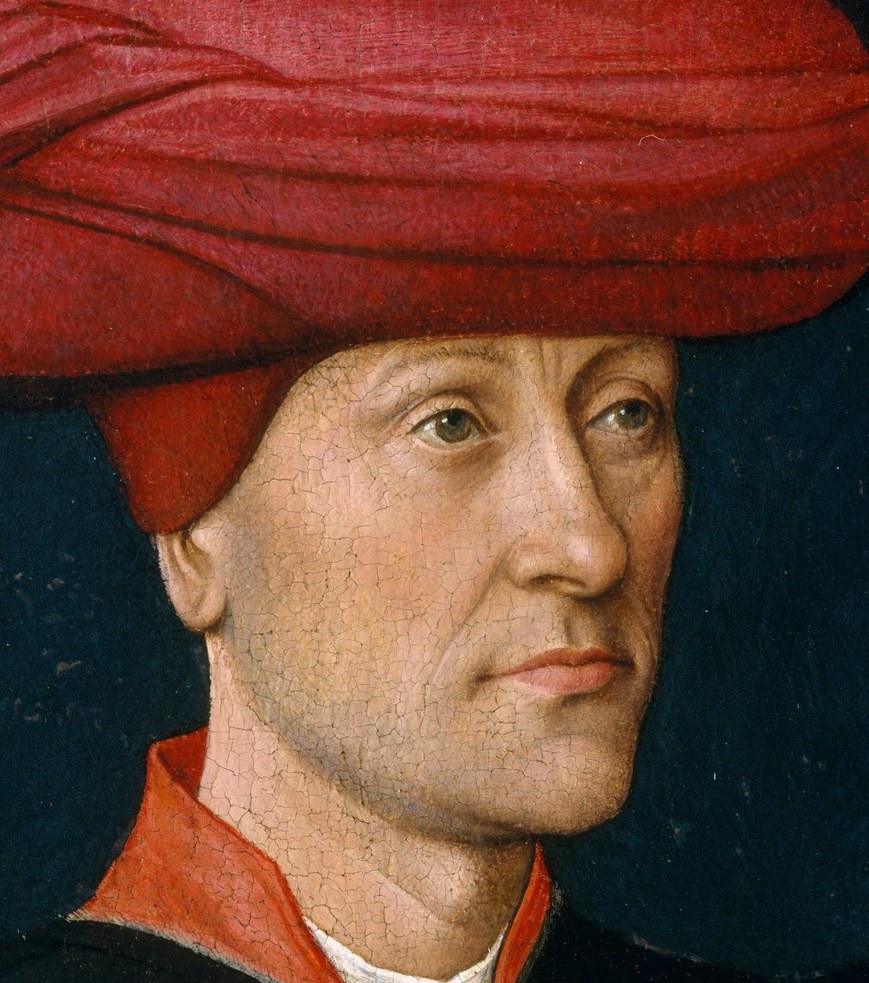
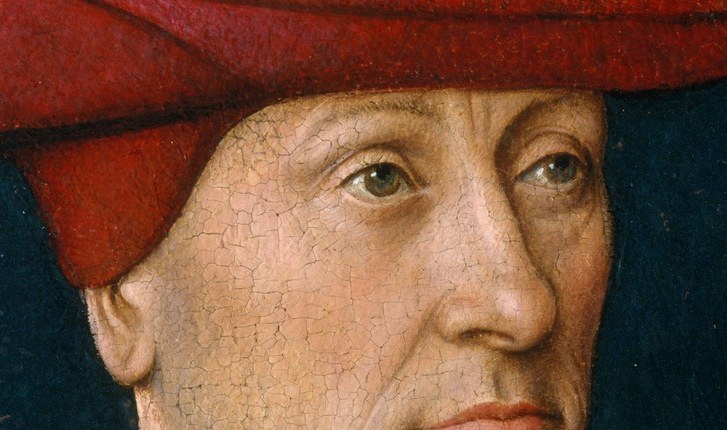
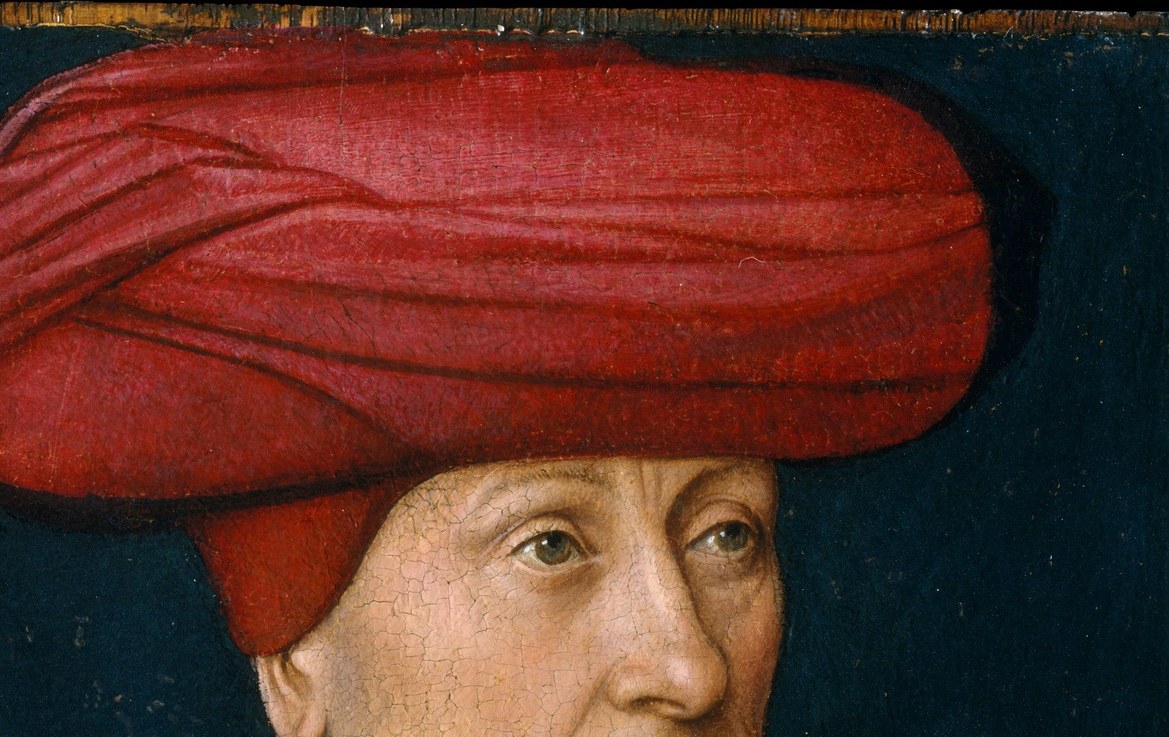
This is Petrus Christus's 'Portrait of a Man in a Turban,' painted in 1460. It lives at The Metropolitan Museum of Art and is one of roughly thirty surviving works by the artist. For centuries the sitter was a complete mystery. He has no name, no recorded biography. We know him only by what Christus chose to paint.
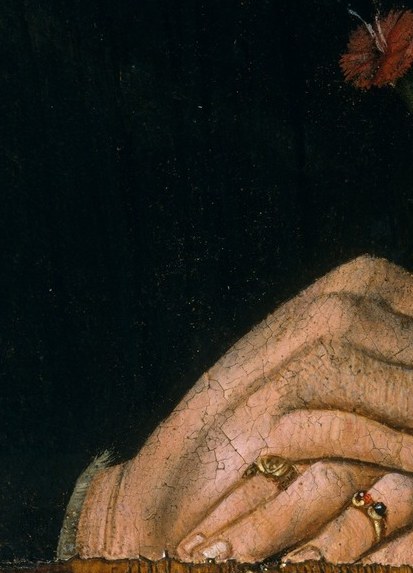
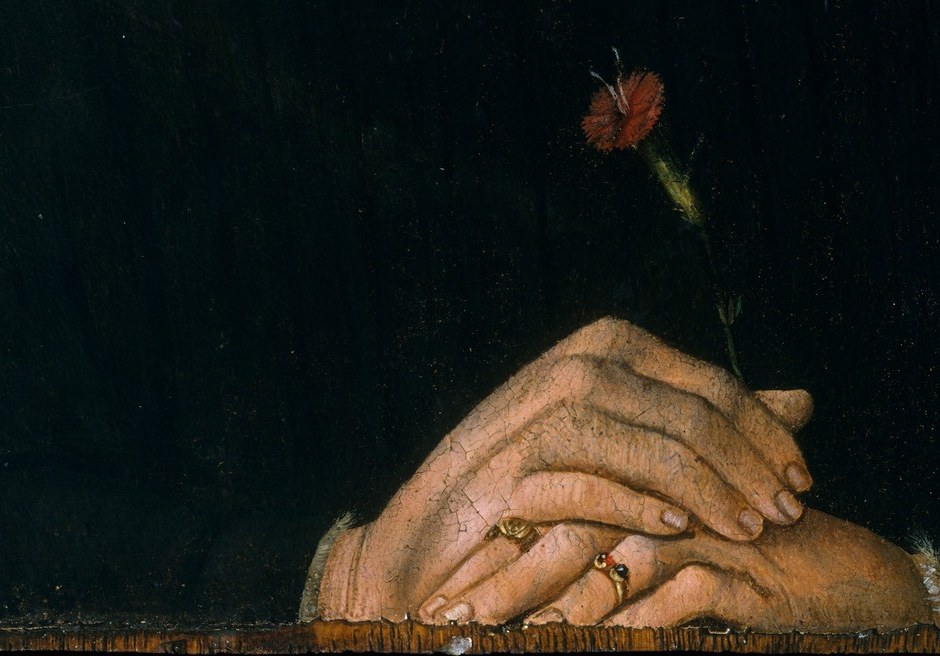
Look at his left hand. He is holding a single pink carnation, the standard Flemish symbol of betrothal. This small detail recasts the whole painting: it is likely a marriage portrait made to seal a union between families. The jewel at his collar and the expensive red turban confirm his social standing. And his eyes meet yours with the calm of a man who has signed his name to something permanent.
Christus became the leading painter in Bruges after Jan van Eyck's death, yet his reputation vanished for nearly four hundred years. Giorgio Vasari barely mentions him. It was not until the nineteenth century that art historians began to reassemble his body of work. This portrait, one of his finest, sat unattributed and uncelebrated through generations.
The man in the turban had a name, a bride, a house, a life in fifteenth-century Bruges. We know the exact hour Christus fixed him in oil, but not a single day that came before or after. What do you think happened to him?
Details
Transcript
For over 500 years, no one knew who this man was. He wears a red turban and a jewelled collar pin. Between his fingers: a pink carnation, the betrothal flower. This is likely a marriage portrait. A contract in paint. Christus painted him in 1460. And then the record goes silent.